Where to Buy Land in Florida for Growth?
Florida’s land market grows steadily, driven by retirees and remote workers. Coastal and urban prices rise; inland areas offer affordable options with climate risk and accessibility considerations.
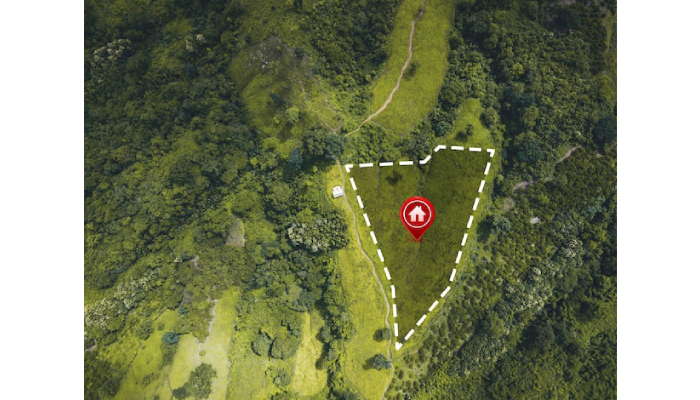
Florida’s land market is seeing steady growth thanks to its expanding population, fueled by retirees, remote workers, and newcomers. Prices are rising most on the coast and in urban centers, but inland counties like Clay, Marion, and Washington offer more affordable options with room to grow. Buyers these days are careful about climate risks such as hurricanes and sea-level rise, often choosing higher ground or places with resilient infrastructure. Accessibility to highways and airports adds value too. Fast-growing cities like Ocala and Panama City are attracting attention for their job markets and amenities. Overall, balancing affordability with location and future development plans is key for good investment choices through 2025.
Florida Land Market Overview for Growth
Buy land in Florida market is shaped by strong population growth fueled by people moving in from other states, retirees seeking milder climates, and an increasing number of remote workers looking for affordable living options. The state’s tax benefits, notably the absence of state income tax, continue to attract both investors and residents. Land prices have generally risen, especially near coastal cities and well-connected urban centers, but many inland counties remain affordable while offering solid growth potential. Climate concerns, including hurricanes and rising sea levels, are pushing buyers to prioritize land situated on higher ground with resilient infrastructure. Technological advances and online real estate platforms have made it easier for buyers to research listings and compare options across Florida’s diverse geography, which includes coastal zones, forests, agricultural land, and recreational areas. Infrastructure improvements like highway expansions and new commercial developments are boosting land values in key regions. The market presents a balance between high-priced coastal properties and more affordable inland parcels, allowing investors to weigh costs against growth prospects. Population shifts toward metro areas and fast-growing counties drive demand, while environmental regulations and zoning laws add layers of complexity to land use and investment decisions.

Factors to Weigh When Buying Land in Florida
When buying land in Florida, it’s important to consider several key factors that affect value and growth potential. Land prices vary widely across the state, with inland counties generally offering more affordable options compared to coastal areas where prices tend to be higher. Accessibility plays a big role; proximity to major highways like I-10, I-75, and I-95, as well as airports and rail lines, can boost land value and make development easier. Counties experiencing job growth and population increases usually see faster land appreciation, so looking at local economic trends is essential.
Climate and geography also matter. Areas with lower hurricane risk and favorable topography are preferred for safety and long-term stability. Recreational amenities nearby, such as parks, lakes, and beaches, enhance land appeal and can attract buyers or tenants. Infrastructure improvements like highway expansions or utility upgrades often drive demand and can increase prices, so keeping an eye on planned projects helps identify promising locations.
Buyers should define their investment horizon, typically focusing on land expected to appreciate within three to five years, aligning with local development plans. Understanding the intended use of the land, whether for residential, commercial, agricultural, or recreational purposes, helps narrow down the right areas and price ranges. It’s also critical to research flood zones, environmental protections, and zoning regulations to avoid surprises that could limit future use.
Finally, proximity to utilities such as water, sewer, and electricity is a major factor in development feasibility and land value. Without easy access to these services, costs can rise significantly and slow down projects. Combining these considerations will help buyers make informed decisions and select land in Florida that balances affordability, growth prospects, and practical development needs.
- Land prices vary significantly across the state, with inland counties generally offering lower prices per acre compared to coastal regions.
- Accessibility to major highways like I-10, I-75, and I-95, as well as airports and rail lines, increases land value and development potential.
- Counties with growing job markets and rising populations tend to see faster land appreciation.
- Climate factors influence buying decisions; areas with lower hurricane risk and favorable topography are preferred.
- Nearby recreational amenities such as parks, lakes, and beaches enhance the attractiveness of land parcels.
- Infrastructure projects like highway expansions and utility upgrades can drive demand and price increases in certain areas.
- Buyers should consider their investment horizon, focusing on land expected to appreciate within 3 to 5 years aligned with local development plans.
- Evaluating the intended land use, whether residential, commercial, agricultural, or recreational, helps clarify the best locations and price ranges.
- Understanding flood zones, environmental protections, and zoning restrictions is critical to avoid future limitations.
- Proximity to utilities (water, sewer, electricity) is essential for development feasibility and impacts land value.
Affordable and Growing Florida Counties to Watch
Several Florida counties stand out for offering affordable land with promising growth potential, making them worth watching for investors and buyers. Clay County, just south of Jacksonville, benefits from easy access to major highways I-10 and I-95, plus freight rail connections. It features abundant parks and nature preserves, appealing to those interested in recreational land or residential development near urban centers. With a median land price around $16,500 per acre (2022), Clay remains relatively affordable given its proximity to a growing metro area.
Washington County in the Florida Panhandle offers some of the most budget-friendly land in the state, with median prices near $5,400 per acre. Known for timberlands and farmland, it provides solid opportunities for agricultural investments or rural retreats. The county’s steady appreciation and access to I-10 and regional airports add to its attractiveness for long-term growth.
Central Florida’s Marion County, located along I-75 near The Villages retirement community, combines affordability (median price about $10,300 per acre) with economic drivers like tourism and a strong local housing market. Its natural lakes and forests support recreational and residential uses, making it a versatile choice for diverse buyers.
Baker County, located close to Jacksonville and the Georgia border, offers large parcels of land at a median price of roughly $6,700 per acre. Low property taxes and recent commercial seaport developments add to its growth prospects. Outdoor enthusiasts also find appeal here with ample space for hunting, fishing, and other activities.
Down south, Hendry County near Fort Myers and the Everglades features some of the lowest land prices (around $5,100 per acre) with strong agricultural roots and expanding solar farm projects. Conservation areas and increasing housing demand suggest the county is on the path to steady development.
Each of these counties provides a unique mix of land types, from agricultural to recreational, aligned with different buyer goals. Their locations offer access to major highways and infrastructure improvements that support economic growth and housing demand, both key factors for future land value increases. By understanding local market trends and county-specific opportunities, buyers can find affordable land positioned for growth in Florida’s evolving landscape.
Fastest-Growing Cities for Land Investment in Florida
Florida’s fastest-growing cities offer promising opportunities for land investors looking to capitalize on population influx and expanding infrastructure. Ocala leads the pack as the fastest-growing metro area in the U.S., with a 4% population increase from 2023 to 2024. Its appeal to retirees and first-time homebuyers, combined with equestrian estates and natural surroundings, supports steady demand for land. Panama City has seen over 14% growth since 2020, driven by its Gulf Coast location and significant post-hurricane revitalization efforts, making it attractive for both residential and commercial land investments.
The Miami-Fort Lauderdale-West Palm Beach tri-county area added more than 123,000 residents between 2023 and 2024. This region features a diverse housing market, from luxury condos to mid-range properties, underpinned by strong job markets and lifestyle amenities. Orlando-Kissimmee-Sanford also posted impressive growth, gaining over 76,000 residents in 2024 with a rate above the state average. This growth is fueled by job creation, tourism, and ongoing infrastructure projects that increase land value.
Lakeland-Winter Haven experienced 12.1% population growth between 2020 and 2023. It offers affordable housing options and benefits from its strategic location between Tampa and Orlando, appealing to buyers seeking balance between cost and accessibility. These cities share common growth drivers such as new employment opportunities, improved transportation networks, and enhanced lifestyle amenities, which together boost land demand.
Investors should carefully assess local economic factors and planned developments in these markets to time land purchases effectively. While rapid growth often leads to rising land prices, the potential for significant appreciation is strong. Balancing current costs with growth prospects is key to maximizing returns in these dynamic Florida cities.
2025 Florida Land Market Trends and Price Highlights
As of early 2025, the average lot price across Florida stands around $48,379, reflecting a diverse market with clear divides between coastal and inland properties. Waterfront lots in Palm Coast are among the priciest, often exceeding $220,000 due to limited supply and their luxury appeal. Port Saint Lucie benefits from strong population growth and infrastructure improvements like the Crosstown Parkway, pushing average lot prices to about $144,000. In Cape Coral, especially south of Pine Island Road, fully serviced lots with good amenities average near $90,833, appealing to buyers seeking ready-to-build parcels. Palm Bay’s lots with water and sewer access average around $80,000, supported by growth in tech jobs and easy highway access. More affordable options appear in places like Spring Hill, Hernando County, where lots average $73,333 and attract retirees and first-time buyers looking for an accessible price point. On the lower end, Poinciana in Osceola County offers lots as low as $9,287 but faces infrastructure delays that investors should consider. Similarly priced markets such as Defuniak Springs, Port LaBelle, and Banyan Village, with lot prices between $10,000 and $15,000, suggest slower growth or possible oversupply. Overall, market trends highlight a split between high-demand coastal and metro areas with premium pricing, and inland locations offering affordability but with varying infrastructure quality. Investors and buyers need to balance price points against the strength of local infrastructure and growth prospects to make informed land purchases in Florida for 2025.
Advantages of Buying Land in Florida for Growth
Investing in land in Florida offers several advantages driven by the state’s ongoing population growth, which is fueled by migration and increasing housing needs. This steady influx of residents creates demand that supports land value appreciation, especially in counties and metro areas experiencing rapid development. Florida’s tax environment also enhances investment returns, with no state income tax and comparatively low property taxes, making holding land more cost-effective than in many other states. Buyers can choose from a variety of land types including coastal properties, inland parcels, agricultural tracts, and recreational land, allowing investors to align purchases with their interests and goals. The mild climate is another benefit, permitting year-round construction and outdoor activities, which increases the usability and development potential of land throughout the year. Infrastructure improvements such as road expansions, new utility services, and better connectivity further boost land accessibility and long-term value. Economic growth in sectors like technology, aerospace, tourism, and agriculture supports sustained demand for land, contributing to steady appreciation, especially in growing counties and metro areas. Environmental concerns have shifted buyer preferences toward higher ground and properties with resilient infrastructure, reducing risks related to hurricanes and flooding. Land ownership also provides flexibility, allowing investors to develop, hold, or resell based on market trends and personal strategy. Together, these factors, tax benefits, geographic diversity, economic strength, and infrastructure investments, make Florida land a compelling choice for a range of investor profiles looking for growth opportunities.
Important Buyer Considerations for Florida Land Purchases
When buying land in Florida, understanding flood zones and environmental risks is essential, especially for coastal and low-lying areas vulnerable to hurricanes and rising sea levels. Buyers should also check the availability and proximity of utilities like water, sewer, and electricity, since these factors greatly affect development potential and costs. Clarifying your intended use, whether recreational, residential, commercial, or agricultural, helps narrow down suitable locations and zoning requirements. Local zoning laws and restrictions vary widely, so verifying them upfront can prevent costly issues later. Closing costs typically add 3% to 5% to the purchase price, so include these in your budget. Out-of-state and foreign buyers can invest in Florida land but should understand financing options and any legal regulations that apply. Due diligence is crucial: conduct title searches, environmental assessments, and confirm legal access to the property. Reviewing local infrastructure projects and community growth forecasts can reveal areas with strong appreciation potential. Finally, consider your investment horizon and resale prospects to align the purchase with your financial goals. Working with local real estate professionals can provide valuable insights into market trends and regulatory details, making the process smoother and more informed.

James Scott was born in Missouri and studied at the University of Central Missouri. Currently working as Manager at ActoutLoud, James Scott helps readers learn the fields of Law, Marketing, Construction, Education, Health, etc hone their skills, and find their unique voice so they can stand out from the crowd.
How to Cite This Article
James Scott. "Where to Buy Land in Florida for Growth?." Act Out Loud, July 2, 2025. https://actoutloud.org/where-to-buy-land-in-florida-for-growth/