Safe Room Doors: Types, Features, Benefits, and Buying Guide
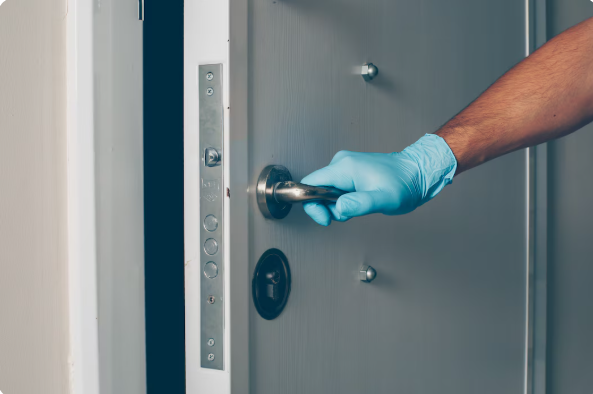
Safe room doors are specially designed entry systems used to provide an additional layer of protection for a secure room within a home, business, or other building. Unlike standard interior doors, safe room doors are typically built with stronger materials, reinforced frames, secure locking systems, and other protective features.
A safe room can serve different purposes depending on the property and the owner’s needs. Some are designed primarily for severe weather protection, while others may provide additional security during emergencies. Choosing the right door is therefore an important part of creating a reliable safe room.
What Is a Safe Room Door?
A safe room door is a reinforced door designed for use with a dedicated secure space. Its construction can be significantly stronger than a conventional residential or commercial door.
Depending on its intended application, a safe room door may include:
- Reinforced steel construction
- Heavy-duty hinges
- Reinforced door frames
- Multi-point locking mechanisms
- Impact-resistant components
- Strong anchoring systems
- Fire-rated construction in certain applications
- Weather-resistant materials
- Specialized hardware
The door should be considered as part of the entire safe room system. A strong door alone cannot compensate for weak walls, ceilings, hinges, frames, or anchoring.
Why Are Safe Room Doors Important?
The door is often one of the most vulnerable points in a room’s protective envelope. A properly designed safe room door can help strengthen this entry point.
Depending on its design and intended use, a safe room door may provide protection against:
- Severe weather
- Flying debris
- Forced entry
- Impact
- Unauthorized access
- Certain emergency situations
The appropriate level of protection depends on the purpose of the room and the standards or building requirements applicable to the project.
Types of Safe Room Doors
Different applications require different door designs.
Steel Safe Room Doors
Steel is commonly used because it offers strength and durability. Steel doors can be manufactured with reinforced cores, heavy-duty frames, and specialized locking systems.
They may be suitable for residential or commercial secure rooms depending on their construction and certification.
Storm and Tornado Safe Room Doors
Doors designed for storm shelters and tornado safe rooms are intended to withstand extreme wind pressures and impacts when properly installed as part of a compliant shelter.
For severe-weather applications, homeowners should look for doors tested and certified for the specific protection level required rather than relying solely on the door’s material or thickness.
Security Safe Room Doors
Security-focused safe rooms may use reinforced doors with heavy-duty locking hardware and strengthened frames.
These doors are intended to create a more secure barrier against unauthorized entry.
Fire-Rated Safe Room Doors
Some secure rooms may require fire-rated doors. A fire-rated door is tested and rated for its ability to resist fire for a specified period under defined testing conditions.
The required rating depends on the building design and applicable code requirements.
Residential Safe Room Doors
Residential safe room doors can be designed to blend with the home’s interior while incorporating reinforced construction.
Homeowners may choose finishes and hardware that match surrounding doors while maintaining the desired level of security.
Important Features of Safe Room Doors
When evaluating a safe room door, consider the entire door assembly rather than focusing on a single feature.
Reinforced Door Construction
A reinforced door can provide greater resistance to impact and physical stress than a standard interior door.
The exact construction should correspond to the intended use and required performance level.
Strong Door Frame
A reinforced door is only as effective as the frame supporting it. The frame should be appropriately anchored to the surrounding structure.
Heavy-Duty Hinges
Strong hinges help support the weight of reinforced doors and contribute to the overall durability of the assembly.
Multi-Point Locking
Some safe room doors use multiple locking points along the door rather than relying on a single latch.
This can help distribute force across the door and frame.
Secure Hardware
Locks, handles, hinges, and other hardware should be selected to match the door’s intended application.
Proper Anchoring
Installation is critical. Even a heavily reinforced door can perform poorly if the frame and surrounding structure are not properly secured.
Safe Room Door Certifications and Testing
For specialized applications, certifications and testing can be more meaningful than marketing descriptions such as “heavy duty” or “high security.”
For tornado and severe-weather shelters, products may be evaluated against standards and testing requirements established for storm shelter doors.
When selecting a door, look for documentation covering:
- Testing standards
- Certification
- Wind-pressure performance
- Impact resistance
- Fire rating, if applicable
- Installation requirements
- Approved hardware
- Maximum dimensions
- Required anchoring
Always verify that the specific door assembly—not just the material—is tested for the protection level you need.
Safe Room Door Installation
Proper installation is essential to the performance of a safe room door.
Important considerations include:
Frame Installation
The frame must be securely connected to the surrounding wall structure.
Hardware Installation
Locks and hinges need to be installed according to the manufacturer’s specifications.
Structural Compatibility
The wall, ceiling, floor, and surrounding structure should be capable of supporting the door assembly and resisting the forces for which the safe room is designed.
Correct Clearances
The door should open, close, and latch correctly without excessive gaps or interference.
Professional Installation
For high-security or storm-protection applications, professional installation can help ensure that the complete assembly meets applicable requirements.
Safe Room Doors vs. Standard Doors
A standard interior door is generally designed for privacy and everyday use rather than extreme protective performance.
A safe room door may differ through:
- Stronger construction
- Reinforced frames
- Heavier hardware
- More secure locking systems
- Specialized testing
- Increased impact resistance
- Higher structural requirements
However, not every reinforced door provides the same level of protection. Buyers should match the door’s tested performance to the intended application.
Where Are Safe Room Doors Used?
Safe room doors can be incorporated into several types of spaces, including:
- Residential safe rooms
- Storm shelters
- Tornado shelters
- Security rooms
- Commercial secure areas
- Emergency facilities
- High-security rooms
- Certain institutional buildings
The design requirements can vary significantly between applications.
How to Choose a Safe Room Door
Start by identifying why the safe room is being built.
Determine the Main Purpose
Is the room intended primarily for:
- Severe weather?
- Security?
- Emergency protection?
- Fire resistance?
- Multiple hazards?
The answer will determine which door characteristics matter most.
Check Applicable Standards
For specialized protective applications, research the relevant standards and local building requirements before purchasing a door.
Evaluate the Complete Assembly
Consider the:
- Door
- Frame
- Hinges
- Locks
- Anchors
- Surrounding walls
- Ceiling
- Floor
All components should work together as part of one protective system.
Consider Installation Requirements
Some certified doors have very specific installation requirements. Make sure the intended location can accommodate those requirements.
Review Maintenance Needs
Heavy-duty hardware should be inspected periodically to ensure that locks, hinges, seals, and other components continue to function properly.
Safe Room Door Maintenance
Regular maintenance can help keep the door operational when it is needed.
Check periodically for:
- Loose hinges
- Damaged locks
- Frame movement
- Corrosion
- Worn seals
- Door alignment
- Hardware damage
- Difficulty closing or latching
Do not modify a certified door assembly without confirming that the change will not compromise its tested performance.
Common Mistakes When Choosing Safe Room Doors
Choosing Based Only on Door Thickness
A thicker door is not automatically a better safe room door. The frame, locking system, hinges, anchoring, and testing all matter.
Ignoring the Frame
A strong door attached to a weak frame may not provide the expected level of protection.
Installing Unapproved Hardware
Replacing certified components with unrelated hardware can potentially affect the performance of a tested assembly.
Focusing Only on Security
A door designed for forced-entry resistance may not provide the same protection required for tornado or hurricane conditions.
Poor Installation
Incorrect anchoring or installation can significantly reduce the effectiveness of a protective door.
Frequently Asked Questions About Safe Room Doors
1. What is a safe room door?
A safe room door is a reinforced door designed to provide enhanced protection for a designated secure room.
2. Are safe room doors stronger than regular doors?
Generally, safe room doors are designed with stronger construction and hardware than standard interior doors, but the level of protection varies by product and application.
3. What material is best for a safe room door?
Steel is commonly used for reinforced applications, but the best material depends on the intended purpose and required performance standard.
4. Are safe room doors suitable for tornado shelters?
Certain doors are specifically tested and certified for storm shelter applications. A standard reinforced security door should not automatically be assumed to provide tornado protection.
5. Do safe room doors need special frames?
Yes. The frame and its connection to the surrounding structure are critical parts of the complete door assembly.
6. Can a safe room door have a regular lock?
Some applications may use specialized locking systems rather than ordinary residential locks. The hardware should be appropriate for the door’s intended use.
7. Can safe room doors be installed in existing homes?
In many cases, a safe room can be incorporated into an existing building, but the door, frame, and surrounding structure must be properly evaluated.
8. How important is professional installation?
Installation is extremely important for specialized safe room doors because incorrect anchoring or hardware installation can reduce performance.
9. Are all reinforced doors considered safe room doors?
No. A reinforced door is not necessarily tested or certified for safe room applications.
10. How often should a safe room door be inspected?
Regular inspections are recommended, particularly for locks, hinges, alignment, seals, and visible damage. Follow the manufacturer’s maintenance recommendations.
11. Can a safe room door also provide fire protection?
Some doors are specifically tested and rated for fire resistance. A security or storm door should not automatically be considered fire-rated.
12. What should I look for when buying a safe room door?
Consider the intended hazard, testing and certification, door and frame construction, locking system, installation requirements, applicable standards, and compatibility with the complete safe room structure.
Conclusion
Safe room doors are an important component of a protective room, but the door should never be evaluated separately from the surrounding structure. The frame, hinges, locks, anchoring, walls, ceiling, and installation all contribute to the overall performance of the safe room.
Whether the goal is severe-weather protection, improved security, or another emergency application, choose a door that has been appropriately tested for its intended purpose. Paying attention to certification, installation requirements, structural compatibility, and ongoing maintenance can help ensure that the safe room is designed as a complete protective system rather than simply a room with a stronger door.

James Scott was born in Missouri and studied at the University of Central Missouri. Currently working as Manager at ActoutLoud, James Scott helps readers learn the fields of Law, Marketing, Construction, Education, Health, etc hone their skills, and find their unique voice so they can stand out from the crowd.
Frequently Asked Questions
What features should I look for in a safe room door to ensure it's secure and durable?
Why is proper installation of a safe room door so important?
Are all steel doors suitable for storm or tornado safe rooms?
How do safety and security features differ between standard interior doors and safe room doors?
What certification or testing should I look for when selecting a safe room door?
How to Cite This Article
James Scott. "Safe Room Doors: Types, Features, Benefits, and Buying Guide." Act Out Loud, August 19, 2026. https://actoutloud.org/safe-room-doors-types-features-benefits-and-buying-guide/