How To Reduce Costs With A Wastewater Dredge?
Last Updated:
Managing wastewater is a critical responsibility for municipalities, industries, and wastewater treatment plants. Over time, solids and sludge accumulate in lagoons, ponds, or tanks, decreasing capacity and efficiency. Left unchecked, this buildup leads to higher operating costs, compliance issues, and even system failures. One effective and cost-efficient solution is the use of a wastewater dredge.
A wastewater dredge is a specialized machine designed to remove accumulated sludge, silt, and other solids from wastewater lagoons and treatment ponds. By investing in dredging equipment, facilities can significantly cut down on recurring costs and improve long-term operations.
This article explores how a wastewater dredge can help reduce costs, the benefits of dredging over traditional methods, and best practices for maximizing efficiency.
Understanding Wastewater Dredging
Wastewater dredging refers to the mechanical removal of solids and sludge from the bottom of lagoons, basins, and tanks. Unlike complete lagoon cleanouts that often require draining, drying, and excavation, dredging is performed in situ (without draining the water).
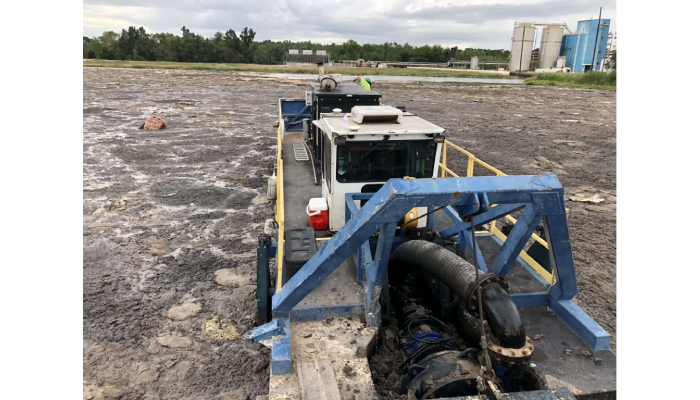
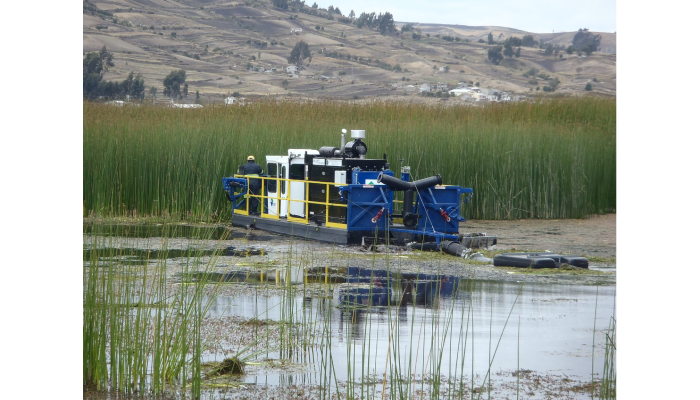
A wastewater dredge works by pumping the slurry (a mixture of sludge and water) from the lagoon bottom through a pipeline to dewatering equipment or a disposal area. Modern dredges are automated, remote-controlled, and designed for minimal disruption to plant operations.
The Cost Challenges of Untreated Sludge
Before understanding the savings potential, it’s important to know where the costs come from when sludge is not managed efficiently:
- Reduced Lagoon Capacity – Solids buildup decreases water-holding capacity, leading to overflow risks and costly expansions.
- Higher Treatment Costs – Thick sludge reduces aeration efficiency, requiring more energy to maintain water quality.
- Environmental Fines – Exceeding discharge limits can result in regulatory penalties.
- Frequent Cleanouts – Traditional excavation-based cleanouts are expensive, time-consuming, and require plant downtime.
- Odor Control Expenses – Excess sludge increases odor issues, which demand costly chemical treatments.
A wastewater dredge addresses these problems by providing a proactive, efficient, and continuous sludge management solution.
How a Wastewater Dredge Reduces Costs?
1. Minimizes Downtime and Disruptions
Traditional lagoon cleaning methods require draining the lagoon, drying the sludge, and excavating it manually or with heavy machinery. This process can shut down operations for weeks, causing revenue loss.
A wastewater dredge, however, operates while the lagoon remains full, eliminating downtime. Continuous operation saves both time and money.
2. Reduces Sludge Hauling and Disposal Costs
Sludge hauling and landfill disposal are major expenses. A dredge can pump sludge directly to a dewatering system (geotextile tubes, centrifuges, or belt presses), significantly reducing the water content before hauling. Less water means less volume to transport, directly lowering hauling costs.
3. Extends the Life of Wastewater Lagoons
Constructing a new lagoon or expanding existing ones involves massive capital costs. Regular dredging prevents excessive buildup, maintaining lagoon depth and extending its usable lifespan. For municipalities or industries with limited budgets, this alone results in substantial long-term savings.
4. Improves Energy Efficiency
Sludge accumulation forces aerators and mixers to work harder to maintain water quality. By removing solids, dredging improves oxygen transfer efficiency and reduces power consumption. Over time, energy savings significantly offset dredging investments.
5. Avoids Regulatory Fines
Environmental compliance is a non-negotiable expense for wastewater facilities. By keeping sludge levels under control, a wastewater dredge ensures that discharge water meets regulatory standards, avoiding costly fines and potential legal action.
6. Reduces Labor Costs
Manual cleanouts and excavation demand large labor teams and heavy equipment. Automated wastewater dredges, especially remote-controlled or operator-assisted models, reduce the need for large crews. One operator can often manage the entire dredging process.
7. Provides Continuous Sludge Management
Instead of waiting until lagoons are nearly full of sludge, facilities can use dredges on a regular schedule. Continuous or seasonal dredging prevents major buildup, spreading costs more evenly and reducing the need for emergency interventions.
Additional Benefits Beyond Cost Savings
While cost reduction is the primary motivator, dredging also delivers other operational benefits:
- Improved Water Quality – Reduces suspended solids and improves treatment performance.
- Better Odor Control – Removing sludge decreases foul-smelling gases.
- Safety Improvements – Eliminates the need for workers to enter hazardous lagoons.
- Environmental Stewardship – Sustainable sludge management protects surrounding ecosystems.
Choosing the Right Wastewater Dredge
Not all dredges are the same. Facilities must choose equipment suited to their lagoon size, sludge type, and operational goals. Key considerations include:
- Automation Level – Remote-controlled dredges reduce labor needs.
- Pump Capacity – Determines how much sludge can be removed per hour.
- Mobility – Some dredges are portable and easy to move between lagoons.
- Compatibility – Ensure it integrates with existing dewatering equipment.
- Maintenance Costs – Choose durable models with low upkeep needs.
Investing in the right dredge model maximizes savings and operational efficiency.
Best Practices for Maximizing Cost Savings
- Implement a Regular Dredging Schedule – Prevent excessive buildup instead of waiting for emergencies.
- Pair with Dewatering Equipment – Always dewater sludge before hauling to cut disposal costs.
- Monitor Sludge Depths – Use sonar or sludge blankets to track accumulation and schedule dredging.
- Train Operators – Skilled operators improve efficiency and reduce fuel/maintenance costs.
- Calculate ROI – Compare dredging costs with avoided hauling, fines, and construction expenses to justify investment.
Real-World Example of Cost Savings
Consider a municipal wastewater lagoon with 6 feet of accumulated sludge. Without dredging, the city would face:
- Excavation costs of $1 million+ for lagoon expansion
- Sludge hauling of over 10,000 tons
- Plant downtime for weeks
By using a wastewater dredge with geotextile dewatering bags, the city reduces disposal volume by 70%, avoids expansion, and keeps the plant online. The total project costs less than half of the traditional method, with savings in the hundreds of thousands.
Conclusion
Wastewater sludge management is an unavoidable expense, but how facilities manage it determines whether costs spiral out of control or stay manageable. A wastewater dredge is not just a sludge removal tool—it’s a cost-saving investment that ensures compliance, improves efficiency, and extends infrastructure life.
By minimizing downtime, reducing hauling expenses, and improving treatment performance, dredging allows municipalities and industries to save money while meeting environmental responsibilities. With the right dredging system and best practices, wastewater treatment can become both cost-effective and sustainable.

James Scott was born in Missouri and studied at the University of Central Missouri. Currently working as Manager at ActoutLoud, James Scott helps readers learn the fields of Law, Marketing, Construction, Education, Health, etc hone their skills, and find their unique voice so they can stand out from the crowd.
How to Cite This Article
James Scott. "How To Reduce Costs With A Wastewater Dredge?." Act Out Loud, July 1, 2025. https://actoutloud.org/how-to-reduce-costs-with-a-wastewater-dredge/