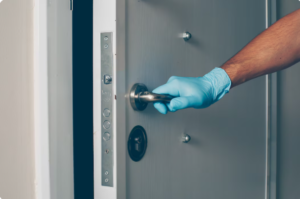
Why Every Home Needs A Residential Safe Room Today?
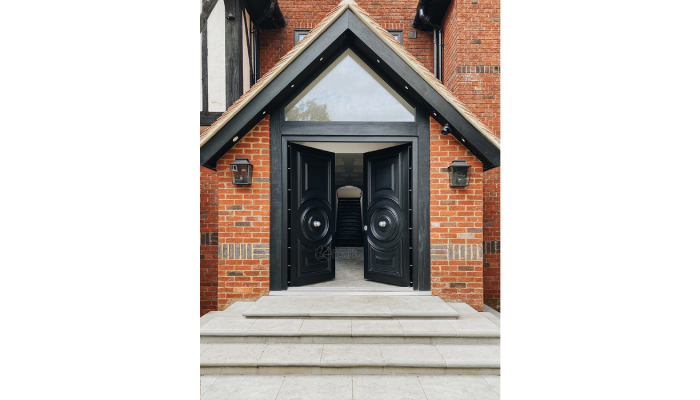
When it comes to home safety, many people think of alarms and surveillance cameras. But what about a space designed specifically for protection? Enter residential safe rooms—fortified sanctuaries that serve as your personal refuge during emergencies. As the world around us becomes increasingly unpredictable, having a designated safe area in your home is more important than ever. Whether you’re facing natural disasters or potential intrusions, a well-planned safe room can provide peace of mind for you and your loved ones. Let’s explore why every household should consider adding this crucial feature to their property!
Importance of having a safe room in the home
A residential safe rooms serves as a vital sanctuary in today’s unpredictable world. It provides peace of mind, knowing there is a designated space for protection during emergencies.
Natural disasters like tornadoes and hurricanes can strike with little warning. A safe room offers security against such threats, keeping your loved ones out of harm’s way.
Moreover, home invasions are an unfortunate reality for many families. Having a secure area to retreat to can be life-saving when danger arises.
Psychologically, the presence of a safe room alleviates anxiety about potential threats. It fosters confidence that you’re taking proactive steps to safeguard your family.
Beyond physical safety, these rooms often serve as emergency command centers equipped with essentials like first aid supplies and communication tools. This dual functionality maximizes their value within the household ecosystem.
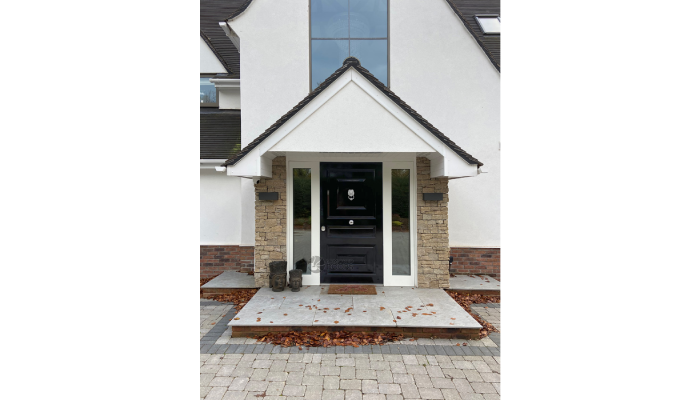
Types of safe rooms available for homes
Residential safe rooms come in various forms, each designed to meet specific needs and situations. One popular option is the tornado shelter, built to withstand extreme weather conditions. These are often reinforced with concrete and located underground for maximum protection.
Another type includes panic rooms, which are secure spaces that provide safety from intruders. They typically have reinforced doors and communication systems to ensure occupants can call for help if needed.
Some homeowners opt for dedicated security rooms equipped with surveillance cameras and alarms. These proactive measures enhance overall home security while offering a designated space during emergencies.
For those interested in more versatile solutions, modular safe rooms offer flexibility. They can be customized based on size and location preferences within the house.
Each type of residential safe room serves its purpose, ensuring peace of mind no matter the threat level faced by families today.
Features and components of a well-equipped safe room
A well-equipped safe room is designed to provide safety and comfort during emergencies. It should have a sturdy, reinforced door that locks securely from the inside.
Ventilation is crucial. Install an air filtration system to ensure fresh air flows in while keeping harmful elements out. Consider soundproofing materials to muffle external noises.
Essential supplies are key components as well. Stock non-perishable food, water, a first aid kit, flashlights, and batteries for unforeseen circumstances.
Communication tools like two-way radios or charged mobile devices can keep you connected with the outside world when needed.
Lighting is vital too; LED lights offer longevity and efficiency during power outages. Consider adding seating or sleeping arrangements for prolonged stays if necessary—comfort matters even in tense situations.
How to choose the right location for a safe room in your home?
Choosing the right location for a safe room is crucial. Consider areas away from windows and exterior walls. The goal is to create a fortified space that minimizes risks during an emergency.
Basements often make ideal choices due to their natural protection against severe weather. However, ensure they are easily accessible and dry to avoid mold growth.
If a basement isn’t available, look for interior rooms on the ground floor, such as closets or utility spaces. These can be easily reinforced while remaining hidden from view.
Accessibility is key; family members should reach the room quickly in emergencies. Ensure there’s enough space for everyone who might seek refuge.
Also consider proximity to essential supplies like food, water, and first aid kits. This will enhance safety during extended periods of sheltering in place without compromising comfort or security.
Benefits of having a residential safe room
A residential safe room offers peace of mind. Knowing there’s a secure place for your family during emergencies can alleviate stress.
These rooms provide protection against various threats, from natural disasters to home invasions. They serve as a fortress when external dangers arise.
Moreover, having a designated area for safety enhances preparedness. Family members can practice emergency plans and feel more confident in times of crisis.
Safe rooms also increase property value. Homebuyers often seek added security features, making it an appealing investment.
Beyond physical safety, these spaces offer emotional comfort. The assurance that you have a refuge helps families cope with uncertainty better than ever before.
Whether equipped with basic supplies or advanced technology, the benefits extend far beyond mere walls—it’s about safeguarding lives and nurturing resilience in the face of adversity.
Steps to take in case of an emergency requiring the use of a safe room
When an emergency strikes, quick action is crucial. First, stay calm and assess the situation. Determine if you need to use the safe room immediately.
Gather family members swiftly but avoid panic. Ensure everyone understands your plan so they can follow it seamlessly.
Once inside the safe room, secure all entry points. Lock doors and windows to prevent unauthorized access.
Keep communication devices handy. A charged phone or radio can be a lifeline during crises.
Turn off lights if necessary; this helps maintain a low profile in some situations. Stay quiet and listen for updates outside when it’s safe to do so.
Prepare for potential long waits by having essential supplies ready in advance: water, snacks, first aid kits, and flashlights are vital items that enhance safety while you wait for assistance or conditions to improve.
Conclusion
Residential safe rooms are increasingly becoming a crucial feature in today’s homes. With the rise of natural disasters, home invasions, and other emergency situations, having a dedicated space for safety is no longer just an option; it’s a necessity.
The importance of establishing these secure areas cannot be overstated. They serve as your personal refuge during crises, providing security and peace of mind for you and your loved ones. In many regions prone to hurricanes, tornadoes, or violent storms, a well-constructed safe room can literally save lives.
There are various types of residential safe rooms available on the market today. From simple reinforced closets to elaborate underground bunkers equipped with amenities like ventilation systems and communication devices—options abound depending on your needs and budget.
A well-equipped safe room should have some essential features. These include sturdy walls designed to resist impacts or intrusions, secure locking mechanisms that prevent unauthorized access, adequate supplies such as water and food rations for emergencies lasting several days, lighting options that function without electricity, first aid kits stocked with medical essentials—and possibly even means for communicating with the outside world.

James Scott was born in Missouri and studied at the University of Central Missouri. Currently working as Manager at ActoutLoud, James Scott helps readers learn the fields of Law, Marketing, Construction, Education, Health, etc hone their skills, and find their unique voice so they can stand out from the crowd.
How to Cite This Article
James Scott. "Why Every Home Needs A Residential Safe Room Today?." Act Out Loud, July 3, 2025. https://actoutloud.org/why-every-home-needs-a-residential-safe-room-today/