How to Avoid Scams When Buying California Land for Sale?
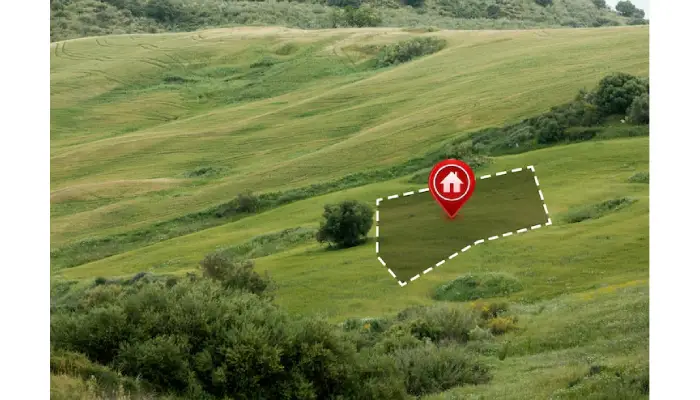
When buying California land, it’s crucial to avoid scams. Start by verifying the seller’s ownership through title deeds and public records. Always visit the property in person to confirm its existence and that it matches the listing details. Watch for red flags, such as vague information or properties listed under different names. Be suspicious of prices significantly lower than market value and high-pressure sales tactics, which often signal trouble. Communicate face-to-face when possible and always use trusted notaries for any transactions. Finally, consider hiring a real estate attorney for guidance, ensuring a safer buying experience while protecting your interests.
1. Verify Ownership of the Land
To ensure a safe purchase when buying land in California, the first step is to verify the ownership of the property. Always start by confirming the seller’s identity through public records and title deeds. Look for any existing liens, easements, or restrictions that may affect your ownership. It is wise to request a seller disclosure statement, which can provide insight into any potential issues with the land, like environmental concerns or zoning restrictions.
Check that the seller’s claims about the property are consistent with its history. For instance, if the seller states it has no liens, but public records show otherwise, that could be a red flag. Investigating the property’s tax history is also crucial; outstanding tax debts can lead to complications later.
Consult local property records for verification of ownership details. If the seller is hesitant to provide proof, such as the title deed or other documentation, consider it a warning sign. Pay attention to any discrepancies in the seller’s name, especially if it differs from what is found in public records. It is essential to ensure that the seller has the legal right to sell the property in question.
To further safeguard your investment, hiring a title company to conduct a thorough title search can offer additional assurance. They can help uncover any hidden issues that might not be immediately apparent, providing you peace of mind as you navigate the buying process.
2. Inspect the Property in Person
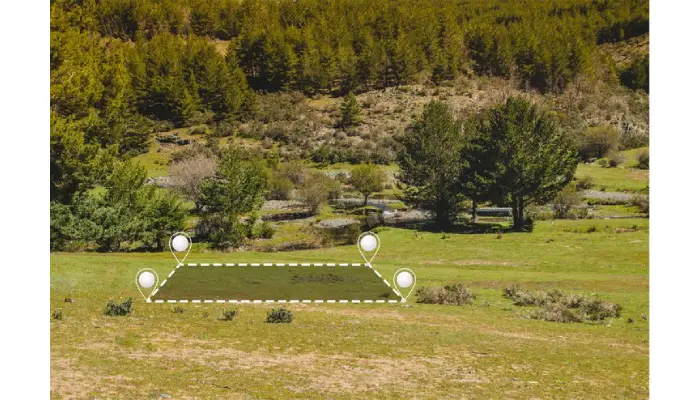
Before making any financial commitment, it’s crucial to visit the property in person. This visit allows you to confirm that the land exists and matches the listing description. Take detailed notes and photographs during your visit to document the property’s condition. Look for any signs of damage or disrepair that might not have been mentioned in the listing. It’s also wise to visit the property at different times of the day to assess the lighting and surroundings. This can give you a better feel for the area.
While you’re there, explore the neighborhood for amenities, safety, and overall atmosphere. Assess the access roads and check for utility availability, as these factors will affect how usable the land is for your plans. Look for zoning signs or notices that could affect your intended use of the property; these can be hidden or easily overlooked.
Consider bringing someone knowledgeable in real estate or construction along for a second opinion, as they might spot issues you miss. Make sure to verify property boundaries and dimensions on-site to avoid potential disputes later. Speaking with neighbors can provide valuable insights about the area and the property itself. Lastly, trust your instincts; if something feels off during your visit, take a step back and reassess.
3. Watch for Red Flags in Listings
When browsing listings for California land, it is crucial to identify potential red flags that could indicate a scam. Start by being skeptical of overly attractive photos, as these images may be edited or misleading. If a seller avoids answering specific questions about the property, consider this a warning sign. Additionally, properties priced significantly lower than comparable sales in the area should raise your eyebrows. Legitimate sellers typically price their lands competitively.
Be cautious if the seller seems to rush you through the process or discourages you from conducting due diligence. A reputable seller will encourage research and provide ample time to make decisions. Vague or incomplete property descriptions that lack necessary details can also indicate trouble. If you notice multiple listings of the same property under different seller names, this is a significant red flag.
Investigate the seller’s history as well; check for any disputes or complaints regarding past property sales. Listings that do not clearly identify the location or property details should be approached with caution. Furthermore, if a seller requests unconventional payment methods, such as cash or wire transfers without a formal agreement, this could signal a scam. Trust your gut feeling; if something feels off, it’s worth investigating further.
5. Avoid High-Pressure Sales Tactics
When considering the purchase of land in California, it’s crucial to be cautious of high-pressure sales tactics. Take your time to assess the property thoroughly, as hasty decisions can lead to regrettable outcomes. If a seller is making urgent claims about other buyers interested in the property, this should raise a red flag. Listen for phrases like ‘act now or lose out‘; these are often used to rush potential buyers into a quick commitment without proper consideration. If you feel rushed or unsure, don’t hesitate to request additional time to think over the offer. A trustworthy seller will respect your need to review documents and conduct research. Stay firm in your decision-making process, even if the seller pushes for a quick sale. Discuss the property with trusted friends or family before making a commitment, as their perspectives may help clarify your thoughts. Be particularly wary if the seller discourages you from seeking outside advice. Legitimate sellers want you to feel comfortable and confident in your purchase, so avoid signing contracts under time constraints or duress.
7. Identify Seller Communication Patterns
When considering a land purchase in California, pay close attention to how the seller communicates. If you notice long delays in their response times, this could be a warning sign. Scammers often take their time to reply, making it difficult for buyers to pin down details. Moreover, be alert for inconsistent information during conversations. If the seller changes their story or provides different details at various times, it might indicate a lack of honesty.
Face-to-face interaction is important; if a seller is reluctant to discuss the property in person or prefers only electronic communication, this can be a red flag. Genuine sellers usually welcome in-person meetings or at least video calls to build trust. Additionally, consider the professionalism of their communication style. Scammers often lack clear and respectful communication, so look for signs of professionalism and clarity.
Trust sellers who are open to answering questions thoroughly. If they seem evasive or are unwilling to provide detailed information about the property, this could suggest that something is off. Also, check if the seller uses a generic email address instead of a professional one; this can be another sign of a scammer trying to mask their identity. By being vigilant about these communication patterns, you can better protect yourself from potential scams.
8. Use Trusted Notaries for Transactions
When buying land in California, it’s crucial to use a reliable notary to help with your transaction. Start by researching notaries in your area, checking their credentials and reading reviews. Choose an independent notary, rather than one suggested by the seller, to avoid conflicts of interest. Ensure that the notary is licensed and has experience with real estate transactions, as this knowledge is essential for a smooth process. You can also consider using a title company that offers notary services, adding an extra layer of security.
Before the signing, verify the notary’s reputation with local authorities. It’s important that they are familiar with California property laws, so you can be sure all legal aspects are covered. Be cautious if the seller pressures you to use their preferred notary, as this may indicate something is amiss. Make sure all parties involved are present during the signing to prevent any misunderstandings.
Discuss any terms or conditions of the sale with the notary beforehand. Don’t hesitate to ask questions to clarify any doubts about the transaction, as a good notary will be happy to offer explanations. This step is vital for ensuring that you fully understand what you are signing.
11. Research the Seller’s Background
When considering purchasing land in California, it is crucial to research the seller’s background thoroughly. Start by checking their online presence, including social media profiles, to gauge their reputation. Look for reviews or testimonials from past buyers that can provide insights into their experience. Additionally, search public court records for any legal issues or complaints filed against the seller. This can reveal patterns of behavior that may indicate fraudulent activity.
If the seller is a licensed real estate agent, verify their credentials and history in real estate transactions. It can also be helpful to ask for references from previous buyers. Reach out to these references to confirm their authenticity and satisfaction with their purchase. If the seller operates as a company or investor, investigate their business history, including how long they have been in the market.
Be cautious of sellers who frequently change contact information or those who have only recently acquired the property. A quick turnaround on ownership can be a warning sign. Check the seller’s history with property ownership to ensure they have held onto the land for a reasonable period. You might also consider using a background check service to get more comprehensive details about the seller. Taking these steps can significantly reduce the risk of falling victim to scams.
12. Be Wary of Cash Transactions
When buying land, it’s vital to be cautious about cash transactions. If a seller insists on cash payments for the entire transaction, it should raise a red flag. Cash payments are hard to trace, which makes them appealing for scammers. Instead, always request secure payment methods like escrow services or certified checks. Some sellers might offer discounts for cash, but this can be a tactic to bypass necessary formalities. Always ensure that any agreement is documented in writing rather than relying on verbal assurances. If you do engage in a cash transaction, ask for a receipt that clearly outlines the property details and seller information. Consulting with a financial advisor can also provide insights into safer payment options. Financing options are often more secure and can protect you during the buying process. Additionally, understanding local regulations regarding cash transactions in real estate can help you avoid potential legal issues.
13. Investigate Unencumbered Land
When buying land, it is crucial to ensure that it is unencumbered, meaning there are no liens, easements, or legal claims against it. You can start this process by checking public records to confirm the property’s status. Request a title search to verify that the land is free of debts or legal issues. Keep in mind that scammers often sell land that looks unencumbered but may have hidden complications, so due diligence is essential. Consulting with a title company can provide a professional assessment of the property’s status, offering peace of mind. Additionally, understanding the implications of purchasing encumbered land is vital, as it may lead to unexpected costs or legal troubles. Look for properties with a clear ownership history, as this can minimize the risk of hidden encumbrances. If you encounter complexities, consider hiring a real estate attorney who can help navigate the intricacies of property encumbrances. Be cautious of sellers who do not provide clear information about the property’s status, as this could be a red flag. Lastly, ensure that the land is properly surveyed and boundaries are clearly defined to avoid future disputes.
14. Be Cautious of Identity Theft
When buying land in California, it’s crucial to be cautious of identity theft, as scammers may impersonate legitimate sellers. Start by verifying the seller’s identity through multiple forms of identification, such as a driver’s license and social security number. Look for any inconsistencies in the seller’s identity, like mismatched names or addresses, which could indicate fraudulent activity. If a seller is unwilling to meet in person or only provides limited identification, consider this a red flag.
Use online tools to check for any reported cases of identity theft related to the seller. If you suspect that identity theft is involved, consulting with law enforcement or a legal professional can provide guidance on how to proceed. Additionally, you might want to use a service that specializes in identity verification for real estate transactions to ensure that the seller is who they claim to be.
As you navigate the buying process, protect your own personal information diligently. After the transaction, monitor your credit report for any unusual activity that could indicate identity theft. Educating yourself about common identity theft tactics used in real estate scams can also help you stay aware and alert. If you notice any suspicious behavior, report it to the authorities, this not only protects you but also helps prevent others from falling victim to similar scams.
15. Consult Authorities for Fraud Concerns
Keeping a detailed record of all communications and documents related to your property transaction is essential. If you notice any suspicious activity, do not hesitate to contact local law enforcement. They can provide guidance on how to proceed and help investigate any potential fraud. Additionally, reach out to your state’s real estate regulatory agency for further advice and assistance regarding your concerns. Consulting a lawyer who specializes in real estate law can also offer peace of mind and clarity in navigating any complicated issues that may arise. If you encounter a scam, report it to the Federal Trade Commission (FTC) or your local consumer protection agency to help prevent others from falling victim. Engaging with local real estate groups or forums can also be beneficial, as these platforms allow you to share experiences and seek advice from others who have been in similar situations. Stay informed about common scams in your area by following local news and community bulletins. Professionals in the field can help you identify and report suspicious behavior, so don’t hesitate to ask for help. When in doubt, consult local real estate professionals who are familiar with fraud trends in your community. Finally, educate yourself about your rights as a buyer, ensuring you can act quickly and effectively if any concerns arise.
Resource URL:
https://discountlots.com/california-land-for-sale/ https://en.wikipedia.org/wiki/California_Department_of_Real_Estate

Emery Richardson, a skilled writer residing in the vibrant city of Austin, Texas. With a passion for business and a deep understanding of technology, I weave words to illuminate complex topics. From startups to the latest tech trends, my expertise shines through. Join me on a journey of insightful exploration and engaging narratives.
How to Cite This Article
Emery Richardson. "How to Avoid Scams When Buying California Land for Sale?." Act Out Loud, July 24, 2025. https://actoutloud.org/how-to-avoid-scams-when-buying-california-land-for-sale/