How a Hyperbaric Chamber Works: Tucson Health Guide?
Hyperbaric oxygen therapy (HBOT) in Tucson uses pressurized chambers to enhance oxygen absorption, promoting healing for chronic wounds and injuries, though some risks exist.
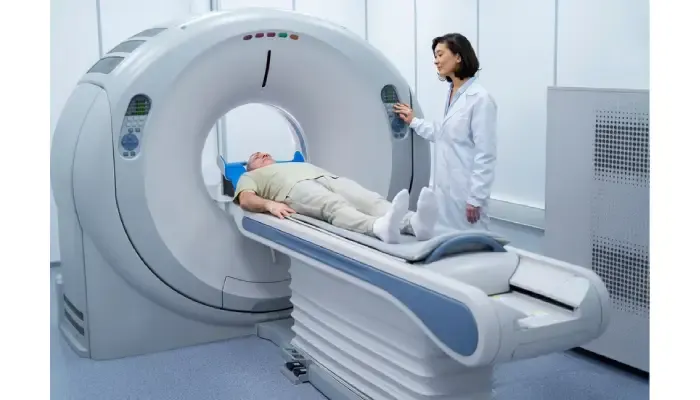
Hyperbaric oxygen therapy, often referred to simply as HBOT, works by delivering pure oxygen to patients within a pressurized chamber. In Tucson, these specialized chambers allow for an environment where the pressure is increased significantly, about two to three times higher than standard atmospheric levels. This increased pressure helps the lungs absorb more oxygen and deliver it efficiently to tissues in need of healing. The process promotes new blood vessel growth and accelerates recovery from chronic wounds or injuries. While there are some risks involved, such as ear pain or sinus discomfort, many find this treatment essential for various medical emergencies and conditions impacting healing abilities. Overall, understanding how HBOT functions could be beneficial for Tucson residents looking into their healthcare options.
Understanding Hyperbaric Oxygen Therapy: The Hyperbaric Chamber in Tucson Explained
Hyperbaric oxygen therapy (HBOT) is a medical treatment that uses pure oxygen in a pressurized chamber to enhance the body’s healing process. The hyperbaric chamber in Tucson operates by raising the air pressure, allowing patients to breathe 100% oxygen. This pressurized environment increases the amount of oxygen that can dissolve in the blood, making it readily available to tissues in need. The therapy is beneficial for various medical conditions, such as chronic wounds, decompression sickness, and carbon monoxide poisoning. Historically, HBOT has evolved over the years, originally used for deep-sea divers but now recognized for its broad therapeutic applications.
Oxygen plays a crucial role in cellular metabolism and healing. It helps stimulate the growth of new blood vessels, promoting tissue repair and regeneration. Research shows that hyperbaric therapy can significantly improve healing rates, with some studies indicating success in up to 80% of patients for specific conditions. Patient testimonials highlight the positive impact of the therapy, with many reporting faster recovery times and improved overall health. For instance, individuals with diabetic foot ulcers have shared how hyperbaric therapy helped them avoid amputation, showcasing its life-saving potential.

Mechanism of Action: How Healing Occurs?
Hyperbaric oxygen therapy works by significantly increasing the oxygen levels in the bloodstream. When patients breathe pure oxygen in a pressurized environment, more oxygen dissolves into the plasma, allowing it to reach tissues that are often starved of oxygen due to conditions like ischemia. This enhanced oxygenation is crucial for healing, particularly in areas where blood flow is compromised. For instance, in chronic wounds, the added oxygen promotes the regeneration of tissues, helping to heal injuries that would otherwise remain stagnant.
The therapy also plays a vital role in reducing inflammation. Increased oxygen levels can help decrease the swelling and discomfort associated with various injuries and conditions. As the inflammatory response is moderated, the healing process can proceed more effectively.
Another critical aspect of hyperbaric oxygen therapy is its ability to stimulate angiogenesis, the formation of new blood vessels. This is significant for healing since new vessels can supply the necessary nutrients and oxygen to damaged tissues, thereby speeding recovery. Additionally, the process boosts collagen production, essential for tissue repair. Collagen fibers provide structural support to the healing tissues, making the recovery more robust.
Moreover, hyperbaric oxygen therapy can enhance the immune response. By oxygenating tissues, it helps the body fight infections more efficiently, which is particularly beneficial for patients with compromised immune systems or those battling chronic infections. The physiological changes during therapy include increased production of growth factors and cytokines, which are crucial for tissue repair and regeneration.
Research has shown that hyperbaric oxygen therapy can also increase the efficacy of certain medications, making it a valuable adjunct treatment in various medical scenarios. The overall impact of this therapy is profound, offering a multi-faceted approach to healing that addresses oxygen delivery, inflammation, tissue regeneration, and immune function.
Benefits of Hyperbaric Oxygen Therapy for Health
Hyperbaric oxygen therapy has shown effectiveness in treating various medical conditions, including diabetic wounds, radiation injuries, and chronic pain. Studies indicate that patients receiving this therapy often experience faster recovery and improved outcomes compared to those who do not. For instance, athletes suffering from sports injuries may find hyperbaric therapy beneficial for reducing recovery time, allowing them to return to their activities sooner. Additionally, this therapy can aid in managing chronic pain by enhancing blood flow and reducing inflammation, providing relief for those suffering from conditions like fibromyalgia or arthritis.
Post-operative care can also see significant advantages from hyperbaric therapy. It promotes healing after surgeries by increasing oxygen supply to the surgical site, which may lead to faster recovery and reduced risk of complications. Patients often report an improved quality of life as they experience less pain and quicker healing.
In terms of financial aspects, while the initial costs may seem high, the therapy can be cost-effective for certain treatments by reducing the overall time spent in recovery and minimizing complications that could lead to more expensive procedures. As research continues to expand, new applications for hyperbaric therapy are being explored, offering hope for conditions that currently have limited treatment options.
Treatment Process: What to Expect During Sessions
When you arrive for your hyperbaric oxygen therapy session, you will first encounter a well-structured setup designed to ensure your safety and comfort. There are two primary types of hyperbaric chambers available: monoplace chambers, which are single-patient tubes, and multiplace chambers, which can accommodate multiple patients at once. Each type has its own advantages, depending on the treatment needs.
Before therapy begins, you’ll undergo a brief preparation process. This may involve answering questions about your medical history and any medications you are currently taking. You will also be instructed on what to wear, loose-fitting, comfortable clothing is recommended, while jewelry and other metallic items should be left outside the chamber to minimize risks.
During the session, you’ll be closely monitored by healthcare professionals. They will keep an eye on your vital signs and overall comfort throughout the treatment. You will breathe pure oxygen from a mask or hood, which is essential for maximizing the effects of the therapy. The increased pressure inside the chamber allows your lungs to absorb more oxygen, promoting faster healing.
Sessions typically last between 1.5 to 2 hours, and the frequency of treatments can vary widely. Some patients may require only a few sessions, while others, especially those with chronic conditions, could need many more. Comfort measures, such as adjusting the temperature and providing blankets, are common to help you relax during the treatment.
Following safety protocols is critical during your sessions. These include guidelines about what to bring into the chamber and how to communicate with the staff if you experience any discomfort. Patient feedback often highlights a sense of peace and relaxation during therapy, with many noting the supportive role of healthcare professionals in making the experience as pleasant as possible.
Risks and Considerations for Hyperbaric Therapy
While hyperbaric oxygen therapy offers numerous benefits, it is crucial to recognize the potential risks associated with this treatment. Common side effects that patients may experience include ear pain, sinus pressure, and fatigue. To minimize these risks, patients should follow their healthcare provider’s instructions carefully and communicate any discomfort during treatment. Certain individuals, such as those with uncontrolled respiratory diseases, recent ear surgery, or certain types of lung disease, may face contraindications that make hyperbaric therapy unsuitable for them. Thus, a thorough medical evaluation is essential before starting therapy.
Barotrauma is another risk to consider, which can occur when pressure changes impact the ears or lungs. Healthcare teams are trained to manage this by monitoring patients closely and providing guidance on equalizing ear pressure. Additionally, while rare, oxygen toxicity can occur if patients receive too much oxygen over time, leading to symptoms like visual changes and seizures. It is vital for patients to be aware of warning signs during treatment, such as chest pain or difficulty breathing, and to report these immediately.
Honesty about medical history is crucial for ensuring safety during hyperbaric therapy. Patients should prepare for therapy by discussing their full medical background with their provider, including any medications they are taking or past medical conditions. Resources are available for further information on risks and safety, so patients can make informed decisions about their treatment options.
- List of common side effects experienced by patients
- Explanation of how to minimize risks during therapy
- Discussion of contraindications for certain patients
- Importance of thorough medical evaluations before starting therapy
- Potential for barotrauma and how it is managed
- Understanding the rare risk of oxygen toxicity
- Warning signs patients should be aware of during treatment
- Importance of patient honesty about medical history
- Guidance on what patients can do to prepare for therapy
- Resources for further information on risks and safety
Frequently Asked Questions
1. What happens inside a hyperbaric chamber?
Inside a hyperbaric chamber, the air pressure is increased, allowing your lungs to take in more oxygen than usual. This extra oxygen helps heal damaged tissues and fight infections.
2. Who can benefit from hyperbaric oxygen therapy?
Many people can benefit, including those with chronic wounds, scuba diving injuries, and certain infections. It’s also used for athletes looking to speed up recovery.
3. Is hyperbaric therapy safe?
Yes, when done under medical supervision, hyperbaric therapy is generally safe. However, it may not be suitable for everyone, especially those with certain lung conditions.
4. How long does a session in a hyperbaric chamber last?
Typically, a session lasts between 60 to 120 minutes. The exact duration can depend on the condition being treated and the doctor’s recommendations.
5. What should I expect during my first session?
During your first session, you will enter the chamber and feel a gradual increase in pressure. You may hear a noise from the machinery, and you might feel your ears pop, similar to what happens when you’re flying.
TL;DR Hyperbaric oxygen therapy (HBOT) involves delivering pure oxygen in a high-pressure environment, which enhances oxygen absorption in the bloodstream, promoting healing and recovery. This therapy is used to treat various conditions, including chronic wounds and decompression sickness. Patients may expect sessions lasting 1.5 to 2 hours, with close monitoring for safety. While generally safe, risks like ear pain or more serious issues can occur, so it’s important to consult with healthcare providers. Overall, HBOT can be a vital treatment option for improving health and facilitating healing.
Resource URL:
https://en.wikipedia.org/wiki/Hyperbaric_medicine
https://immediatecarearizona.com/hyperbaric-oxygen-therapy/

James Scott was born in Missouri and studied at the University of Central Missouri. Currently working as Manager at ActoutLoud, James Scott helps readers learn the fields of Law, Marketing, Construction, Education, Health, etc hone their skills, and find their unique voice so they can stand out from the crowd.
How to Cite This Article
James Scott. "How a Hyperbaric Chamber Works: Tucson Health Guide?." Act Out Loud, July 22, 2025. https://actoutloud.org/how-a-hyperbaric-chamber-works-tucson-health-guid/