Export rice from India: Step-by-step process explained
Exporting rice from India involves business registration, certifications, quality sourcing, packaging, compliance, finding buyers, shipping logistics, and maintaining customer relations.
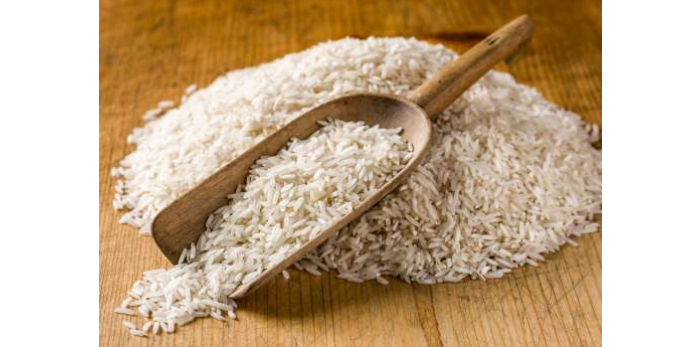
Exporting rice from India involves several important steps to ensure a smooth process. First, you need to set up a registered business entity and obtain crucial documents like PAN card and Import Export Code (IEC). Next, registering with APEDA and getting an FSSAI license is mandatory for complying with food safety standards. Then, securing export licenses along with certifications such as ISO 22000 or HACCP helps meet international quality requirements. After choosing the right rice variety based on target markets like the USA or Middle East, focus on sourcing quality rice from trusted suppliers. Proper packaging, labeling per regulations, finding buyers through trade platforms, and handling shipping logistics follow next. Finally, post-export communication aids in building lasting relationships with customers for steady growth.
Business Setup and Legal Registrations for Rice Export
Starting an export rice business in India requires careful selection of the business structure. Depending on your scale and preferences, you can choose from Sole Proprietorship, Partnership, or a Private Limited Company. Sole proprietorship suits small setups with fewer compliances, while Private Limited Companies offer more credibility and easier access to funding. Once decided, register your business entity with the Ministry of Corporate Affairs (MCA) to obtain legal recognition. Next, obtain a Permanent Account Number (PAN) from the Income Tax Department, which is essential for tax compliance. The most critical step for any exporter is to apply for the Import Export Code (IEC) through the Directorate General of Foreign Trade (DGFT), as this 10-digit code is mandatory for all international trade activities. Alongside IEC, registering with the Agricultural and Processed Food Products Export Development Authority (APEDA) is vital because it governs agricultural exports like rice and provides export licenses and incentives. Quality control is a must, so secure registration with the Export Inspection Council (EIC) to get the required quality inspection certificates. Since rice is a food product, obtaining a Food Safety and Standards Authority of India (FSSAI) license is necessary to meet food safety regulations. It is advisable to open a current bank account dedicated solely to export transactions to streamline payments and cash flow. Additionally, ensure you are registered under Goods and Services Tax (GST) and keep up with compliance requirements related to exports. Export policies can change frequently, so regularly checking DGFT notifications and circulars will help you stay updated and avoid compliance issues. This structured approach to business setup and legal registrations lays a solid foundation for a successful rice export venture from India.
- Choose the suitable business structure such as Sole Proprietorship, Partnership, or Private Limited Company based on scale and preferences.
- Register your business entity with the Ministry of Corporate Affairs (MCA) to gain legal recognition.
- Obtain a Permanent Account Number (PAN) from the Indian Income Tax Department to comply with tax regulations.
- Apply for Import Export Code (IEC) from the Directorate General of Foreign Trade (DGFT), mandatory for international trade.
- Register with Agricultural and Processed Food Products Export Development Authority (APEDA) to access export licenses and benefits.
- Secure registration from Export Inspection Council (EIC) for mandatory quality inspection certification.
- Obtain Food Safety and Standards Authority of India (FSSAI) license to meet food safety requirements.
- Open a current bank account dedicated to export transactions to facilitate payments.
- Familiarize with Goods and Services Tax (GST) registration and compliance related to exports.
- Keep updated with changes in export policies by regularly consulting DGFT notifications and circulars.

Licenses and Certifications Needed to Export Rice
To export rice from India, securing the right licenses and certifications is crucial to ensure compliance with both domestic and international regulations. First, exporters must obtain an export license from the Directorate General of Foreign Trade (DGFT) under the Export (Quality Control and Inspection) Act, 1963. This license is mandatory to legally ship rice abroad. Alongside this, a No Objection Certificate (NOC) from the Agricultural and Processed Food Products Export Development Authority (APEDA) confirms the rice meets prescribed quality standards. For shipments to the United States, registration with the Food and Drug Administration (FDA) and the United States Department of Agriculture (USDA) is required to satisfy their import rules. Additionally, certifications like ISO 22000 and HACCP help demonstrate an effective food safety management system and hazard control throughout the supply chain, which are often expected by international buyers. Exporters must also obtain a Phytosanitary Certificate from the Indian Plant Protection Organization to certify that shipments are free from pests and diseases, a requirement in many countries. If exporting organic rice, securing an Organic Certification is necessary to access niche markets demanding organic status, and exporters should be aware of specific certifications like the EU organic label or Kosher certification when applicable. Maintaining valid fumigation certificates is also important for countries that mandate pest control verification. All these documents must be kept current and readily available for customs inspections and buyer audits to avoid shipment delays or rejection.
Conducting Market Research and Selecting Export Markets
Effective market research is key to successfully exporting rice from India. Start by identifying countries with strong rice demand such as the USA, Middle East, Europe, Africa, and Southeast Asia. Each market has its own preferences; for example, Basmati rice is highly favored in premium markets like the USA and Middle East, while Non-Basmati varieties like Sona Masoori and IR64 are popular in Africa and parts of Asia. Understanding these preferences helps tailor your offerings appropriately. Analyze import regulations and tariff barriers for each target country to avoid unexpected costs or compliance issues. Check competitor pricing to position your rice competitively, considering factors like grain size, aroma, and packaging styles that appeal to local consumers. It’s important to study seasonal demand patterns and import trends to schedule shipments during peak buying periods, maximizing sales potential. Also, factor in currency exchange rates and economic stability since fluctuations can impact your profit margins. Utilize resources such as government trade reports, export promotion councils, and market intelligence platforms for reliable data. Consider niche opportunities like organic or specialty rice segments that can add value and differentiate your product. Finally, assess the logistics infrastructure and ease of doing business in prospective markets to ensure smooth operations and timely deliveries.
Sourcing High-Quality Rice and Managing Quality Control
Securing high-quality rice starts with building strong relationships with reputed rice mills and dependable farmers. This ensures a steady supply of rice that meets your export requirements. Clearly communicate quality parameters to your suppliers, such as grain length, moisture content, and purity, to avoid any discrepancies. Before procurement, implement a sampling and testing process to confirm the rice meets these specifications. Collaborate closely with the Export Inspection Agency (EIA) for mandatory pre-shipment inspections and certifications, which validate the rice’s grade, packaging, and labeling standards. Compliance with FSSAI food safety regulations is essential, along with maintaining strict hygiene during storage and handling to prevent contamination. Adopting internationally recognized standards like ISO 22000 and HACCP helps minimize risks related to food safety hazards. Monitoring grain drying and storage conditions is critical to avoid spoilage and pest infestation, which can degrade quality. Conduct laboratory tests for pesticide residues and heavy metals to comply with the importing country’s regulations. Maintaining detailed traceability records from farm to export container adds a layer of quality assurance and transparency. Additionally, training staff on quality control protocols and conducting regular audits ensures that these quality standards are consistently upheld throughout the export process.
Packaging and Labeling Standards for Export Rice
Packaging plays a crucial role in maintaining rice quality during export. Use vacuum-sealed or moisture-proof bags to protect rice from humidity, pests, and contamination during transportation and storage. Packaging materials should be food-grade, durable, and compliant with the regulations of the importing country to avoid rejection at customs. Labels must clearly state the product name, rice variety, net weight, batch number, and production date to meet both buyer expectations and regulatory requirements. Manufacturer and exporter details should be prominently displayed to ensure traceability. Including the country of origin is mandatory for most markets. Nutritional information should be added following the standards of the destination country, such as FDA requirements for the USA. Where applicable, certification marks like USDA Organic, ISO 22000, or HACCP should be visible on the packaging to build trust and comply with international standards. Labeling must use the language(s) required by the importing country, and translations may be necessary to avoid legal issues. Attractive and professional packaging design helps differentiate the product in competitive markets and improves shelf appeal. Incorporating barcodes or QR codes on the packaging supports inventory management and traceability, allowing buyers and sellers to track batches efficiently. For example, basmati rice exported to the USA often features FDA-compliant labels in English with USDA Organic certification and batch tracking codes to meet strict import standards.
Finding Buyers and Marketing Strategies for Rice Export
To connect with international buyers, registering on B2B platforms like Alibaba, Tradewheel, and Tradologie is essential. These platforms allow exporters to showcase their rice varieties and reach verified importers worldwide. Attending global food expos such as the Fancy Food Show in New York helps build direct contacts with bulk buyers and distributors. For retail distribution, leveraging online marketplaces like Amazon FBA and Walmart Marketplace can open doors to a wider consumer base, especially in the USA and Europe. Targeting bulk buyers like supermarket chains, ethnic grocery stores, and food processing companies is key, as they typically place large, consistent orders. Digital marketing plays a significant role; running social media campaigns aimed at diaspora communities and ethnic food enthusiasts can generate interest and brand awareness. Creating professional promotional materials, including brochures, catalogs, and product videos, helps present the rice effectively during buyer meetings or virtual presentations. Offering product samples and trial shipments builds trust and demonstrates product quality. Negotiating export contracts should clearly define volume, pricing, delivery schedules, and payment terms to avoid misunderstandings. Engaging local agents or distributors in target markets often improves market penetration since they understand local consumer preferences and regulations. Lastly, having a well-designed website that displays your product range, certifications, and contact details adds credibility and serves as a constant marketing tool for potential buyers worldwide.
Pricing Your Rice and Setting Payment Terms
When pricing your rice for export, start by calculating the total cost, including raw materials, processing, packaging, freight, insurance, and customs duties. For example, sea freight from India to the USA can add around ₹12,000 to ₹20,000 per ton. Research competitor pricing in your target markets to position your product competitively, keeping in mind the rice variety, quality grade, and buyer segment, whether bulk buyers or retail customers. Pricing for premium Basmati rice will differ significantly from non-Basmati varieties. Currency exchange fluctuations can impact profit margins, so consider using hedging strategies to manage this risk. Clearly define cost and risk responsibilities by choosing appropriate Incoterms such as FOB, CIF, or EXW, which specify who pays for freight, insurance, and when risk transfers. For payment, use secure methods like Letters of Credit (LC) to minimize financial risk. It is common to require advance or partial payments before shipment to ensure buyer commitment. Include detailed payment terms in your contracts, specifying due dates, penalties for late payments, and procedures for dispute resolution. While trade credit can help build long-term relationships with established buyers, it should be offered cautiously. Finally, regularly review your pricing and payment terms to adapt to changes in market conditions and costs.
Logistics and Shipping Options for Rice Export
For exporting rice from India, choosing the right logistics and shipping method is crucial. Sea freight is the preferred option for bulk shipments due to its cost-effectiveness, with typical transit times ranging from 25 to 30 days. Major Indian ports like Mumbai, Chennai, Kandla, and Kolkata serve as key departure points. Depending on the buyer’s location, destination ports in the USA such as Los Angeles on the West Coast or New York on the East Coast are commonly used. While air freight offers faster delivery (about 5 to 7 days), it is significantly more expensive and is best reserved for urgent or premium shipments. Proper packaging is essential to protect the rice throughout transit, ensuring it withstands handling and varying climate conditions. Exporters must prepare all necessary shipping documents, including commercial invoices, packing lists, bills of lading, and certificates like the Certificate of Origin, Phytosanitary Certificate, and fumigation certificates when required. Coordinating closely with freight forwarders and customs brokers helps streamline shipment processing and customs clearance. It is also important to monitor seasonal weather patterns and port congestion to plan shipments wisely and avoid delays. Maintaining shipment tracking and providing regular updates to buyers enhances transparency and builds trust throughout the export process.
Customs Clearance Process for Rice Shipments
Before exporting rice from India, schedule a pre-shipment inspection with the Export Inspection Agency to verify quality and compliance with export standards. Submit all necessary documents to Indian Customs, including your Import Export Code (IEC), export license, and relevant certificates such as the phytosanitary and fumigation certificates. Pay any applicable customs duties to obtain clearance, which is mandatory before the shipment can leave the country. On the receiving end, ensure that the consignee or their appointed customs broker is ready to handle import clearance promptly to avoid delays. Providing accurate shipment details like quantity, weight, and product description is crucial to prevent customs penalties or hold-ups. Comply with fumigation and phytosanitary rules set by the importing country, as non-compliance can lead to shipment rejection or quarantine. Keep all customs clearance documents safely for future audits and reference. Stay updated about customs regulations and tariff changes in both India and the destination country to avoid surprises. If any discrepancies or inspection issues arise, address them quickly to prevent detention of the shipment. Finally, coordinate with your logistics partners to ensure the rice reaches its destination on time after clearing customs.
Post Export Activities and Brand Building
Maintaining regular communication with buyers after the rice shipment is crucial for gathering feedback and quickly addressing any concerns. This helps monitor customer satisfaction and ensures consistent product quality, which encourages repeat orders and builds trust over time. Developing branded packaging and marketing materials tailored to international markets strengthens your product’s identity and makes it stand out on shelves. Continuous improvement of rice quality based on market feedback is essential to meet evolving consumer preferences and maintain competitiveness. Staying updated with export documentation and certifications is necessary to comply with changing regulations and avoid disruptions. Participating in industry forums and export promotion events enhances brand visibility and opens networking opportunities with potential buyers and partners. Leveraging digital platforms to showcase success stories, customer testimonials, and certifications can boost credibility and attract new clients. Building an effective after-sales support system helps buyers with any queries related to product handling, logistics, or documentation, reinforcing your reliability. Tracking market trends and competitor activities allows you to adjust branding and marketing strategies proactively. Lastly, use insights gained from existing export experience to plan expansion into new markets, ensuring sustainable growth and diversification of your rice export business.
Approximate Cost Breakdown for Exporting Rice
The cost of exporting rice from India varies significantly depending on the type of rice, mode of shipment, and other associated expenses. For example, FOB (Free on Board) prices differ by rice variety: non-Basmati broken rice ranges from ₹35,000 to ₹38,500 per ton, standard Basmati 1121 steam rice is priced between ₹78,500 and ₹82,000 per ton, while premium Basmati 1401 raw rice commands ₹95,000 to ₹99,500 per ton. Sea freight is the most common and cost-effective shipping method for bulk orders, typically costing ₹12,000 to ₹20,000 per ton, with transit times around 25 to 30 days depending on the port and shipping line. Air freight, although much faster (5 to 7 days), is considerably more expensive at about ₹50,000 to ₹75,000 per ton, and is usually reserved for urgent or high-value shipments. Additional costs include customs duties and taxes, which add roughly 3% to 5% on the export value and depend on the destination’s trade agreements and regulations. Packaging also adds to expenses, with vacuum-sealed, moisture-proof bags and proper labeling typically costing ₹2 to ₹5 per kilogram. Exporters must also budget for inspection and certification fees required by agencies like APEDA and the Export Inspection Council, which are essential for shipment clearance. Inland transportation from mills to ports can add ₹1,000 to ₹2,000 per ton, depending on distance and logistics efficiency. Once the shipment reaches the destination country, the landed cost, including freight, customs, insurance, and local handling, can range from ₹50 to ₹140 per kilogram, varying with rice type and other factors. Currency fluctuations and payment terms also influence overall profitability, so exporters often use secure methods like Letters of Credit to reduce financial risks. Understanding this cost structure is crucial for pricing rice competitively while maintaining a reasonable margin in the global market.
Regulatory Acts and Authorities Governing Rice Export
Rice export from India is governed by several key regulatory acts and authorities that ensure quality, safety, and compliance with both domestic and international standards. The Export (quality control and inspection) Act, 1963, is the primary legislation mandating strict quality control and inspection of rice exports to meet global norms. The Agricultural and Processed Food Products Export Development Authority (APEDA) plays a central role in registering exporters, issuing export licenses, setting quality benchmarks, and promoting rice exports. Alongside APEDA, the Export Inspection Council (EIC) supervises inspection, certification, and quality assurance before rice shipments leave the country. The Directorate General of Foreign Trade (DGFT) issues the essential Import Export Code (IEC) and export licenses, while also regulating trade policies and ensuring exporters comply with regulations. Food safety is monitored by the Food Safety and Standards Authority of India (FSSAI), which requires exporters to have licenses for processing and packaging rice to meet hygiene norms. Another vital certification is the phytosanitary certificate, issued by the Plant Quarantine and Plant Protection Organization, which confirms rice shipments are free from pests and diseases, a must for many importing countries. When exporting to the U.S., compliance with FDA and USDA regulations is mandatory, covering food safety, labeling, and import standards. While not always compulsory, certifications like ISO 22000 and HACCP are highly recommended to satisfy international buyers demanding stringent food safety management. The Bureau of Indian Standards (BIS) may also set standards for specific rice varieties and packaging materials to ensure quality and consumer protection. Additionally, state agricultural departments and export promotion councils work in coordination with central authorities to enforce local regulations, including quality and grading norms, supporting exporters throughout the process. Together, these acts and bodies create a comprehensive framework that secures the integrity and acceptance of Indian rice in global markets.

James Scott was born in Missouri and studied at the University of Central Missouri. Currently working as Manager at ActoutLoud, James Scott helps readers learn the fields of Law, Marketing, Construction, Education, Health, etc hone their skills, and find their unique voice so they can stand out from the crowd.
How to Cite This Article
James Scott. "Export rice from India: Step-by-step process explained." Act Out Loud, June 27, 2025. https://actoutloud.org/export-rice-from-india-step-by-step-process-expla/