What Makes a Milk Chocolate Bar So Addictive?
Milk chocolate’s high sugar and fat activate dopamine and opioid systems, enhancing pleasure and motivation, which makes it more tempting than darker chocolate with less sugar.
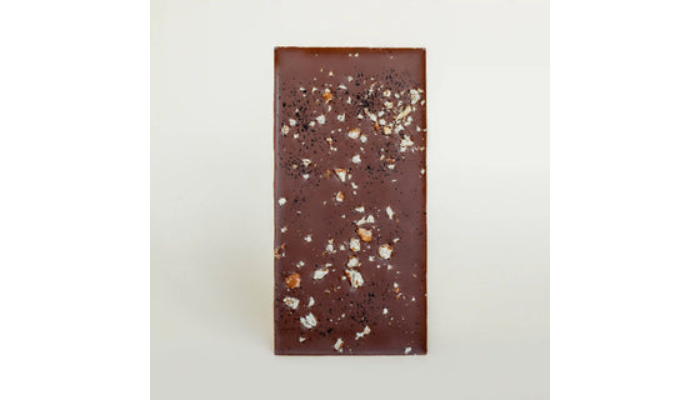
Milk chocolate bars trigger unique brain responses by activating both dopamine and opioid systems, which together drive the motivation to eat more and the pleasure felt while eating. The high sugar content plays a major role in boosting these psychoactive effects, making milk chocolate especially tempting. Fat adds to this appeal but is less influential on its own. Cocoa’s compounds like caffeine and theobromine contribute mild stimulant effects, though their bitterness doesn’t strongly cause cravings without sugar and fat. Overall, this combination creates a powerful reward system that explains why people tend to eat more milk chocolate than darker types with less sugar.
Chocolate’s Unique Brain Effects Linked to Addiction
Chocolate triggers brain areas involved in reward, much like addictive drugs do. It activates dopamine pathways that fuel the drive or ‘wanting’ to eat more, while simultaneously engaging opioid systems that amplify the pleasure or ‘liking’ experienced. This dual action makes chocolate’s impact on the brain quite distinctive compared to most other foods. The interaction between dopamine and opioids not only provides immediate enjoyment but also strengthens motivation to seek chocolate again in the future. Repeated consumption enhances neural pathways tied to craving, reinforcing this cycle. The combination of sensory cues, taste, texture, and aroma, along with these neurochemical effects creates a powerful incentive loop. This explains why the brain’s reward centers respond more strongly to chocolate than to less appealing foods, supporting both the feelings of well-being and the persistent desire that many people recognize as addictive.

How Sugar Drives Milk Chocolate’s Addictiveness?
Sugar is the key ingredient that makes milk chocolate so appealing and hard to resist. When you eat milk chocolate, the sugar content triggers strong activity in the brain’s reward centers, especially those linked to dopamine release. Dopamine is a neurotransmitter that drives motivation and the desire to keep eating, which explains why a sweeter chocolate feels more tempting. Sugar also activates taste receptors associated with pleasure and appetite, making the chocolate taste sweeter and more enjoyable while masking the natural bitterness of cocoa. This combination creates powerful reinforcing signals that encourage repeated consumption. Compared to fat or cocoa alone, sugar has a stronger effect on the brain’s reward circuits, which is why foods high in simple carbs, like milk chocolate, often lead to stronger cravings and more frequent eating. For example, studies show people tend to eat more milk chocolate bars with higher sugar levels than darker, less sweet variants. This sugar-driven stimulation aligns with patterns seen in other addictive foods, demonstrating how sweetness plays a central role in milk chocolate’s addictiveness.
The Role of Fat in Enhancing Chocolate Reward
Fat plays a key role in making milk chocolate so appealing, though its effect is more subtle than sugar’s. It improves the texture and mouthfeel, giving milk chocolate its creamy, smooth consistency that many people prefer. This creamy texture adds to the sensory pleasure, making each bite feel more indulgent. Fat also activates brain reward pathways, albeit less strongly than sugar, but when combined, fat and sugar create a powerful synergy that boosts motivation to eat more. This supra-additive effect means the combination produces a stronger reward response than either component alone. Fat slows digestion, which helps prolong the taste and pleasure of chocolate, extending the hedonic experience well beyond the initial bite. Additionally, fat influences the release of endogenous opioids in the brain, chemicals linked to feelings of pleasure and well-being, which encourages repeated consumption. While fat content in milk chocolate varies less than sugar, it remains an important factor in sustaining the desire to keep eating chocolate. Together with sugar, fat forms the core of milk chocolate’s reinforcing properties, shaping both the sensory and neurochemical experience that makes it so addictive.
Cocoa’s Psychoactive Compounds and Their Impact
Cocoa contains methylxanthines like theobromine and caffeine, which mildly stimulate the brain and add a subtle psychoactive effect to milk chocolate. While the caffeine levels in milk chocolate are relatively low compared to coffee or tea, they still contribute to a slight boost in alertness and energy, enhancing the overall stimulating experience. Theobromine works alongside caffeine, complementing its effects and adding to the psychostimulant profile of chocolate. These compounds don’t create strong cravings on their own, especially since cocoa’s natural bitterness is often balanced out by sugar and fat, which play bigger roles in driving desire. However, methylxanthines may subtly improve mood and cognitive function during chocolate consumption, making each bite more rewarding beyond taste alone. This combination of cocoa bioactives with sugar and fat layers complexity into chocolate’s appeal, supporting the reinforcing experience that makes milk chocolate feel so satisfying and, for many, hard to resist.
Measuring Chocolate’s Effects with Addiction Questionnaires
The Addiction Research Center Inventory (ARCI) provides a useful way to measure chocolate’s psychoactive effects, capturing how it influences feelings and behavior. Key subscales like the Morphine-Benzedrine Group (MBG) assess sensations of well-being and mild euphoria, while the Morphine (M) scale looks at physical sensations and attitudes during consumption. The Excitement (E) scale tracks psychological and physical arousal responses. Milk chocolate consistently scores highest on the MBG and E scales, indicating it produces stronger feelings of pleasure and excitement compared to dark chocolate. This difference aligns with the higher sugar and fat content in milk chocolate, which enhances its rewarding effects. Self-reports gathered through these questionnaires reveal that people experience greater craving and enjoyment when eating milk chocolate, reflecting the activation of brain reward systems. By quantifying these subjective experiences, tools like the ARCI help validate milk chocolate’s addictive-like properties, showing how its combination of ingredients triggers reinforcing effects similar to other psychoactive substances.
Why Milk Chocolate Is Preferred Over Dark Chocolate?
Milk chocolate is often favored over dark chocolate because of its higher sugar and fat content, which create stronger reward signals in the brain. This combination not only makes milk chocolate taste sweeter and creamier but also helps mask the natural bitterness found in cocoa, making it more enjoyable for a wider range of people. The smooth, melt-in-your-mouth texture enhances the sensory experience, increasing the desire to keep eating. Neurobiologically, milk chocolate stimulates dopamine and opioid systems more robustly than dark chocolate, leading to increased feelings of pleasure and motivation to consume more. Dark chocolate’s lower sugar content results in less pronounced cravings, as the bitter notes are more noticeable without the balancing effects of sugar and fat. Because milk chocolate hits the perfect balance between sweetness, fat, and mild cocoa taste, it promotes both immediate satisfaction and repeated consumption, reinforcing its preference among many chocolate lovers.
How Chocolate Affects Brain Reward Systems?
When you eat milk chocolate, it triggers dopamine release in brain areas tied to reward and motivation, making you want more. At the same time, the activation of opioid receptors enhances feelings of pleasure and satisfaction, increasing the enjoyment you get from chocolate. This combination of dopamine and opioid activity drives both the desire to seek chocolate and the actual liking of it. Sensory inputs like taste, smell, and texture also play a key role by stimulating reward circuits, reinforcing the overall experience. Brain imaging studies confirm increased activity in limbic and cortical regions during chocolate consumption, showing that these effects overlap with patterns seen in substance addiction research. Over time, eating chocolate strengthens neural pathways linked to craving, which helps explain why many people find themselves eating it repeatedly. Individual differences in how sensitive someone’s reward system is can influence how addictive chocolate feels to them. Overall, the synergy between chocolate’s chemical effects and its sensory appeal makes it especially powerful in activating the brain’s reward systems.
Sensory Factors That Influence Chocolate Cravings
The appeal of a milk chocolate bar goes beyond just taste; it’s a rich sensory experience that triggers cravings in multiple ways. Sweetness and creamy texture are central to why chocolate feels so satisfying, as they activate taste buds and brain reward circuits linked to pleasure. The smell of chocolate also plays a subtle role, interestingly, smelling it can temporarily reduce appetite, a phenomenon known as sensory-specific satiety. This means the nose can signal fullness before the first bite, though the full craving returns once tasting begins. Mouthfeel and the way chocolate melts smoothly on the tongue add to the rewarding sensation, making each bite feel indulgent. Even the sound matters: the crisp snap of a chocolate bar breaking can increase sensory satisfaction for many, reinforcing the desire to keep eating. Visually, the glossy surface and rich brown color enhance anticipation, making the chocolate more tempting. On the other hand, the bitter notes from cocoa can dampen cravings unless balanced well with sugar and fat, which soften bitterness and elevate sweetness. Temperature also influences how flavors release and how enjoyable the chocolate feels; slightly warmer chocolate melts better and releases more aroma, intensifying the experience. Over time, repeated exposure to these sensory cues can either lead to habituation, reducing craving, or increase the desire depending on individual differences. People’s sensitivity to taste varies, so the strength of these sensory signals and their influence on craving differ from person to person. Ultimately, these sensory factors work together with brain reward systems, shaping both the motivation to eat chocolate and the pleasure felt while eating it.
- Taste sweetness and creamy texture are key drivers of chocolate cravings.
- Smell of chocolate can reduce appetite temporarily, showing sensory-specific satiety.
- Mouthfeel and melting behavior contribute to the rewarding experience.
- Visual appeal and color also enhance desire to consume chocolate.
- Bitter notes in cocoa can reduce craving unless balanced by sugar and fat.
- Temperature influences flavor release and sensory enjoyment of chocolate.
- Sound and snap of chocolate bars add to sensory satisfaction for some consumers.
- Repeated sensory exposure can lead to habituation or increased craving.
- Sensory factors interact with brain reward systems to shape consumption.
- Individual taste sensitivities modulate how strongly sensory cues affect desire.
Individual Differences in Sugar Sensitivity and Desire
People vary quite a bit in how strongly they perceive sweetness and respond to sugar, which plays a big role in how addictive milk chocolate feels to them. Those with higher sugar sensitivity often experience stronger cravings and tend to consume more because sugar activates their dopamine system more intensely, boosting the motivation to eat sweet foods. On the other hand, individuals less sensitive to sugar might need more of it to get the same rewarding effects, which can influence their chocolate preference and how much they enjoy it. Genetics and environment both shape this sensitivity, while past experiences and learned associations with chocolate also affect desire. For example, someone who grew up enjoying chocolate as a comfort food might crave it more under stress, as psychological factors can amplify sugar cravings. These individual differences help explain why milk chocolate’s appeal isn’t the same for everyone and why it can feel more addictive to some than to others.
Challenges in Studying Chocolate’s Addictive Properties
Studying what makes milk chocolate so addictive comes with many challenges. One major issue is isolating the individual effects of sugar, fat, and cocoa bioactives since they interact closely and influence each other’s impact on the brain and taste. This complex mixture makes controlling experimental variables difficult. Another complication is sensory-specific satiety, where repeated exposure to chocolate can reduce desire temporarily, making it hard to measure true craving or addiction potential over time. Individual differences in metabolism and brain responses add another layer of complexity, as people vary widely in how they process and react to chocolate’s components. Most research focuses on healthy-weight individuals, which limits how well findings apply to people with different body weights or eating habits. Objective measures of brain dopamine response, which could provide clearer insights, are still new and not widely used, while self-report questionnaires often carry biases related to social desirability or a person’s awareness of their own cravings. Additionally, defining addiction when it comes to food versus drugs remains controversial, complicating how researchers interpret behaviors around chocolate consumption. Ethical concerns also restrict invasive or long-term studies, especially with human subjects, limiting the depth of available data. Because of these challenges, more research is needed to better understand the mechanisms behind chocolate’s addictive qualities and to identify individual risk factors that might influence susceptibility.
Resource URL:
https://markhamandfitz.com/collections/milk-chocolate
https://en.wikipedia.org/wiki/Milk_chocolate

James Scott was born in Missouri and studied at the University of Central Missouri. Currently working as Manager at ActoutLoud, James Scott helps readers learn the fields of Law, Marketing, Construction, Education, Health, etc hone their skills, and find their unique voice so they can stand out from the crowd.
How to Cite This Article
James Scott. "What Makes a Milk Chocolate Bar So Addictive?." Act Out Loud, June 27, 2025. https://actoutloud.org/what-makes-a-milk-chocolate-bar-so-addictive/