How To Spot Hidden Costs In An Investment Property For Sale?
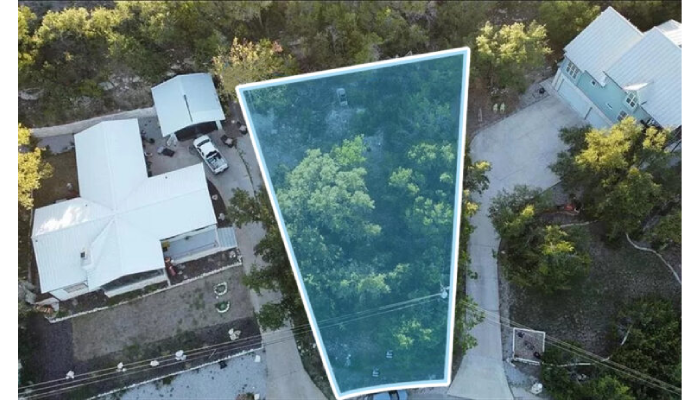
When searching for an investment property for sale, most buyers focus on the purchase price, location, and potential rental income. While these are essential factors, many investors overlook the hidden costs that come with owning and managing real estate. These unseen expenses can reduce your return on investment (ROI), stretch your budget, and sometimes turn a promising deal into a financial burden.
In this article, we’ll explore the most common hidden costs associated with investment properties, how to identify them before making a purchase, and strategies to manage these expenses effectively.
Why Understanding Hidden Costs Matters?
Real estate is often considered one of the safest long-term investments. However, overlooking additional costs can harm your cash flow and make the property less profitable. For example, a property that appears to yield a 7% return might only deliver 4–5% once taxes, repairs, and management fees are factored in.
Being aware of these costs before committing to an investment property for sale helps you:
- Accurately calculate true ROI
- Avoid unpleasant financial surprises
- Negotiate better purchase prices
- Plan long-term property management strategies

Common Hidden Costs in an Investment Property
1. Property Taxes
Property taxes are a recurring expense that can increase annually depending on local regulations. Some areas have higher tax rates that significantly impact your net income. Before purchasing, review the property’s tax history and consult the local municipality about possible rate changes.
Tip: Factor in potential tax hikes when forecasting long-term returns.
2. Insurance Premiums
Every investment property for sale will require insurance coverage. Costs vary depending on the property’s location, age, and type. For example:
- Properties in flood zones may need additional flood insurance.
- Older buildings may require higher premiums due to structural risks.
Action Step: Get an insurance quote before closing the deal to avoid surprises.
3. Homeowners Association (HOA) Fees
If the property is part of a condominium or planned community, HOA fees can be substantial. These fees cover amenities, maintenance, and sometimes utilities, but they also eat into your rental income.
Note: HOA rules may also restrict how you rent the property (e.g., short-term rentals).
4. Maintenance and Repairs
Regular maintenance costs are often underestimated. These include landscaping, plumbing fixes, and electrical repairs. In addition, unexpected issues like roof leaks, HVAC breakdowns, or pest infestations can require significant capital.
5. Property Management Fees
If you don’t plan to manage the property yourself, hiring a property management company will cost anywhere from 8–12% of your rental income. While this service can save time and reduce stress, it’s a hidden cost that reduces net profitability.
6. Closing Costs
Many investors overlook the upfront costs of acquiring a property. Closing costs typically range between 2–5% of the purchase price and may include:
- Loan origination fees
- Title insurance
- Legal fees
- Appraisal fees
These expenses should be factored into your investment analysis.
7. Vacancy Costs
No property will be rented 100% of the time. Periods of vacancy mean you still pay the mortgage, utilities, and taxes without any rental income. Factoring in at least 5–10% of annual rental income as vacancy costs provides a realistic ROI calculation.
8. Utility Expenses
In some markets, landlords cover certain utilities such as water, gas, or trash collection. These recurring costs can reduce your profits if not accounted for before purchase.
Action Step: Clarify which utilities tenants are responsible for versus the landlord.
9. Renovation and Upgrade Costs
To attract tenants or increase rental value, you may need to invest in renovations. Painting, modernizing kitchens, or updating bathrooms can quickly add up. While these improvements can increase property value, they represent upfront costs that many investors don’t anticipate.
10. Legal and Compliance Costs
Owning rental property often comes with legal responsibilities. These include:
- Lease preparation and review
- Eviction proceedings (if necessary)
- Compliance with local housing codes
Hiring an attorney or paying fines for non-compliance can be expensive, so it’s important to budget accordingly.
11. Capital Expenditures
Unlike routine maintenance, capital expenditures are major, long-term investments in the property, such as:
- Roof replacement
- New HVAC system
- Foundation repair
These are not annual expenses, but they can cost tens of thousands of dollars when they occur. Savvy investors create a capital reserve fund for such needs.
How to Identify Hidden Costs Before Buying?
Spotting hidden costs requires thorough due diligence. Here’s how to protect yourself:
- Request Financial Records – Review the seller’s expense reports for at least the past two years.
- Get a Professional Inspection – Hire a licensed inspector to check for structural, plumbing, and electrical issues.
- Research Local Laws – Understand zoning rules, rental restrictions, and compliance requirements.
- Consult with a Real Estate Agent – An experienced agent specializing in investment properties for sale can provide insights on typical costs in the area.
- Speak with Other Property Owners – They can share real-world experiences about hidden expenses.
- Calculate Conservative Projections – Always assume higher costs and slightly lower rental income in your ROI analysis.
Strategies to Manage Hidden Costs
While you can’t eliminate hidden costs entirely, you can plan for them strategically:
- Create a Contingency Fund: Set aside at least 10% of your rental income for unexpected expenses.
- Negotiate with Sellers: If inspections reveal costly issues, negotiate a lower price or request repairs before closing.
- Regular Maintenance: Preventive upkeep reduces the risk of expensive repairs.
- Consider Property Location: Properties in areas with stable taxes, lower insurance rates, and high rental demand are less risky.
- Hire Trusted Professionals: Reliable property managers, contractors, and accountants help minimize long-term costs.
Conclusion
Buying an investment property for sale can be a rewarding venture, but only if you account for the full range of expenses—not just the purchase price. From property taxes and insurance to vacancies and capital expenditures, hidden costs can significantly affect your profitability.
By conducting thorough due diligence, budgeting realistically, and building a financial cushion, you can safeguard your investment and maximize returns. The key is to approach each property with clear eyes, realistic expectations, and a plan for managing both expected and unexpected costs.
When you spot and prepare for hidden costs, your investment property has a much greater chance of delivering steady income and long-term value.

James Scott was born in Missouri and studied at the University of Central Missouri. Currently working as Manager at ActoutLoud, James Scott helps readers learn the fields of Law, Marketing, Construction, Education, Health, etc hone their skills, and find their unique voice so they can stand out from the crowd.
How to Cite This Article
James Scott. "How To Spot Hidden Costs In An Investment Property For Sale?." Act Out Loud, September 20, 2025. https://actoutloud.org/how-to-spot-hidden-costs-in-an-investment-property-for-sale/