How Can You Choose the Right Industrial Chemical Suppliers?
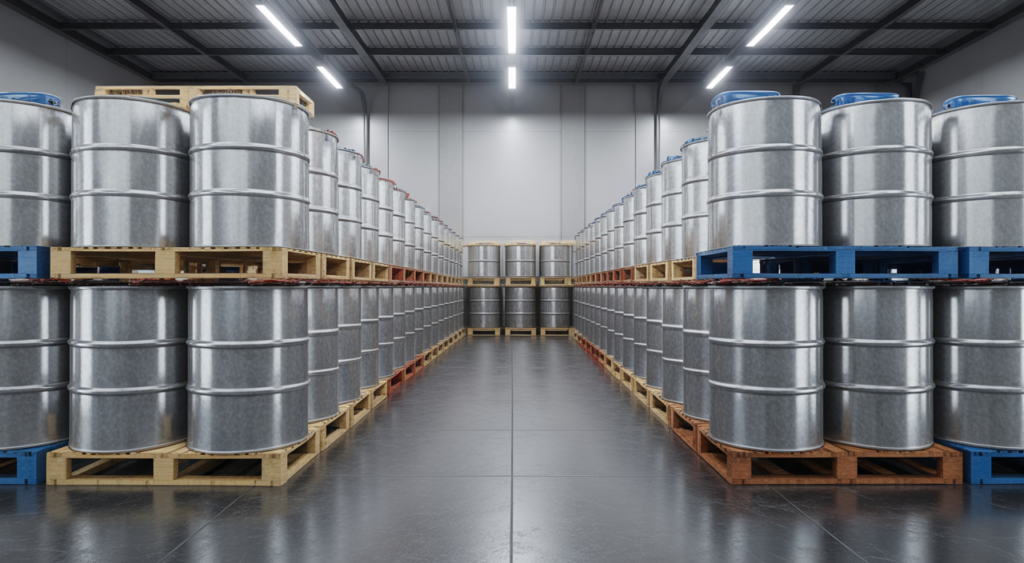

Choosing the right industrial chemical suppliers can transform your plant’s performance, cost structure, and compliance record. A strong supply partner keeps your production stable, supports your R&D team, and helps you meet strict safety rules. A weak partner can mean delays, quality issues, and extra stress for your procurement team.
This guide gives you a simple, practical framework to pick a reliable supplier, compare options, and build long-term partnerships. It is written for procurement managers, plant heads, and R&D leaders who want clarity before signing the next contract.
We will walk through key evaluation points such as quality systems, pricing models, logistics strength, and technical support. You will also see a step-by-step way to compare shortlisted vendors so you can negotiate with confidence.
What Do Industrial Chemical Suppliers Actually Do?
Industrial chemical suppliers provide the raw materials that keep factories running. These include base chemicals, solvents, additives, resins, and many other inputs used in coatings, pharma, food processing, agrochemicals, water treatment, and more.
The best suppliers do more than just ship drums or tankers. They help you plan demand, manage inventory, maintain safety stocks, and stay updated with regulatory changes. Many also offer technical advice so your team can fine-tune formulations and reduce waste.
Types of Chemicals and Why They Matter in Sourcing
When you start vendor evaluation, it helps to first map what you buy. Broadly, your needs fall into two groups.
Bulk vs Specialty Chemicals
Bulk chemicals are high-volume, often commodity products like acids, alkalis, or common solvents. Price, logistics efficiency, and steady availability are usually the main factors here.
Specialty chemicals are lower-volume but higher-value materials designed for specific functions, such as performance additives, curing agents, or niche intermediates. For these, technical support, consistency, and application know-how matter more than just price.
Many plants need both types. So your shortlisted industrial chemical suppliers should be strong in the right category for your portfolio, not just “big” in general.
7 Key Criteria for Evaluating Industrial Chemical Suppliers
Here is a simple, buyer-friendly checklist you can use in vendor discussions and internal meetings. It works well for Indian buyers as well as global teams.
1. Quality Management and Certifications
Quality is non-negotiable in chemicals. Ask for details on:
- Quality certificates such as ISO standards
- Lot-wise certificates of analysis (COA)
- Batch traceability systems and record-keeping
- Internal lab testing capabilities
A supplier that treats quality data transparently will make your audits smoother and reduce rework at your plant.
2. Regulatory and Safety Compliance
Chemicals move through a web of regulations related to handling, storage, transport, and environmental impact. Check that your supplier:
- Provides clear safety data sheets (SDS)
- Follows local and international transport norms
- Offers support for labeling and documentation
- Has trained staff for hazardous material handling
For Indian operations, also see whether the supplier understands local norms and supports inspections without delay.
3. Supply Chain and Logistics Strength
Supply reliability often matters as much as product quality. Discuss:
- Where their warehouses and bulk storage points are located
- Lead times for regular and urgent orders
- Backup plans during transport strikes, weather events, or port delays
- Minimum order quantities and delivery frequency
Suppliers with a robust chemical distribution network and smart inventory planning can help you run lean while avoiding stockouts.
4. Pricing Models and Cost Transparency
Look beyond the per-kg price. A smart pricing conversation includes:
- Volume-based discounts and annual contract pricing
- Index-linked pricing for volatile feedstocks
- Freight terms and who bears which costs
- Hidden costs such as packaging, handling, or demurrage
Ask for sample cost scenarios: small batch vs full truckload, one-time order vs annual contract, domestic vs imported stock. This makes it easy to compare suppliers on a like-for-like basis.
5. Technical Support and Application Expertise
For many plants, technical support is a big differentiator. Strong partners can help you:
- Optimize formulations to save material
- Solve production issues like foaming, curing delays, or deposits
- Trial alternative raw materials without quality loss
- Develop new grades for local market needs
Check whether they have qualified chemists or application engineers, not just sales staff. Ask for concrete examples of how they have supported other clients.
6. Sustainability and Green Sourcing Options
More companies now aim for cleaner production and lower emissions. Discuss with your supplier:
- Availability of eco-friendlier grades or low-VOC options
- Waste reduction and returnable packaging programs
- Energy-efficient production practices at their end
Small steps like moving to greener industrial solvents or reducing packaging waste can add up to a strong sustainability story for your own brand.
7. Service Culture and Communication
Finally, look at how the supplier behaves in day-to-day interactions. Do they respond quickly to queries, share delivery updates, and handle complaints gracefully? A partner with a positive, solution-focused culture will make your job as a buyer or plant head much smoother.
How to Compare Industrial Chemical Suppliers: A Simple Template
You can create a one-page comparison sheet to keep internal discussions focused. For each shortlisted supplier, rate them on a scale of 1 to 5 for:
- Product range match with your requirement
- Quality and certifications
- Logistics and lead times
- Pricing and commercial terms
- Technical support depth
- Sustainability initiatives
- Overall service experience
Share this template with your team and score independently. Then review together. Differences in scoring often highlight hidden concerns early in the process.
Common Procurement Challenges and How to Handle Them
Even with strong partners, chemical buying can face hurdles. Some common challenges include sudden price spikes, demand fluctuations, limited storage space, and coordination with maintenance shutdowns.
To handle these, agree in advance on safety stock levels, review clauses in contracts, and hold quarterly business review meetings with your suppliers. If you manage project work or seasonal demand, align their production plan with your upcoming orders so they can build stock on time.
For more ideas on structuring efficient industrial operations, you can explore insights on topics like designing the right mezzanine platform for your warehouse, which often connects directly to how you store and move chemicals safely.
Next Steps for Indian and Global Buyers
Whether you run a mid-sized Indian plant or a global manufacturing network, the core principles stay the same. Define your needs clearly, shortlist trusted suppliers, and evaluate them with a structured checklist instead of only per-kg price.
As you refine your supplier base, keep an eye on new technologies, warehouse design, and safety systems. Articles on best practices in industrial maintenance can also help you build a more reliable and efficient plant environment.
FAQs on Choosing Industrial Chemical Suppliers
Q1. How many industrial chemical suppliers should my company work with?
It is usually wise to have a primary supplier and at least one qualified backup for critical materials. This balances volume discounts with supply security. For very specialized chemicals, one strong partner may be enough, but review their performance regularly.
Q2. How often should I review supplier performance?
A quarterly review works well for most plants. In each review, look at delivery timelines, quality issues, pricing stability, and support responsiveness. For new suppliers or high-risk items, you may want monthly check-ins during the first year.
Q3. What is the best way to start discussions with a new supplier?
Begin with a clear list of products, approximate volumes, quality requirements, and expected delivery locations. Share your current pain points and ask how they would address them. This early clarity helps both sides see if there is a strong fit and speeds up the quote and trial process.

James Scott was born in Missouri and studied at the University of Central Missouri. Currently working as Manager at ActoutLoud, James Scott helps readers learn the fields of Law, Marketing, Construction, Education, Health, etc hone their skills, and find their unique voice so they can stand out from the crowd.
Frequently Asked Questions
What are the key criteria to evaluate when selecting an industrial chemical supplier?
Why is supply chain strength important when choosing an industrial chemical supplier?
How can I compare different industrial chemical suppliers effectively?
What role does technical support play in choosing an industrial chemical supplier?
How should sustainability factors influence supplier selection for industrial chemicals?
How to Cite This Article
James Scott. "How Can You Choose the Right Industrial Chemical Suppliers?." Act Out Loud, March 19, 2026. https://actoutloud.org/how-can-you-choose-the-right-industrial-chemical-suppliers/