Bearing Lubrication Best Practices

Last Updated:
Proper lubrication is something that’s vital for optimal and long-lasting functioning of a machine. Bearings are a part of the machine and are just as important as the cogs and wheels. There are several cases where the life or the functioning of machinery deteriorates because of incorrect lubrication or using the wrong processes while lubricating. To ensure that your machinery has the best lubrication, read on and follow the steps.
Use the Right Type of Lubrication
 There are several types of lubricants available in the market for various kinds of bearings. Conduct research to see which lubrication is perfect for the bearings that you are using. You can ask around your local hardware shop or the company you purchased the machinery from will give you an idea. You can also ask people that have been in the business for a while and use similar bearings like you.
Do Not Contaminate
Whether for cost-cutting or because of the notion that it works better that way, some individuals contaminate the bearings with other ingredients. Contaminating or mixing lubrication isn’t the best practice. Not only can it deteriorate the strength of the Boston Change Gear lubricant, but it might also do the same for the bearings thereby weakening your machinery in the process.
Store Your Lubricant As Recommended
Yes, we do get away with storing some ingredients in a haphazard manner around the house, but that’s not the case with machinery and their lubricants. If stored incorrectly, it could become weaker and not perform the way it’s supposed to. It is recommended to store it in a place that is away from direct heat. Make sure that the lid is shut properly because a lubricant tends to attract a lot of dust when left exposed. Using a lubricant that has been compromised could potentially ruin your machinery.
Don’t Overbuy
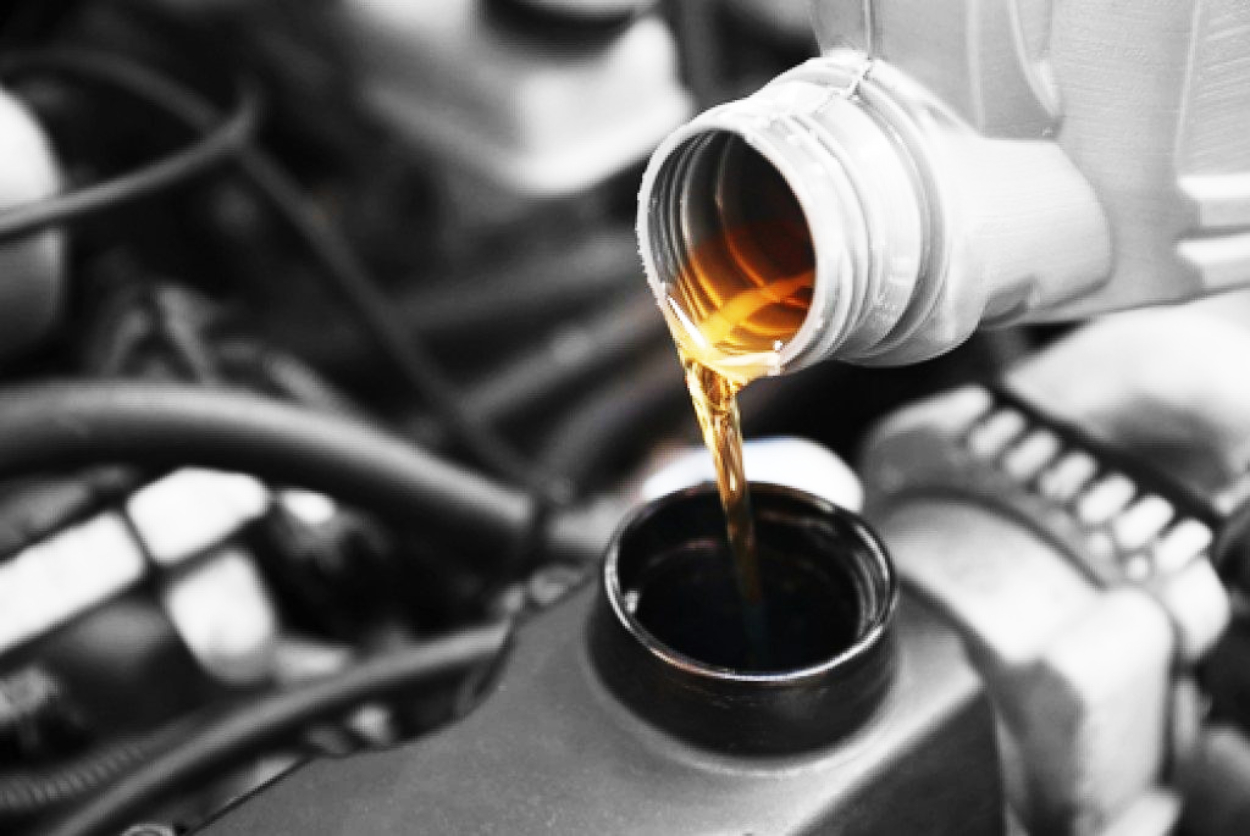 Just as you should store your lubricant correctly, you should also ensure you purchase the right amount of it. Since you are not going to use the lubricant daily and you will eventually have an idea of how much you need, make sure you buy as much as you need and use the products before the expiry date.
There could also be instances where the stickers on the packaging might be illegible or lost during transport. In such a scenario, it’s a good idea to contact the seller and ask for these dates. You need to prepare a system to know when to use your lubricants. Another important aspect of storing lubricants is to ensure that it is stored indoors and away from moisture. If you are scared of running out of lubricant then always stick to brands that are readily available.
Choose Your Packaging
You will see lubricant packaged mostly in drums, but there are other packaging options such as tanks, pails, and totes. You need to figure out which type of packaging suits your requirement. After all, you will be the one putting it into storage and removing it as and when needed. So, make sure that you choose packaging that’s easy for you to work with.
These were some of the best practices for using bearing lubrication to avoid wastage and overspending.

James Scott was born in Missouri and studied at the University of Central Missouri. Currently working as Manager at ActoutLoud, James Scott helps readers learn the fields of Law, Marketing, Construction, Education, Health, etc hone their skills, and find their unique voice so they can stand out from the crowd.
How to Cite This Article
James Scott. "Bearing Lubrication Best Practices." Act Out Loud, June 9, 2021. https://actoutloud.org/bearing-lubrication-best-practices/