The Ultimate Guide to Residential Safe Rooms: Protection, Cost & Design
What are residential safe rooms and are they worth it for Indian homeowners and investors?
Weather events, rising crime in some areas, and growing wealth all point to one need: a secure place at home where your family and valuables are always protected. That is exactly what residential safe rooms are built to do. For Indian investors and homeowners, they can be both a strong safety asset and a smart property upgrade.
This guide walks you through what these rooms are, how they work, what they cost, and how to plan one in an Indian context. You will also see how they compare to other security options and how they can support long-term wealth building.
By the end, you will be clear on whether a safe room fits your risk level, budget, and real estate strategy.
What is a residential safe room?
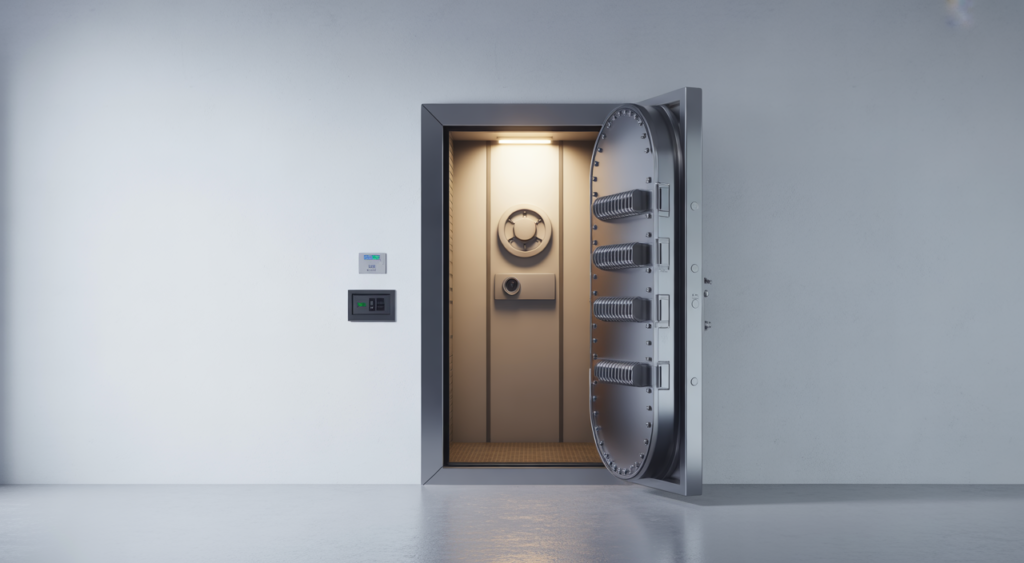
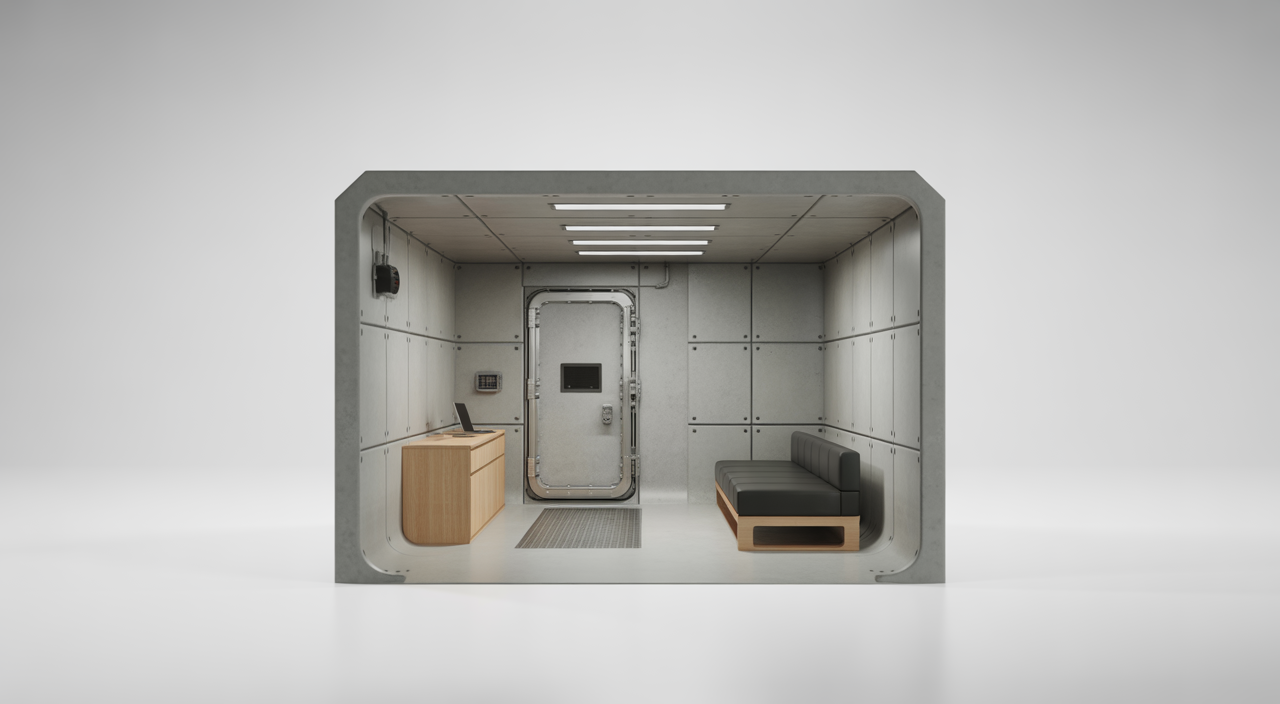
A residential safe room is a specially built space inside your home that can withstand extreme stress. Think of it as a fortified room with reinforced walls, a high-security door, and strong locking systems. It is designed to protect people from intruders, riots, and in some countries even severe storms.
In Western markets, safe rooms often follow official standards such as FEMA and UL guidelines, which define resistance to blasts, bullets, or strong winds. In India, there is no single national safe room code yet, but good builders borrow the same principles: stronger structure, certified materials, and tested doors and locks.
You may also hear terms like “panic room,” “home storm shelter,” or “residential security vault.” All describe a similar idea: a secure, hidden or semi-hidden place where you can move quickly and stay safe until help arrives.
Key benefits for Indian homeowners and investors
For Indian buyers, a safe room is more than a luxury feature. It offers clear practical and financial advantages.
- Family protection: In an emergency such as a break-in or civil unrest, you and your family can lock yourselves in and contact authorities from a safe place.
- Secure storage: Many families store jewellery, cash, important documents, and electronics at home. A fortified safe room gives you a better option than basic cupboards or small lockers.
- Higher property appeal: In premium markets like Mumbai, Delhi NCR, Bengaluru, Hyderabad, or Pune, a well-planned safe room can make your property stand out and support a higher resale value.
- Peace of mind: Knowing you have a strong last line of defence reduces day‑to‑day anxiety and frees you to focus on your work and family.
Like good health insurance, you hope you never need it, but you feel much calmer knowing it is there.
Types of residential safe rooms
Not every home needs an ultra‑heavy, bunker‑style room. You can choose from different levels based on risk, budget, and available space.
- Intruder‑resistant rooms: These focus on strong doors, frames, and locks with reinforced walls. Ideal for homes in high‑value urban areas worried mainly about burglary or armed robbery.
- Ballistic‑resistant rooms: Built with materials tested to resist bullets and heavy tools. These are more common for high‑net‑worth individuals, political figures, or people with higher personal risk.
- Hybrid safe rooms: Combine security features with basic disaster resistance, such as reinforced concrete and steel that can handle earthquakes or strong winds better than normal walls.
For most Indian city homes, a hybrid or intruder‑focused design is usually enough, especially when combined with CCTV, alarms, and trained security staff in gated communities.
How much does a home safe room cost?
Actual numbers will vary by city, material choice, and room size, but it helps to think in cost ranges and components.
1. Basic reinforcement: Converting an existing study or bedroom into a fortified safe room with a high‑security door, stronger wall panels, and upgraded locks may start from a moderate budget level and go up as you add features like communication systems and ventilation.
2. Mid‑range fortified safe room: A custom‑designed room with thicker walls, concealed entry, independent power backup, and better fire resistance will cost more, especially in metros where labour and material prices are higher.
3. High‑end, fully ballistic room: For very high‑risk profiles, costs rise further due to specialised ballistic materials, advanced access control, and integration with complete home security systems.
Beyond the build itself, also plan for:
- Design and structural consulting fees
- Any extra structural work in older buildings
- Ongoing checks and minor maintenance
Many owners spread the expense by planning the safe room when they are already doing a renovation or new construction. That way, structural changes and finishes are handled together.
DIY vs professional installation
Some global websites sell “DIY safe room kits.” For Indian conditions, that approach has clear limits.
- Structure: Many Indian apartments use different slab thickness, column spacing, and wall materials compared to Western homes. A local engineer must confirm loads and anchoring points.
- Permits and society rules: In a housing society or gated community, you may need approvals before making structural changes.
- Integration: A safe room works best when it connects smoothly with alarms, cameras, and the building’s power and ventilation systems.
Because of these points, working with an experienced safe‑room specialist is usually the wiser choice, especially if you are protecting high‑value assets. A good team will also give you a clear timeline, cost breakdown, and material list, similar to what you would expect from any other serious construction project.
Design and placement tips for Indian homes
Design is not just about strength; it is also about convenience and discretion. Here are some practical tips.
- Choose an accessible room: A central bedroom, walk‑in wardrobe, or study that family members can reach quickly is ideal. Avoid spaces that require going through long corridors during a crisis.
- Hide in plain sight: Many owners design the entrance as a normal wardrobe door or bookshelf to avoid drawing attention.
- Think services: Plan ventilation, lighting, charging points, and possibly a backup power source. Even a short‑term stay of a few hours should feel manageable.
- Plan storage: Keep a small first‑aid kit, power bank, torch, water bottles, dry snacks, and copies of key documents inside.
For more examples of how specialised spaces can be integrated smoothly into existing buildings, you can explore this guide on designing the right mezzanine platform for your warehouse. Many planning principles, like load calculations and efficient use of vertical space, are similar.
Will a safe room add value to your property?
In India, buyers at the premium end are increasingly aware of security and resilience. A well‑documented safe room with clear specifications can make your property more desirable, especially in luxury apartments and villas.
It can also complement other upgrades such as better doors, alarm systems, and surveillance. Combined, these can support higher rents or resale prices and position your property as “future‑ready” in a more uncertain world.
If you treat real estate as a long‑term investment, this kind of feature is similar to adding solar panels or high‑quality waterproofing: an upfront cost that supports both daily comfort and asset value.
Simple checklist before you invest
- Clarify your main risk: burglary, kidnapping risk, civil unrest, or a mix.
- Set a clear budget range and decide your preferred room size.
- Talk to a structural engineer if you live in a high‑rise building.
- Confirm any approvals needed from your housing society or local authority.
- Choose a trusted specialist with proven projects and clear specifications.
It can also help to review how other safety‑related projects are assessed and maintained over time, such as those described in this article on steps you can take to improve flat roof drain systems. A structured, step‑by‑step approach often leads to better results and lower long‑term costs.
FAQs on residential safe rooms for Indian investors
Q1. Where is the best place to locate a safe room in an Indian home?
For apartments, an internal bedroom or walk‑in wardrobe with no external windows is usually best. For villas, many owners choose a ground‑floor study or basement room that can be reinforced. The key is quick access, privacy, and the ability to strengthen walls and doors without major structural risk.
Q2. How long does it take to build a safe room?
For a simple conversion of an existing room, work can often be completed within a few weeks, especially if aligned with an ongoing renovation. More complex designs with custom ballistic materials, hidden entries, and independent systems can take longer. A good provider will give you a clear schedule covering design, approvals, material delivery, and on‑site installation.
Q3. Can a safe room double as a normal living space?
Yes. Many residential safe rooms are used daily as studies, home offices, or bedrooms. The security features are integrated into the structure and the door, so the room feels normal in day‑to‑day use but becomes a high‑protection space when needed.

James Scott was born in Missouri and studied at the University of Central Missouri. Currently working as Manager at ActoutLoud, James Scott helps readers learn the fields of Law, Marketing, Construction, Education, Health, etc hone their skills, and find their unique voice so they can stand out from the crowd.
Frequently Asked Questions
What is a residential safe room and how does it differ from other security features?
Why should Indian homeowners consider installing a safe room?
What types of residential safe rooms are available for Indian homes?
How much does it cost to build a safe room in an Indian home?
Should I attempt a DIY safe room installation or hire a professional in India?
How to Cite This Article
James Scott. "The Ultimate Guide to Residential Safe Rooms: Protection, Cost & Design." Act Out Loud, April 15, 2026. https://actoutloud.org/the-ultimate-guide-to-residential-safe-rooms-protection-cost-design/