Complete Guide to Media Wall Installation in the UK (DIY & Professional)
What should you know before planning a media wall installation?
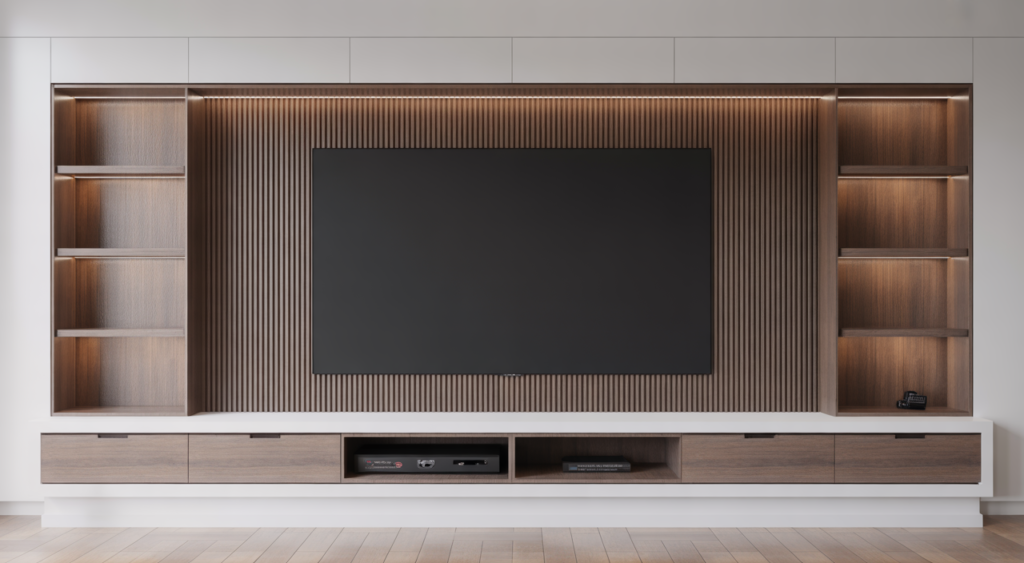
A media wall is a custom feature wall that holds your TV, speakers, set-top box, gaming consoles, and storage in one sleek unit. It hides cables, frames your screen, and turns a plain wall into a stylish focal point. With the right planning, media wall installation can make your living room look modern and clutter free.
In the UK, more homeowners are choosing built-in media walls instead of bulky TV stands. You can go for a simple floating panel or a full-height unit with shelves, lighting, and storage. The key is to balance design, budget, and safety.
This guide walks you through planning, basic DIY steps, and what to expect when you hire professionals. It is useful whether you live in a compact city flat or a large suburban home.
Why choose a media wall?
A well-designed media wall makes your TV area look clean and high-end. It turns a basic screen into a statement feature wall behind the TV. You can add shelves for décor pieces, books, or family photos to create a warm, personal look.
Storage is another big benefit. You can tuck away remotes, game controllers, and cables inside built-in units. Good cable management solutions also protect wires and make cleaning easier.
You can install a basic TV feature wall yourself if you have some DIY experience. For complex layouts, heavy screens, and lighting, professional media wall installation is safer and often faster.
Planning your media wall project
Good planning saves time, money, and stress. Before picking colours and finishes, focus on three things: measurements, materials, and budget.
Measuring and site survey
Start by measuring the wall where the media unit will go. Note the width, height, and any sockets, switches, or radiators. Measure your TV and speakers too, so the design fits neatly around them.
Check the wall type. A solid brick or concrete wall can support more weight. A hollow partition or plasterboard wall may need extra framing to safely hold a large TV and shelves.
Choosing materials
Most media walls use a mix of timber framing, plasterboard, MDF or plywood, and decorative finishes. MDF is popular for shelves and cabinets because it paints well and has a smooth surface. Plywood works nicely if you prefer a natural wood look.
For the front finish, you can use paint, laminate, stone-effect panels, or textured wall panels. Soft neutral shades suit minimalist designs, while darker tones create a cosy home theatre feel. Many homeowners also add LED strip lighting behind shelves for a soft glow.
Budgeting and UK cost ranges
Costs vary across the UK depending on size, materials, and labour. As a simple guide, a basic TV feature wall with a panel and a few shelves can start from a modest budget range. A full-height bespoke media wall with storage, lighting, and premium finishes can cost several times more.
DIY can reduce expenses if you already own tools. Professional installation, however, offers accuracy, cleaner finishes, and often guarantees on workmanship. For high-value homes, this can add long-term value and peace of mind.
Step-by-step DIY overview
If you enjoy hands-on projects, you can handle a simple, wall-mounted TV surround yourself. Work slowly and follow safety rules at each stage.
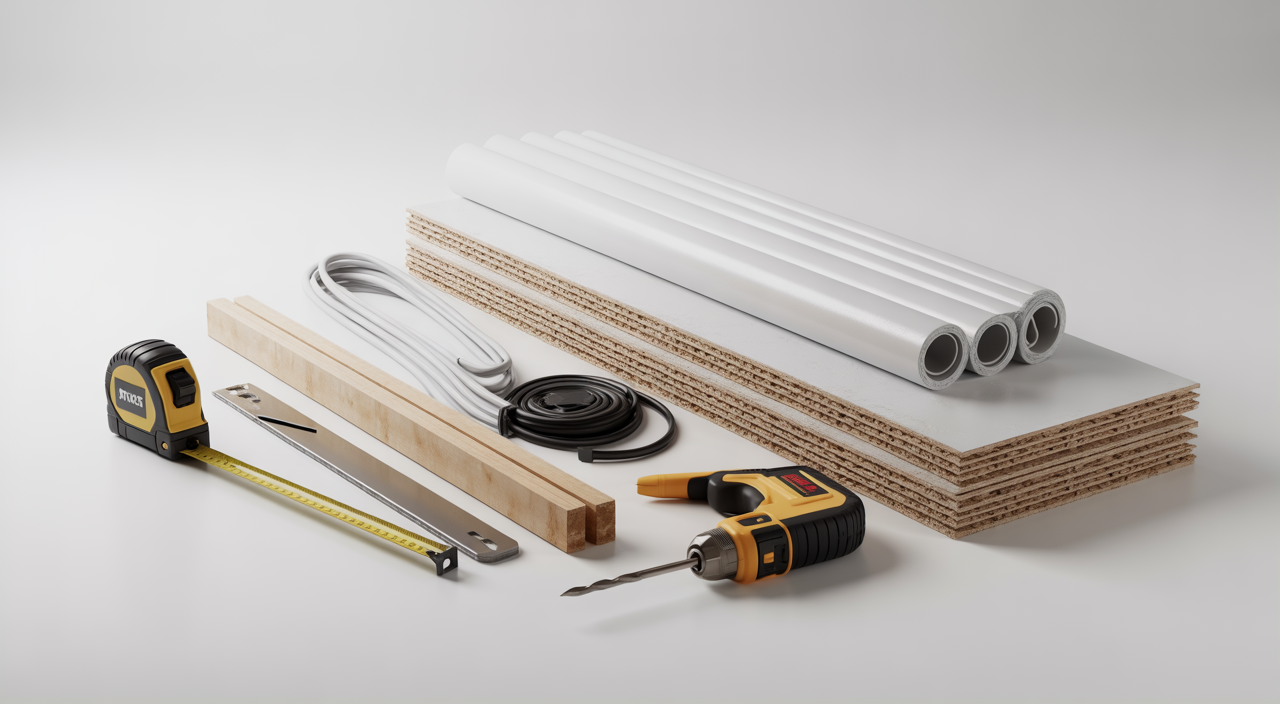
Tools and materials checklist
- Measuring tape, pencil, level, and stud finder
- Saw, drill, screws, wall plugs, and brackets
- Timber battens or metal studs for framing
- Plasterboard or panels, filler, and sandpaper
- Paint or decorative wall panels
- Cable trunking or conduits for wiring
Wall preparation and framing
Mark the TV centre line and the outline of the new structure on the wall. Use a level so everything is straight. Fix vertical and horizontal battens or metal studs to build the frame that will hold the TV, shelves, and panels.
Leave room for ventilation around the TV and any media boxes. Heat builds up if the equipment is completely sealed, which can reduce its life.
Panels, storage, and cable management
Once the frame is ready, add plasterboard or other panels. Secure them properly and fill screw holes and joints for a smooth finish. Fit pre-made cabinets or build simple box shelves from MDF for storage.
Plan cable routes before closing the frame. Use conduits or trunking for power cables, HDMI, speaker wires, and network cables. This keeps wires hidden but still accessible for future upgrades.
Finishing touches and care
After sanding and painting, add the TV bracket, shelves, and decorative items. Install LED strips or spotlights if you want media wall lighting ideas like backlit shelves or a glowing TV surround.
To keep everything fresh, wipe surfaces regularly and check that cable channels are not overloaded. This routine care keeps your feature wall looking new for years.
Professional media wall installation: what to expect
Many UK homeowners prefer to hire specialists for a bespoke media wall. A professional team typically starts with a home visit or video consultation. They discuss your style, room size, and equipment, then share design options and a clear quote.
On installation day, they protect floors and furniture, handle all framing, wiring, and finishing, and test all devices before leaving. You get a balanced design, safe TV mounting, neat cable management, and a high-quality finish without DIY trial and error.
If you like reading about smart home upgrades, you may also enjoy this guide on beginner-friendly home installation projects. The same planning mindset applies to any big change at home.
Media wall design ideas
There is no single “right” design. Your living room media wall should suit your taste and lifestyle. A minimalist style uses slimline units, hidden storage, and clean lines. It works well in smaller city flats.
For larger homes, a built-in media wall can stretch across the whole room. You can combine closed cabinets below with open shelves above to display art and décor. Floating shelves or a floating panel system give a modern, airy feel.
Lighting lifts the design. Add warm LED strips under shelves, along niches, or behind the TV panel to create a soft halo effect during movie nights.
Does a media wall add value?
A well-built media wall can increase the appeal of your property by making the living space feel organised and premium. Many buyers love an integrated entertainment centre because it removes the need for extra furniture.
When paired with other thoughtful upgrades, like good flooring and smart storage, it can create a strong first impression. For broader inspiration on how smart design can improve everyday life, see this practical article about choosing the right finishes and fittings for your home.
FAQs on media wall installation
Q1. How long does a media wall installation usually take?
For a simple wall-mounted TV feature with a panel and a few shelves, skilled installers may finish within one to two days. A larger bespoke media wall with framing, plastering, painting, lighting, and lots of storage can take around three to five days, depending on room size and drying times for finishes.
Q2. Can I use my existing TV and speakers with a new media wall?
Yes, most designs can be planned around your current TV, soundbar, and speakers. During the design stage, share exact sizes and cable needs with your installer. They can then create spaces, cable routes, and brackets that fit your existing equipment while leaving room for future upgrades.
Q3. Do I need special permission to build a media wall in the UK?
In most UK homes, you do not need planning permission for internal features like a media wall, as long as you are not altering structural walls or shared building systems. If you live in a listed building or a rented property, always check with the local authority or your landlord before starting work.

James Scott was born in Missouri and studied at the University of Central Missouri. Currently working as Manager at ActoutLoud, James Scott helps readers learn the fields of Law, Marketing, Construction, Education, Health, etc hone their skills, and find their unique voice so they can stand out from the crowd.
Frequently Asked Questions
What should I consider before starting a media wall installation in the UK?
How much does a media wall typically cost in the UK?
Can I install a media wall myself or should I hire a professional?
What are the key steps involved in DIY media wall installation?
How can lighting enhance my media wall design?
How to Cite This Article
James Scott. "Complete Guide to Media Wall Installation in the UK (DIY & Professional)." Act Out Loud, March 9, 2026. https://actoutloud.org/complete-guide-to-media-wall-installation-in-the-uk-diy-professional/