Why Switching Dredge Manufacturer Could Save You Money?
Last Updated:
Switching your dredge manufacturer could lead to notable cost savings beyond just the initial price tag. Efficient equipment from reputable manufacturers often lowers fuel use and requires less maintenance, which cuts down long-term operational expenses. Modern dredges with advanced technology like GPS guidance and automation improve precision and reduce waste, helping projects finish faster with fewer delays. Additionally, manufacturers that offer easy-to-transport or modular dredges can reduce mobilization costs significantly. Better support services and warranties also minimize downtime and repair expenses. Overall, choosing the right manufacturer suited for your project’s sediment type and scale can improve productivity while lowering total lifecycle costs.
How Equipment Costs Impact Your Dredging Budget?
When considering a dredge manufacturer, the initial purchase price is just one piece of the cost puzzle. Fuel consumption, ongoing maintenance, and equipment downtime often have a much bigger effect on the total project budget. Investing in higher quality dredges from trusted manufacturers usually means better durability, which translates to fewer repairs and lower maintenance expenses over time. Equipment that matches the specific sediment type and depth of your project helps optimize fuel use and reduces wear, cutting operational costs. Modern dredges with efficient hydraulic systems consume less power, making a noticeable difference in fuel expenses during long projects. Additionally, longer equipment life cycles mean you won’t need to replace gear as often, saving on capital costs. Dredges designed for extended run-times boost productivity, lowering the cost per cubic yard dredged by maximizing output and minimizing idle time. Integrated diagnostic features can spot problems early, preventing costly breakdowns before they happen. Compact and modular dredge designs also keep transport and mobilization costs down, which is often overlooked but can add up. Financing new or upgraded equipment may provide better long-term savings compared to renting older, less efficient dredges. Finally, choosing a manufacturer that offers strong support and ready access to spare parts helps keep downtime and repair costs to a minimum, directly benefiting your bottom line.
- Initial equipment purchase price is just one part of total project costs, with fuel, maintenance, and downtime having major impact.
- Higher quality dredges from reputable manufacturers often have better durability, reducing frequency and cost of repairs.
- Equipment suited to specific sediment types and depths optimizes fuel use and reduces wear.
- Modern dredges with efficient hydraulics consume less power, lowering operational expenses over time.
- Longer equipment life cycles reduce replacement frequency and capital expenditures.
- Equipment that supports longer run-times increases productivity and lowers cost per cubic yard dredged.
- Dredges with integrated diagnostics can prevent costly breakdowns through early detection.
- Compact and modular designs can reduce transport and mobilization expenses.
- Financing options for new or upgraded equipment may offer long-term savings compared to renting older dredges.
- Choosing equipment with strong manufacturer support and available spare parts lowers downtime costs.
Reducing Mobilization and Transport Expenses
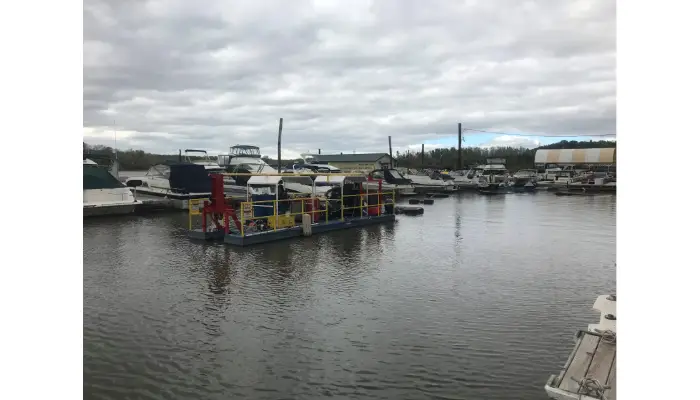
Choosing a dredge manufacturer that offers modular or compact equipment can significantly cut mobilization costs by speeding up loading, unloading, and transport. Dredges designed to fit standard shipping containers lower freight charges and reduce the need for oversized transport vehicles. Lightweight equipment further reduces fuel consumption and labor expenses because it requires smaller trucks and fewer personnel for handling. Simplified assembly and disassembly processes mean fewer labor hours spent on-site, which helps avoid costly project delays and extra site fees. Additionally, working with manufacturers that have regional facilities or local support can shorten shipping distances, minimize customs and import taxes, and speed up spare parts delivery. Some manufacturers even provide rental options near project locations, eliminating long-distance transport entirely. Transport-friendly designs also reduce the risk of damage during shipment, preventing expensive repairs before the dredge even reaches the site. All these factors combined help projects start faster and stay within budget by lowering upfront mobilization expenses and reducing the chance of costly hold-ups.
Choosing Dredges for Sediment Type and Depth
Selecting the right dredge starts with understanding the sediment type and depth of your project. Soft mud, sand, clay, and rock all demand different cutter heads and pump capacities to maintain efficiency. Matching the dredge to sediment hardness not only reduces cutter wear but also cuts energy consumption, saving money on maintenance and fuel. For example, using a dredge with a cutter head designed for soft mud on rocky sediment will cause excessive wear and frequent downtime. Depth capability is equally important. Choosing a dredge that fits your project’s depth avoids the pitfalls of underperformance or paying for oversized equipment that isn’t needed. Hydraulic dredges generally offer better adaptability across varying sediments compared to mechanical dredges because they allow easier adjustment of cutter heads and pump sizes. Many manufacturers now provide customizable options, letting you tailor equipment to your sediment conditions, which improves efficiency and minimizes downtime caused by clogging or excessive wear. Dredges designed for deep sediment removal often include optimized power systems that reduce fuel use, further lowering operational costs. Advanced features like slurry flow monitoring help operators adjust work in real time as sediment conditions change, maintaining optimal performance. Properly matching dredge size to sediment density also prevents unnecessary energy use and strain on the equipment. Consulting with manufacturers about sediment-specific options can reduce risks, improve project outcomes, and ultimately save money over the dredging lifecycle.
Longer Run-Times Boost Production and Cut Costs
Dredges designed for longer continuous operation significantly reduce downtime, allowing more material to be moved within each project hour. This means less time lost to shift changes and equipment setup, which directly lowers labor costs. Reliable machines with robust components sustain consistent runtimes without frequent breakdowns, improving overall project efficiency. Manufacturers that focus on extending duty cycles help shorten project timelines and reduce rental periods, which can cut overhead and permit fees. Continuous operation also reduces fuel waste caused by repeated stop-start cycles, making fuel use more efficient. Improved cooling and filtration systems in modern dredges increase engine life and cut maintenance needs, further driving down operating expenses. Remote monitoring technology enables proactive maintenance, preventing unexpected failures and supporting longer runtimes. When run-time scheduling is optimized with efficient dredges, work output maximizes within allowed operating hours. Choosing a manufacturer proven to deliver long, reliable runtimes helps improve project predictability and cost control, resulting in faster completion and overall savings.
Why Operational Efficiency Beats Low Purchase Price?
Choosing a dredge based solely on a low upfront price often leads to higher operating costs over time. Cheaper dredges typically have less efficient engines and pumps, resulting in greater fuel consumption that quickly erodes any initial savings. Additionally, lower quality equipment tends to break down more frequently, causing costly repairs and unplanned downtime that delay project completion and inflate labor expenses. On the other hand, dredges designed for operational efficiency use less fuel and require fewer labor hours per cubic yard dredged, which reduces overall project costs. Faster project completion also cuts down rental fees and site overhead, making a higher initial investment more economical in the long run. Manufacturers who tailor their equipment to specific project conditions help avoid wasted energy and reduce wear on components, extending machine life and lowering replacement parts costs. Advanced features like automation help minimize operator errors and increase consistency, further improving productivity. Reliable dredges mean fewer emergency repairs and less downtime, which translates directly into cost savings. When evaluating dredging equipment, considering total cost of ownership, including fuel, labor, maintenance, and downtime, shows why operational efficiency is a smarter choice than just the lowest purchase price.
Fuel and Maintenance Savings with Modern Dredges
Modern dredges come equipped with fuel-efficient engines that meet the latest emission standards, which directly lowers fuel expenses. Many newer models feature optimized hydraulic systems designed to minimize power losses, ensuring that energy use matches the actual load requirements instead of wasting fuel. This improved efficiency can translate into significant operational cost reductions, as fuel often represents a large portion of dredging expenses. Additionally, advanced condition monitoring systems alert operators early to potential problems, helping avoid costly breakdowns and unplanned downtime. Improved filtration and cooling systems extend engine life and lengthen maintenance intervals, reducing the frequency and cost of servicing. Modular components in modern dredges make repairs simpler and faster while also lowering the need to stock a wide range of spare parts. Some manufacturers now offer electric and hybrid dredges, which can deliver even greater fuel savings and reduce engine wear compared to traditional diesel-powered machines. Lower vibration and noise levels in these designs also help decrease wear on mechanical parts, contributing to longer equipment life and fewer repairs. Many manufacturers bundle maintenance plans with their equipment, helping operators better control service costs over time. Taken together, these advances mean fuel and maintenance savings from switching to a modern dredge can represent a substantial share of overall operational cost reductions.
Faster Project Completion Lowers Overall Expenses
Efficient dredge operation directly shortens the project timeline, which means less money spent on labor and equipment rentals. The quicker a project wraps up, the lower the overhead costs such as security, permits, and insurance become. Reducing the duration also cuts down the risk and expenses tied to weather delays, which can otherwise push costs up unexpectedly. When equipment is freed up sooner, it can be redeployed to new projects, increasing its utilization and return on investment. Manufacturers that offer faster, more productive dredges help contractors meet tight deadlines, avoiding penalties and boosting client satisfaction. Shorter projects also mean less indirect spending on management and administration, streamlining overall expenses. Additionally, completing dredging work promptly reduces the time environmental habitats are disturbed, potentially easing regulatory compliance and related costs. Fuel consumption drops as the dredging effort is condensed, saving money over the entire project lifecycle. Modern dredges with streamlined operations speed up billing cycles, improving cash flow and reducing financial strain during the project.
Benefits of Advanced Technology in New Dredges
Modern dredges come equipped with advanced technology that directly contributes to cost savings and improved project outcomes. Integration of GPS and sonar systems allows for precise dredge positioning, minimizing over-dredging and reducing material waste. Slurry flow sensors help optimize pump operation, ensuring efficient transport of sediment while lowering energy consumption. Automation features simplify operator tasks, leading to more consistent dredging performance and fewer mistakes, which in turn cuts operational costs. Remote diagnostics and monitoring enable proactive maintenance, reducing unexpected downtime by catching issues early. Data logging capabilities provide valuable insights into performance trends, allowing operators to fine-tune processes and improve efficiency on future projects. New cutter heads made with wear-resistant materials extend service life, decreasing the frequency and expense of replacements. Hybrid power systems offer flexibility in energy use, reducing reliance on fuel and lowering operating costs. Enhanced user interfaces reduce training time and operator errors, making crews more productive faster. Some manufacturers also provide integration with project management software, improving coordination and reporting, which helps keep projects on schedule and budget. Additionally, technology upgrades often include firmware updates that further boost dredge efficiency without requiring new hardware. Altogether, these technological improvements in new dredges lead to lower fuel use, reduced maintenance, less downtime, and better project control, making switching to a manufacturer with these advanced features a smart financial move.
Electric and Hybrid Dredges Cut Fuel and Repair Costs
Switching to electric or hybrid dredges can significantly lower operating expenses by cutting fuel consumption and reducing maintenance needs. Electric dredges eliminate the need for diesel fuel altogether, which not only reduces costs but also lowers emissions, helping operators meet environmental regulations and potentially qualify for tax incentives. Hybrid dredges optimize fuel use by combining electric power with diesel, adjusting energy consumption based on load conditions to maximize efficiency. Electric motors have fewer moving parts than traditional diesel engines, which means less wear and tear, fewer breakdowns, and reduced repair costs. Additionally, electric models generate less vibration, extending the lifespan of critical components and decreasing the frequency of costly replacements. Battery-powered dredges operate quietly, which can help avoid noise-related fines or restrictions in sensitive areas. The simpler powertrains in electric dredges also reduce mechanical complexity, leading to less downtime during repairs. Electric systems produce less heat, easing the load on cooling systems and cutting associated maintenance expenses. Hybrid dredges offer greater flexibility by allowing operations in locations with limited fuel access, avoiding expensive fuel transport logistics. Finally, manufacturers specializing in electric dredges often provide tailored support and upgrade paths that enhance long-term savings, making the switch a smart financial move for many dredging operations.
Hydraulic Dredging Equipment Offers Higher Production
Hydraulic dredges use fluid power to deliver steady cutter and pump performance, making sediment removal more efficient across different conditions. Unlike mechanical dredges, hydraulic systems adjust smoothly to varying sediment types and depths without needing major changes to hardware. This adaptability results in higher production rates, which can speed up project completion and reduce labor costs. The fluid-driven forces spread evenly, lowering mechanical wear and cutting down on maintenance expenses over time. Many hydraulic dredges feature simpler designs with fewer moving parts, improving reliability and minimizing downtime. They also incorporate energy-efficient pumps that match output to actual demand in real time, saving fuel and power. Manufacturers often offer customizable hydraulic setups, allowing operators to optimize equipment for specific site needs. Additionally, hydraulic dredging generates less noise and vibration, enhancing operator comfort and helping meet environmental regulations. Advanced control systems provide precise excavation, preventing over-dredging and unnecessary disposal costs. Repairs tend to be easier and faster on hydraulic units, thanks to accessible components and straightforward maintenance, further reducing downtime and operating expenses.
Lower Labor Costs with Remote Monitoring and Automation
Switching to a dredge manufacturer that offers remote monitoring and automation can significantly reduce labor costs. Remote monitoring cuts down the need for constant on-site supervision, which means fewer labor hours spent managing the equipment directly. Automation takes over repetitive tasks such as pump controls and slurry flow regulation, reducing the amount of manual labor required and minimizing human error. With less manual intervention, issues get resolved faster, and remote diagnostics allow technicians to troubleshoot problems without the delay and expense of travel. Automated systems also optimize equipment run-times, preventing unnecessary labor during idle periods. This combination lowers labor costs by reducing the number of operators needed and simplifying complex equipment management. Additionally, user-friendly automated controls lower training demands, making it easier to onboard operators and reducing dependency on highly specialized labor. Remote alerts enable quick responses to equipment faults, which helps prevent costly downtime caused by delayed intervention. Automation also supports smoother shift changes, further cutting labor overhead and improving overall operational efficiency.
Better Support and Warranty Reduce Unexpected Repairs
Switching to a dredge manufacturer that offers better support and warranty coverage can significantly lower your repair expenses, especially in the first few years of operation. Comprehensive warranties that include wear items common in abrasive dredging help ease the financial burden of frequent replacements. Manufacturers with strong support networks ensure timely delivery of spare parts, which minimizes downtime and keeps projects on schedule. Access to expert technicians through the manufacturer cuts troubleshooting time, preventing small issues from turning into costly repairs. Many manufacturers also provide preventive maintenance programs and operator training as part of their support contracts, enabling your team to maintain equipment properly and avoid unexpected breakdowns. Remote support options allow for quick diagnosis and fixes without waiting for on-site visits, further reducing delays. Reliable manufacturer backing means fewer project interruptions caused by equipment failures, leading to more predictable maintenance budgets and a lower total lifecycle cost for your dredging operations.
How Custom Equipment Fits Project Needs and Saves Money?
Custom dredges are designed to match the specific demands of a project, which directly impacts cost savings. When equipment is tailored to handle the exact sediment type, it works more efficiently, leading to higher productivity and less wasted effort. Right-sized dredges avoid using excessive power, which lowers fuel consumption and reduces operational expenses. Custom features also allow the dredge to fit within site constraints, making mobilization simpler and less costly. By matching cutter heads and pumps to the hardness of the sediment, wear is minimized, cutting down on maintenance and replacement costs. Equipment built for local water conditions runs more reliably, preventing performance drops and equipment strain. Optimized layouts improve material flow, shortening project timelines and reducing labor costs. Including environmentally friendly components helps ease regulatory compliance, avoiding penalties or delays. Custom dredges often eliminate the need for extra machinery, lowering capital outlay. Overall, equipment designed around project specifics reduces risk and prevents costly adjustments during operations, contributing to smoother projects and significant money savings.
Rental vs Purchase: Flexible Options for Cost Control
Renting dredges allows access to the latest technology without the need for a large upfront investment, making it a smart choice for short-term or intermittent projects. Rental contracts offer flexibility to scale equipment size and capacity based on the project’s duration and scope, helping manage cash flow and avoid unnecessary expenses. Additionally, rentals often include maintenance, storage, support, and training services, reducing overhead and eliminating the need to budget for repairs or downtime. On the other hand, purchasing dredges makes sense for long-term projects with predictable, frequent dredging needs. Ownership builds asset equity and allows for customization to fit specific project requirements, but it also requires budgeting for ongoing maintenance, repairs, and storage. Rental fleets may offer modular and standardized units that increase adaptability across different sites, while purchased equipment can be tailored more precisely. Ultimately, deciding between rental and purchase depends on factors like project frequency, budget constraints, and the level of operational flexibility needed to control costs effectively.
Environmental Compliance and Its Impact on Project Costs
Choosing a dredge manufacturer that prioritizes environmental compliance can significantly reduce project costs. Newer dredges often feature advanced sediment containment systems that minimize the release of fines, helping contractors avoid costly penalties and fines. Improved water management technologies built into modern dredges lower the expenses related to water treatment and disposal. Compliance-friendly designs also reduce the time and money spent on environmental monitoring and reporting, since they simplify regulatory requirements. Electric and hybrid dredges cut emissions, making it easier to meet air quality standards and prevent costly project interruptions. Manufacturers with expertise in environmental regulations can assist in navigating permitting processes more efficiently, saving valuable time. Additionally, equipment designed to control sediment flow and reduce habitat disruption often faces fewer regulatory hurdles and community objections, preventing delays. Some environmentally tailored dredges may even qualify projects for green incentives or tax breaks, further lowering costs. Investing in such compliant equipment reduces the risk of expensive retrofits or shutdowns due to non-compliance. Overall, selecting a dredge manufacturer focused on environmental compliance not only supports sustainable operations but also protects your bottom line by avoiding fines, speeding approvals, and cutting ongoing environmental management costs.
Real-World Savings: Comparing Old vs New Dredge Performance
Switching from older dredge models to newer equipment can lead to substantial cost savings in real-world operations. New dredges typically use about 25% less fuel on comparable tasks, which directly lowers one of the biggest ongoing expenses in dredging projects. Beyond fuel savings, modern dredges offer faster cycle times that can shorten total project duration by up to 30%. This speed reduces labor costs and equipment rental fees, allowing projects to finish sooner without sacrificing quality.
Reliability is another key factor: newer dredges experience fewer breakdowns, meaning unplanned maintenance and downtime are significantly reduced. This reliability stems from improved pump and cutter designs that extend the life of critical components, cutting replacement frequency and costs. Advanced automation features also help by reducing operator fatigue and minimizing human error, which improves overall productivity on site.
Remote monitoring technology found in modern dredges allows maintenance teams to anticipate issues before they become costly failures, further decreasing unexpected expenses. Additionally, newer dredges tend to produce less environmental contamination, helping projects avoid expensive mitigation measures and regulatory penalties.
Though newer dredges often come with a higher upfront price, the combination of fuel savings, faster completion, and lower maintenance costs means that total project expenses are ultimately lower. Case studies consistently show that these operational efficiencies outweigh initial price differences over the dredge’s lifecycle. Projects become more predictable and easier to budget for, as better equipment performance reduces surprises and delays.
For example, two identical pond dredging projects showed that the newer dredge completed the job 30% faster while using 25% less fuel and requiring no unplanned repairs. This translated into a significant overall cost reduction, proving that investing in newer dredge technology and switching manufacturers can be a financially smart move.
Frequently Asked Questions
1. How can the technology differences between dredge manufacturers impact operational efficiency?
Different manufacturers may use varying technologies that affect how quickly and effectively a dredge works. More advanced or specialized equipment can reduce downtime and improve material handling, which means you get more done in less time and with fewer issues.
2. In what ways does switching dredge manufacturers influence equipment reliability and maintenance needs?
Changing to a manufacturer known for reliable machines can lead to less frequent breakdowns and easier maintenance. Some manufacturers design their dredges with better durability and readily available parts, resulting in smoother operations and less unexpected repair work.
3. What role does customization play when deciding to switch dredge manufacturers?
Some manufacturers offer more customization options to fit specific project requirements. By switching, you might get a dredge better suited to your work conditions, which can improve performance, reduce wear and tear, and lower overall operational stress.
4. How might the support and expertise of a new dredge manufacturer contribute to long-term cost savings?
Manufacturers who provide strong technical support and training can help you avoid mistakes that lead to equipment damage or inefficiencies. Better support means your team stays informed about best practices, which helps keep the dredge running smoothly and reduces unexpected issues.
5. Can switching dredge manufacturers affect energy consumption, and how does that translate to cost savings?
Yes, newer or more advanced dredges often use energy more efficiently through better engines or hydraulic systems. Reduced fuel or electricity use lowers operating expenses, so choosing a manufacturer with a focus on efficiency can save money over the life of the equipment.
TL;DR Switching dredge manufacturers can save money by improving equipment efficiency, cutting fuel and maintenance costs, and reducing project timelines. Modern dredges offer advanced technology like automation, hybrid power, and remote monitoring, which boost productivity and lower labor expenses. Better support and customization from newer manufacturers also limit downtime and unexpected repairs. While cheaper equipment might seem appealing upfront, investing in efficient, well-supported dredges ultimately reduces total operational costs and helps finish projects faster and more reliably.

James Scott was born in Missouri and studied at the University of Central Missouri. Currently working as Manager at ActoutLoud, James Scott helps readers learn the fields of Law, Marketing, Construction, Education, Health, etc hone their skills, and find their unique voice so they can stand out from the crowd.
Frequently Asked Questions
Why could switching my dredge manufacturer save me money in the long run?
How does the initial equipment cost affect my overall dredging project budget?
Can choosing modular and compact dredges help reduce mobilization costs?
What should I consider when selecting a dredge based on sediment type and depth?
How does extending a dredge’s run-time benefit my project and expenses?
How to Cite This Article
James Scott. "Why Switching Dredge Manufacturer Could Save You Money?." Act Out Loud, March 26, 2025. https://actoutloud.org/why-switching-dredge-manufacturer-could-save-you-money/