What Should Architects Look For In Collaborative Design Platforms?

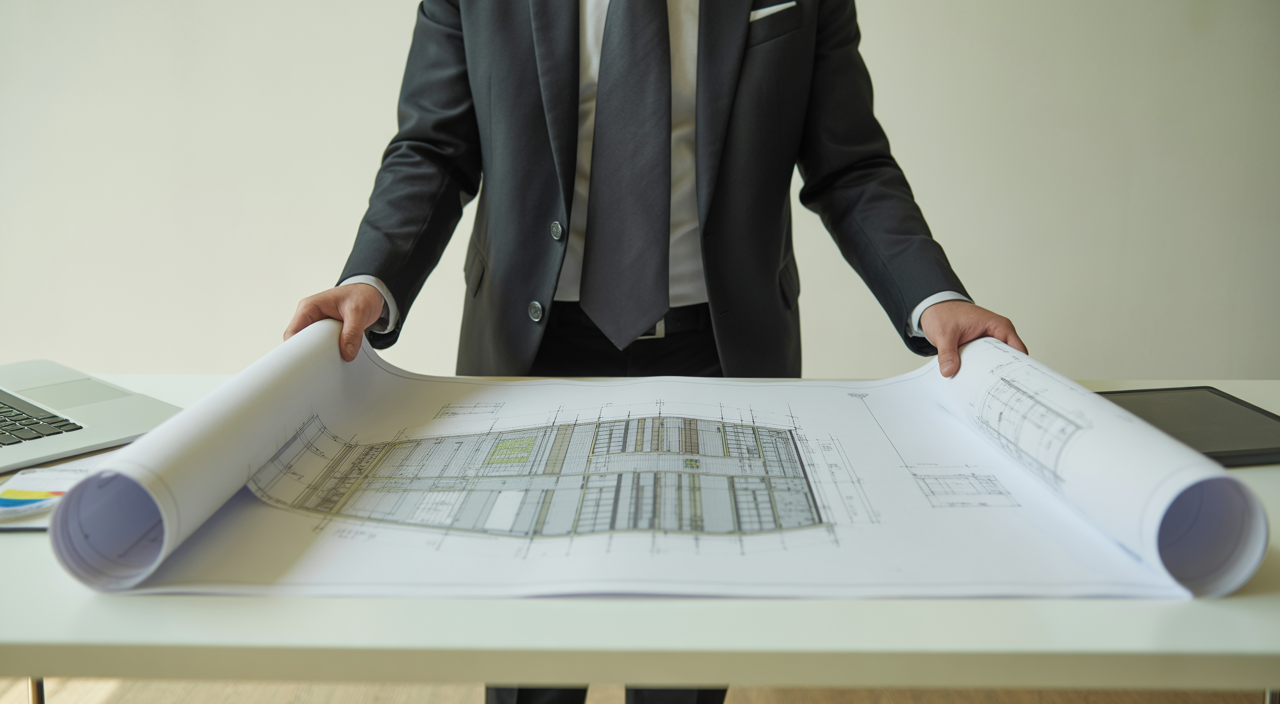
If you work in architecture today, you already know that email threads and scattered files slow you down. Clients expect faster options, cities want cleaner drawings, and teams are often spread across different cities or even countries. This is where collaborative design platforms architects use every day can completely change how a project runs.
In this guide, we will walk through what these platforms really do, the key features to watch for, and how a solution like Housebuild can support smoother homebuilding projects. The focus is on practical points you can apply right away, especially if you are an Indian architect dealing with tight timelines, demanding clients, and complex local approvals.
Think of this as a roadmap to choose tools that reduce rework, keep your team aligned, and help you grow your practice with confidence.
Why Collaboration Matters So Much In Architecture
Architecture is a team sport. You are not only working with your own design team, but also with structural consultants, services engineers, contractors, suppliers, and clients. If everyone works in different tools, or on outdated file versions, mistakes are almost guaranteed.
Good collaborative platforms bring everyone into a single digital space. Designs, schedules, and comments live together. People work on the same truth, not outdated files. This leads to fewer clashes, fewer RFIs, and smoother site execution.
For Indian projects, where on-site changes are common and stakeholder lists are long, a well-chosen platform can be the difference between a stressful job and a calm, controlled process.
What Collaborative Design Platforms For Architects Actually Do
In simple terms, these platforms are online tools that support the full design process. They usually include:
- Cloud storage so your drawings and models are always accessible and backed up.
- Version control, which means you can track every change and roll back if needed.
- Real-time collaboration, so multiple team members can review and comment at the same time.
- Task and workflow management, to assign responsibilities and keep deadlines clear.
- Client and contractor access, so they see exactly what they need without endless emails.
Some tools focus only on drawings or BIM models. Others, like Housebuild, aim to support the full homebuilding journey, from concept to completion.
Key Features Architects Should Prioritise
Not every platform fits every practice. Before you choose, list your typical projects and workflows, then check for these features.
- Strong design coordination tools: The platform should handle large drawings and, ideally, 3D models smoothly, without lag.
- Easy mark-up and review: Team members and clients should be able to comment directly on drawings, with clear timestamps and names.
- Real-time model or file sharing: When you update a plan, everyone should see the latest version instantly.
- Access control: You should decide who can view, comment, or edit, especially for sensitive client data.
- Simple interface: If the tool is complex, adoption falls. Pick a platform that even non-technical clients can navigate.
For many Indian firms, bandwidth and hardware are also concerns. Cloud-based tools that are light and mobile-friendly can be a big advantage.
How Housebuild Fits Into The Collaboration Ecosystem
Housebuild is designed as an end-to-end homebuilding platform that supports architects, builders, and homeowners in one place. Instead of juggling separate tools for design, communication, and project tracking, you can keep everything in one connected system.
Some helpful ways architects can use Housebuild include:
- Central project hub: All drawings, specifications, and discussions stay linked to each project, so nothing gets lost.
- Clear communication with clients: Clients can see progress, comment on proposals, and approve stages with less confusion.
- Closer builder coordination: Builders get access to the latest approved information, reducing site queries and delays.
This holistic approach supports the same goals as other top collaborative design platforms architects rely on, but with a special focus on residential and small to mid-size projects, which are common in India.
Practical Tips To Choose The Right Platform
If you manage or own a growing practice, choosing a platform can feel like a big decision. Here are simple steps to keep the process smooth.
- Map your typical project journey: From first client meeting to handover, list each step and who is involved. This will show where collaboration tools are most needed.
- Check integration with existing tools: Make sure the platform plays well with your current design software and file formats.
- Start with one pilot project: Test the platform on a medium-sized project. Track how many RFIs, site visits, and revisions you handle compared to past jobs.
- Involve your team early: Ask junior and senior staff to test the platform. Their feedback on usability is essential for long-term success.
- Watch the numbers: Measure time saved on coordination, reduction in errors, and client satisfaction. These metrics prove the return on your investment.
To explore how better systems can support physical project spaces as well, you may also like this guide on designing the right mezzanine platform for your warehouse, which highlights practical planning and coordination ideas.
Benefits For Indian Architects And Developers
For Indian professionals, collaborative platforms offer some very specific advantages.
- Faster approvals: When drawings are clear, consistent, and well-documented, municipal approvals and lender checks can move faster.
- Better coordination with site teams: Many sites rely on mobile phones for quick decisions. Cloud tools let you share plans and details instantly on-site.
- Higher client confidence: Clients appreciate transparency. When they can follow progress in a platform, trust grows and change orders stay under control.
- Easier scaling: As your firm grows to multiple cities, a cloud platform helps you manage remote staff and partners without losing quality.
If you are also exploring digital tools from a broader business angle, this article on unlocking the benefits of business equipment financing can offer ideas on how to fund and plan your technology investments wisely.
Simple Onboarding Plan For Your Studio
Once you pick a platform like Housebuild, keep the transition light and positive.
- Start with one or two enthusiastic team members as “champions.”
- Run a short internal demo with a real project, not dummy data.
- Set a date after which all new projects must start on the platform.
- Keep a short checklist for each new project: create project space, invite team, upload base drawings, set key milestones.
Within a few months, you will see new habits form and old, messy workflows fade away.
FAQs On Collaborative Design Platforms For Architects
Q1. Are these platforms only useful for large architecture firms?
No. Smaller studios often benefit the most, because one tool can replace many scattered methods. Even a two-person practice can use a platform to manage clients, track changes, and store project history safely. As you grow, the same system can support more staff without needing a complete process change.
Q2. How can I convince my clients and contractors to use a new platform?
Keep it simple. Show them how the platform reduces confusion, avoids repeated WhatsApp sharing, and gives them clear records of decisions. Start by inviting them only to specific sections, such as drawing reviews or progress updates. Once they see the time they save, most stakeholders are happy to use it.
Q3. Is data security a concern with cloud-based collaboration?
Reputable platforms use encryption, access controls, and regular backups to protect your data. As an architect, you can further improve security by using strong passwords, role-based permissions, and limiting edit rights to only the people who actually need them. This is usually far safer than storing everything on one office computer or loose pen drives.
Q4. Will a collaborative platform replace my core design software?
No. Your main CAD or 3D tool remains the heart of your design work. The platform sits around it, helping you share, review, organise, and track everything more efficiently. Think of it as the control room that supports and connects all your creative and technical tools.

James Scott was born in Missouri and studied at the University of Central Missouri. Currently working as Manager at ActoutLoud, James Scott helps readers learn the fields of Law, Marketing, Construction, Education, Health, etc hone their skills, and find their unique voice so they can stand out from the crowd.
Frequently Asked Questions
Why is collaboration important in architecture projects?
What key features should I look for in a collaborative design platform?
How does Housebuild support the full homebuilding process?
What practical steps can I take to choose the right collaboration platform?
What are the benefits of collaborative platforms for Indian architects and developers?
How to Cite This Article
James Scott. "What Should Architects Look For In Collaborative Design Platforms?." Act Out Loud, March 30, 2026. https://actoutloud.org/what-should-architects-look-for-in-collaborative-design-platforms/