The Future Of Custom CNC Machining Solutions: Trends To Watch

Last Updated:
The future of custom CNC machining solutions is poised for transformative changes as technology advances. CNC machining, which allows for precise and efficient manufacturing of components, is evolving with new innovations. These advancements promise to enhance the accuracy, efficiency, and versatility of machining processes, meeting the growing demand for customization and complexity in production. As industries strive for higher performance and sustainability, the integration of emerging technologies, automation, and artificial intelligence (AI) into CNC machining systems is becoming increasingly significant. This shift is not only revolutionizing the manufacturing landscape but also setting new standards for precision and customization. Understanding these trends is crucial for staying competitive in a rapidly changing industrial environment.
Emerging Technologies In Custom CNC Machining Solutions
Emerging technologies are redefining the landscape of a custom CNC machining solution, making it possible to achieve unprecedented levels of precision and efficiency. Innovations such as advanced materials, high-speed machining, and multi-axis machines are pushing the boundaries of what can be manufactured. Technologies like additive manufacturing are being integrated with traditional CNC processes to create hybrid systems that combine the best of both worlds. Additionally, developments in computer-aided design (CAD) and computer-aided manufacturing (CAM) software are enhancing the ability to produce complex geometries and custom parts with greater ease. These technological advancements are enabling manufacturers to meet increasingly complex demands and improve production capabilities.
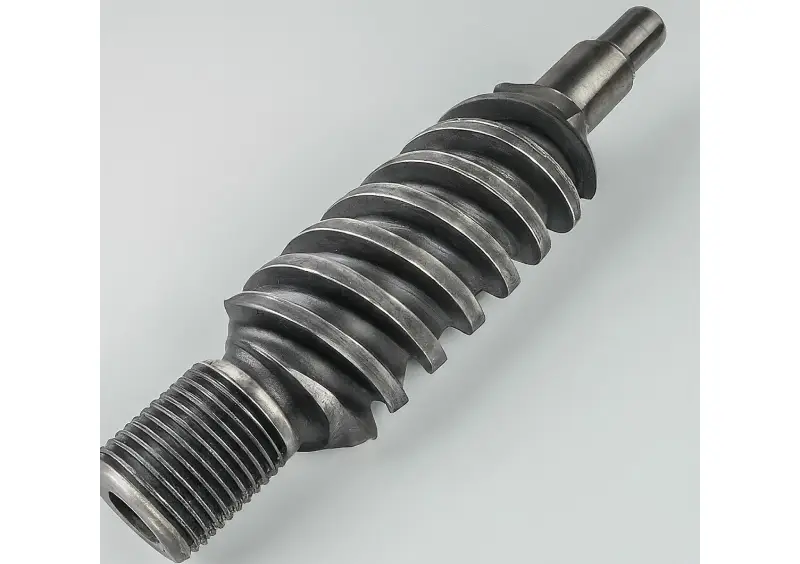
Advancements Driving Custom CNC Machining Solutions Forward
Several key advancements are driving the future of custom CNC machining solutions forward, enhancing their capabilities and applications. One significant advancement is the increased use of precision tooling and advanced cutting techniques, which allow for finer tolerances and more intricate designs. Another major development is the integration of real-time monitoring systems that provide valuable feedback during machining, leading to improved quality control and reduced waste. Additionally, advancements in software, such as sophisticated simulation tools and advanced analytics, are streamlining the design-to-production process, making it faster and more efficient. These advancements collectively contribute to more reliable, efficient, and flexible CNC machining solutions.
How AI Is Shaping Custom CNC Machining Solutions?
Artificial Intelligence (AI) is playing a pivotal role in shaping the future of custom CNC machining solutions by enhancing decision-making and automation. AI algorithms can analyze vast amounts of data from machining processes to optimize cutting paths, predict maintenance needs, and improve overall efficiency. Machine learning models are also being employed to refine the accuracy of CNC machines, enabling them to adapt to varying material properties and complex geometries with greater precision. AI-driven predictive maintenance tools are helping to minimize downtime by forecasting potential issues before they occur. The integration of AI is transforming CNC machining into a more intelligent and adaptive manufacturing process.
The Role Of Automation In Custom CNC Machining Solutions
Automation is revolutionizing custom CNC machining solutions by increasing production efficiency and consistency. Automated systems, such as robotic arms and conveyor belts, are streamlining the loading and unloading of parts, reducing manual labor, and minimizing the risk of errors. Advanced automation technologies also enable 24/7 operation, significantly boosting production rates and lowering operational costs. The use of automated tools for setup and calibration further enhances precision and reduces setup times. Additionally, the integration of automated quality control systems ensures that parts meet stringent specifications without the need for extensive manual inspection. Automation is thus a key factor in enhancing the scalability and reliability of CNC machining operations.
Sustainability Trends In Custom CNC Machining Solutions
Sustainability is becoming a major focus in custom CNC machining solutions, driven by the need to reduce environmental impact and promote resource efficiency. Manufacturers are increasingly adopting practices such as recycling metal chips, minimizing energy consumption, and using eco-friendly cutting fluids. Innovations in machine design are also contributing to sustainability, with more energy-efficient motors and components reducing overall power usage. The adoption of digital technologies, such as real-time monitoring and predictive maintenance, helps to optimize resource use and reduce waste. By embracing these sustainability trends, the CNC machining industry is making strides toward greener manufacturing practices and aligning with global environmental goals.
Customization Trends Influencing CNC Machining Solutions
Customization trends are profoundly influencing CNC machining solutions, reflecting a shift towards more personalized and tailored manufacturing. The demand for unique, one-of-a-kind parts is driving advancements in technology that allow for greater flexibility and precision in production. Innovations such as modular machine designs and adaptive machining techniques are enabling manufacturers to easily switch between different production runs and handle complex custom orders. The rise of on-demand manufacturing and small-batch production is also contributing to the growing emphasis on customization. These trends are pushing CNC machining solutions to evolve, offering more versatile and responsive capabilities to meet the diverse needs of modern consumers and industries.
Future Challenges For Custom CNC Machining Solutions
As custom CNC machining solutions continue to evolve, several future challenges must be addressed to ensure their continued success. One significant challenge is the integration of new technologies with existing systems, which requires substantial investment and training. Additionally, maintaining precision and quality while scaling up production remains a critical concern. The complexity of new materials and designs may also pose difficulties in machining, requiring ongoing research and development. Furthermore, the need to balance automation with skilled labor and the potential for cybersecurity threats as machines become more connected are emerging concerns. Addressing these challenges will be crucial for advancing the capabilities and reliability of custom CNC machining solutions.
Conclusion
The future of custom CNC machining solutions is marked by rapid technological advancements and evolving industry trends. Emerging technologies, AI, automation, and sustainability are shaping the landscape, driving improvements in precision, efficiency, and customization. As the industry adapts to these changes, it faces challenges such as integrating new technologies and maintaining quality while scaling production. By staying abreast of these trends and addressing potential challenges, manufacturers can leverage the latest innovations to enhance their CNC machining solutions and meet the demands of a dynamic market. The ongoing evolution in this field promises exciting opportunities for growth and development in manufacturing.

Emery Richardson, a skilled writer residing in the vibrant city of Austin, Texas. With a passion for business and a deep understanding of technology, I weave words to illuminate complex topics. From startups to the latest tech trends, my expertise shines through. Join me on a journey of insightful exploration and engaging narratives.
How to Cite This Article
Emery Richardson. "The Future Of Custom CNC Machining Solutions: Trends To Watch." Act Out Loud, September 18, 2024. https://actoutloud.org/the-future-of-custom-cnc-machining-solutions-trends-to-watch/