Sustainable Solutions for Industrial Waste Recycling
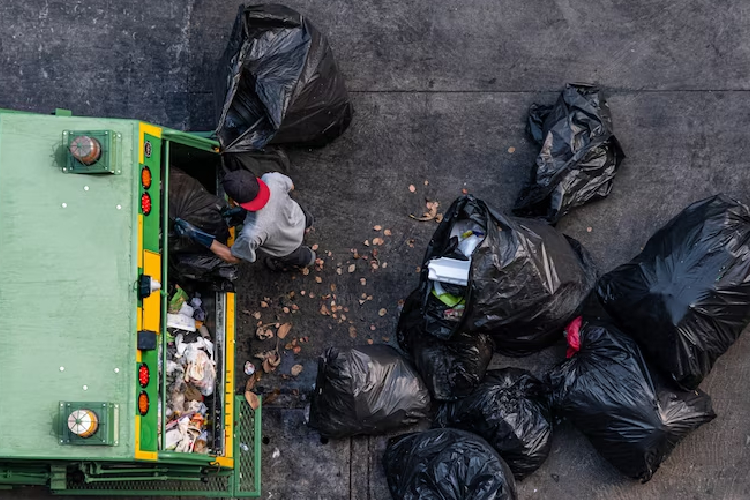
Sustainable Solutions for Industrial Waste Recycling is an important concept that ensures businesses can continue to operate efficiently and effectively without compromising the environment. By properly recycling and disposing of industrial waste, businesses can reduce their overall environmental impact while creating significant cost savings. As such, sustainable solutions for industrial waste recycling are essential for businesses that care about their impact on the environment. This introduction will discuss the importance of sustainable solutions for industrial waste recycling and how businesses can develop and implement effective strategies to reduce their environmental impact.
The Benefits of Recycling Industrial Waste
Industrial waste recycling is essential to maintaining the economic health and sustainability of businesses and communities. It helps to reduce the amount of material that goes to landfills or other disposal sites, thus protecting the environment from potential contaminants, and it enables businesses to reuse materials, reduce costs associated with waste disposal, and comply with changing government regulations. Recycling can also create jobs, generate revenue, and help to increase the efficiency of production processes. The benefits of recycling industrial waste are numerous and varied. It also reduces air and water pollution and requires fewer landfills, which saves natural resources such as water, wood, and minerals. In addition, it reduces emissions of greenhouse gases such as carbon dioxide and eliminates the need to transport hazardous materials to distant disposal sites.

Innovative Techniques for Recycling Industrial Wastes
To maximize the benefits of recycling industrial waste, businesses and communities must employ innovative techniques to enable the efficient processing and reuse of materials. For instance, businesses can use pyrolysis, a process that uses heat to break down waste materials in an oxygen-free environment, to extract combustible gas from combustible materials. Recycling can also involve the use of technologies such as reverse osmosis or filtration to clean water and remove harmful contaminants. In addition, companies can employ on-site waste recovery techniques such as shredding, pulverizing, and milling to reduce the volume of waste materials and maximize their potential for reuse.
Maximizing the Recycling Potential of Industrial Waste
To maximize the potential of recycling industrial waste, companies, communities, and countries must take a comprehensive approach to managing, monitoring, and minimizing waste. Businesses can look to reduce the number of raw materials they use to create products, employ techniques such as reclaiming, sorting, reprocessing, and reusing waste materials, and invest in technologies such as pyrolysis to extract combustible materials from industrial waste. In addition, businesses should aim to capture and reuse industrial waste byproducts, such as solvents and lubricants, before they are released into the environment.
At the national level, governments should work to create regulations that encourage recycling, incentivize innovation, and support businesses in their efforts to reduce, reuse, and recycle materials. Furthermore, countries should look to invest in the infrastructure required to handle and process industrial waste, as well as in the research and development necessary to create new products and processes that help to maximize the potential of recycling.
Implementing the Best Practices for Industrial Waste Recycling
To ensure that industries can safely and effectively process and reuse industrial waste, businesses must implement best practices and adhere to current regulations. For instance, businesses should identify sources of waste and document all waste-related processes, as well as any associated hazards. A key component of best practices for the recycling of industrial waste is the implementation of effective waste tracking systems that provide businesses with the ability to monitor and report on waste produced and disposed of. This is particularly important for monitoring the disposal of hazardous materials, which can only be disposed of by local, state, and federal regulations. Tracking systems also help businesses to reduce the amount of waste shipped off-site and to identify and eliminate potential sources of contamination.
Achieving Environmental Purity Through the Recycling of Industrial Wastes
The recycling of industrial waste is essential for achieving environmental purity, as it helps to divert waste from landfills and prevent the release of pollutants into the environment. The effects of industrial waste on the environment can be devastating, as contaminants such as lead, mercury, PCBs, and hydrocarbons can enter water systems and soil, leading to long-term health and safety implications. Therefore, businesses must employ effective solutions for the recycling of industrial waste items such as electronics, oil, batteries, and solvents to minimize environmental contamination.
Creating a Sustainable Model for Industrial Waste Recycling
By creating a sustainable model for industrial waste recycling, businesses and communities can help to reduce the amount of waste that is sent to landfills and minimize environmental contamination. A sustainable model includes strategies for reducing, reusing, and recycling materials, as well as initiatives for educating employees and increasing public awareness. Moreover, it involves proactive measures for monitoring and managing waste, as well as new technological innovations to reduce energy consumption and improve processes.
To create a sustainable model for industrial waste recycling, businesses must invest in the development of sophisticated waste management systems. Such systems enable companies to identify sources of waste, prioritize materials for reuse, and process waste efficiently and cost-effectively. In addition, companies should create strategies for monitoring the recycling process and developing quality control systems that ensure the safety and efficacy of products created from recycled materials.
Re-purposing Industrial Waste for Alternative Uses
The re-purposing of industrial waste for alternative uses is essential for achieving sustainable waste management goals. Such a practice helps to reduce the amount of waste that is sent to landfills, as well as the need to purchase raw materials. As a result, businesses can save on costs associated with waste production, as well as on energy and resources.
Re-purposing industrial waste for alternative uses can involve a variety of techniques, such as turning scrap metals into artworks, re-bonding plastics into new products, and creating reclaimed materials from paper products. Furthermore, innovative technologies are making it easier to convert unusable industrial waste into energy, fuel, and other valuable materials. Such creative strategies enable businesses to reduce their environmental footprints, generate new revenue streams, and develop innovative products.
Optimizing Recycling Solutions for Industrial Waste Management
To ensure the success of industrial waste recycling initiatives, businesses must work to optimize recycling solutions and maximize the potential for reuse and repurposing. This can involve the introduction of technologies and processes that reduce the amount of energy consumed in the production and disposal of waste, as well as the introduction of incentives to promote the reuse of materials, such as tax breaks and subsidies. In addition, companies should strive to develop partnerships with local organizations that provide technical assistance and promote responsible waste management practices.
Furthermore, businesses must look to adopt best practices for the management of industrial waste, such as segregation of materials, proper labeling and storage of waste, and techniques to increase the efficiency of waste collection and disposal. Companies should also incorporate education and training programs to ensure that employees are aware of the importance of recycling and familiar with responsible disposal practices. Through such initiatives, businesses can encourage their employees to contribute to a cleaner, healthier environment and create sustainable models for industrial waste recycling.
Conclusion
The goal of sustainable solutions for industrial waste recycling is to reduce the environmental impact of production and consumption. By investing in sustainable solutions, industries can contribute to the protection of our environment and create a more sustainable future for generations to come. By utilizing methods such as source reduction, energy recovery, re-use, and re-manufacturing, industrial waste can be recycled and reused in a more green, efficient, and responsible way. In doing so, the industrial sector can create a more sustainable economic model that preserves our natural resources and supports a sustainable future.

James Scott was born in Missouri and studied at the University of Central Missouri. Currently working as Manager at ActoutLoud, James Scott helps readers learn the fields of Law, Marketing, Construction, Education, Health, etc hone their skills, and find their unique voice so they can stand out from the crowd.
How to Cite This Article
James Scott. "Sustainable Solutions for Industrial Waste Recycling." Act Out Loud, May 31, 2023. https://actoutloud.org/sustainable-solutions-for-industrial-waste-recycling/