Regular Maintenance for Condenser Tube Cleaning System
Last Updated:
Condenser tube cleaning systems play a critical role in various industrial applications, including power generation, HVAC systems, and manufacturing processes. These systems are designed to ensure the efficient transfer of heat by removing fouling materials from the condenser tubes. However, like any mechanical system, they require regular maintenance to function optimally. Neglecting this maintenance can lead to a buildup of deposits, reduced heat transfer efficiency, and, ultimately, costly downtime. The importance of a well-maintained condenser tube cleaning system cannot be overstated, as it directly impacts operational efficiency, energy consumption, and equipment lifespan. In this guide, we will explore the importance of regular maintenance, key components to monitor, signs indicating the need for attention, recommended maintenance schedules, effective techniques, the benefits of routine inspections, and best practices for ensuring the longevity of your condenser tube cleaning system.
Importance Of Regular Maintenance For Condenser Tube Cleaning System
Regular maintenance of a condenser tube cleaning system is essential for ensuring the reliability and efficiency of heat exchange processes. As water circulates through the system, it can carry impurities, minerals, and biological matter that lead to fouling and scaling within the tubes. This buildup reduces the system’s ability to transfer heat effectively, forcing it to work harder to achieve the desired temperature levels. Consequently, energy consumption increases, and operational costs rise. Moreover, a poorly maintained condenser tube cleaning system can suffer from corrosion and mechanical wear, leading to premature failure and expensive repairs or replacements. Regular maintenance not only enhances the system’s efficiency and lifespan but also helps prevent costly operational disruptions. Additionally, it promotes compliance with environmental regulations by ensuring the proper disposal of waste materials. Therefore, understanding the importance of regular maintenance is critical for operators and facility managers to keep their condenser tube cleaning systems running smoothly and efficiently.

Components To Monitor In Your Condenser Tube Cleaning System
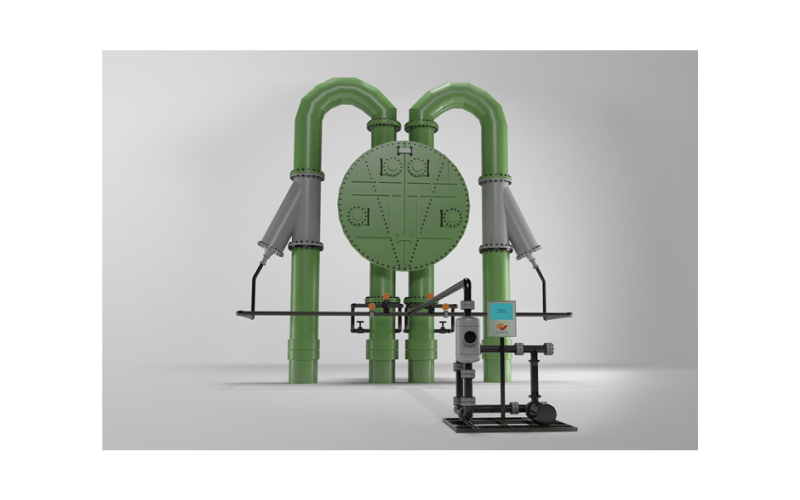
Monitoring the key components of a condenser tube cleaning system is vital for effective maintenance. Among the most important parts are the condenser tubes themselves, which must be inspected regularly for signs of fouling or scaling. This can be done using various methods, including visual inspections, ultrasonic testing, or pressure drop measurements. Another crucial component is the cleaning mechanism, which can be mechanical, chemical, or a combination of both. It is essential to ensure that the cleaning brushes or nozzles are in good working condition and that they are capable of effectively removing deposits from the tubes. Additionally, the control system, including sensors and alarms, should be regularly checked to ensure they function correctly, providing timely alerts about any issues. The water treatment system is also integral to maintaining water quality and preventing fouling. Regularly monitoring water chemistry and ensuring that treatment chemicals are correctly dosed is essential to minimize the risks of scale and corrosion. By paying close attention to these key components, operators can identify potential issues early and ensure the condenser tube cleaning system operates at peak efficiency.
Indicating Your Condenser Tube Cleaning System Needs Attention
Recognizing the common signs that indicate a condenser tube cleaning system requires attention is crucial for preventing more severe problems. One of the most apparent signs is a noticeable increase in energy consumption, which often occurs when the system works harder to compensate for reduced heat transfer efficiency due to fouling. Operators may also observe a rise in operating temperatures or pressure differentials, signaling that the heat exchange process is being hindered. Additionally, if unusual noises, such as grinding or rattling, are detected, it may indicate mechanical issues within the cleaning system. Another critical warning sign is the presence of water leaks or corrosion around the condenser tubes, which could indicate that fouling is leading to physical damage. Regular monitoring of these indicators enables timely interventions, preventing further deterioration of the system and ensuring optimal performance. Operators must remain vigilant and responsive to these signs to maintain their condenser tube cleaning systems effectively.
Recommended Maintenance Schedule For Condenser Tube Cleaning System
Establishing a recommended maintenance schedule for a condenser tube cleaning system is essential for preserving its performance and longevity. A comprehensive maintenance program should include daily, weekly, monthly, and annual tasks. Daily checks should involve monitoring operational parameters, such as pressure, temperature, and flow rates, to identify any immediate issues. Weekly inspections should focus on visual assessments of the system and the cleanliness of the condenser tubes. Monthly, operators should perform a more thorough inspection of key components, including cleaning mechanisms, control systems, and water treatment processes. During these monthly checks, it is also advisable to conduct water quality tests to ensure that chemical dosages are appropriate. Additionally, an annual maintenance review should include a complete system assessment, cleaning of all components, and replacement of any worn or damaged parts. By adhering to this structured maintenance schedule, operators can proactively address potential issues, ensuring the condenser tube cleaning system operates efficiently and effectively.
Maintaining Your Condenser Tube Cleaning System
Employing effective techniques for maintaining a condenser tube cleaning system is crucial for optimizing its performance. One effective technique is the use of periodic chemical cleaning, which involves circulating cleaning solutions through the system to dissolve scale and fouling deposits. It is essential to select appropriate chemicals that are compatible with the system materials and can effectively target the contaminants present. Mechanical cleaning methods, such as brush cleaning or high-pressure water jetting, can also be employed to remove stubborn deposits. Operators should consider combining both chemical and mechanical methods for comprehensive cleaning. Additionally, maintaining proper water treatment is vital for preventing fouling. Implementing a water treatment program that includes the use of corrosion inhibitors, anti-scalants, and biocides helps maintain water quality and minimizes the potential for deposit formation. Regular training for personnel on operating and maintaining the cleaning system ensures adherence to best practices and helps identify issues early. By utilizing these effective techniques, operators can significantly enhance the performance and reliability of their condenser tube cleaning systems.
Routine Inspections For Condenser Tube Cleaning System Performance
Routine inspections of a condenser tube cleaning system offer numerous benefits that contribute to its overall performance and efficiency. Regular inspections allow operators to identify potential issues early, minimizing the risk of significant system failures and unplanned downtime. By conducting inspections, operators can monitor key performance indicators such as pressure drops, temperature variations, and flow rates, providing valuable insights into the system’s health. This proactive approach enables timely interventions and repairs, enhancing the reliability of the cleaning system. Additionally, routine inspections help ensure compliance with safety and environmental regulations, as they often include checks for leaks, corrosion, and proper chemical handling. Moreover, regular monitoring fosters a culture of accountability and diligence among staff, reinforcing the importance of maintaining high operational standards. Ultimately, the benefits of routine inspections extend beyond mere compliance; they contribute to increased operational efficiency, reduced energy costs, and improved system longevity, making them a critical component of effective maintenance strategies.
Ensuring Longevity Of Your Condenser Tube Cleaning System
Implementing best practices is essential for ensuring the longevity of a condenser tube cleaning system. One of the most critical practices is adhering to a rigorous maintenance schedule that includes routine inspections, cleaning, and performance evaluations. Keeping accurate records of maintenance activities helps identify trends and informs future decision-making. Operators should also invest in high-quality components and materials that can withstand the rigors of the cleaning process, reducing the likelihood of wear and tear. Training personnel on proper operating procedures and maintenance techniques is vital to foster a culture of safety and efficiency within the organization. Additionally, establishing a robust water treatment program is essential for minimizing fouling and scaling, which can significantly impact the system’s performance. Utilizing advanced monitoring technologies, such as real-time data analytics and predictive maintenance tools, can also help operators make informed decisions about when to perform maintenance or upgrades. By adopting these best practices, operators can enhance the reliability and lifespan of their condenser tube cleaning systems, ultimately leading to improved operational efficiency and cost savings.
Conclusion
Regular maintenance of a condenser tube cleaning system is vital for ensuring its efficiency, reliability, and longevity. By understanding the importance of maintenance, monitoring key components, recognizing signs of potential issues, and adhering to a structured maintenance schedule, operators can significantly enhance the performance of their systems. Implementing effective cleaning techniques and conducting routine inspections further contributes to optimal performance and compliance with safety regulations. By adopting best practices, operators can not only extend the life of their condenser tube cleaning systems but also reduce energy consumption and operational costs. Ultimately, a well-maintained condenser tube cleaning system serves as a cornerstone of efficient industrial operations, enabling facilities to achieve their performance goals while minimizing environmental impacts.
Resource Link:
https://en.wikipedia.org/wiki/Tube_cleaning

Emery Richardson, a skilled writer residing in the vibrant city of Austin, Texas. With a passion for business and a deep understanding of technology, I weave words to illuminate complex topics. From startups to the latest tech trends, my expertise shines through. Join me on a journey of insightful exploration and engaging narratives.
How to Cite This Article
Emery Richardson. "Regular Maintenance for Condenser Tube Cleaning System." Act Out Loud, October 3, 2024. https://actoutloud.org/regular-maintenance-for-condenser-tube-cleaning-system/