Mindfulness and Relaxation Techniques in Home Physical Therapy Services
Last Updated:
Home physical therapy services have gained significant popularity as more patients seek convenient and personalized care in the comfort of their homes. This approach allows for tailored treatment plans that meet individual needs, making recovery more accessible and manageable. In recent years, there has been a growing recognition of the importance of mindfulness and relaxation techniques within these services. These methods not only support physical rehabilitation but also address the psychological and emotional aspects of healing. Mindfulness practices encourage patients to focus on the present moment, cultivating a sense of awareness and reducing stress, which can enhance their overall experience and outcomes in physical therapy. By incorporating relaxation techniques, therapists can help patients manage pain, improve mobility, and foster a deeper connection between mind and body. This integration of mindfulness into home physical therapy services ultimately leads to more effective treatment and empowers individuals on their journey to recovery.
Understanding The Role Of Mindfulness In Home Physical Therapy Services
Mindfulness plays a crucial role in home physical therapy services by fostering an environment where patients can engage with their rehabilitation actively and positively. It involves being present in the moment, acknowledging feelings and sensations without judgment, which can significantly affect recovery outcomes. In the context of physical therapy, mindfulness helps patients become more aware of their bodies, allowing them to recognize their limitations and capabilities. This awareness can lead to better engagement during exercises and adherence to treatment plans. Additionally, practicing mindfulness can help patients alleviate anxiety and fear related to their conditions, making them more open to trying new movements or therapies. Home physical therapy services often emphasize personalized care, and integrating mindfulness into these sessions enhances communication between therapists and patients. Therapists can guide patients through mindfulness exercises that help them connect with their breath, monitor their pain levels, and respond to their bodies’ needs more intuitively. Ultimately, understanding the role of mindfulness in these services is essential for optimizing physical recovery and promoting a holistic approach to healing.
Techniques For Incorporating Relaxation Into Home Physical Therapy Services
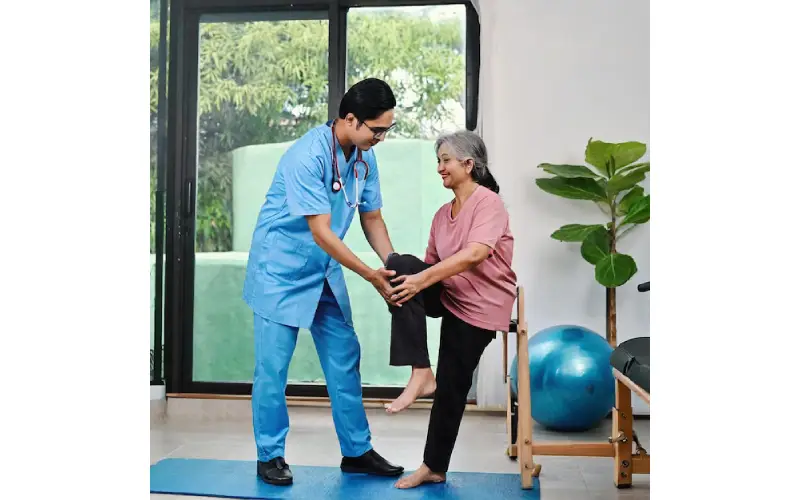
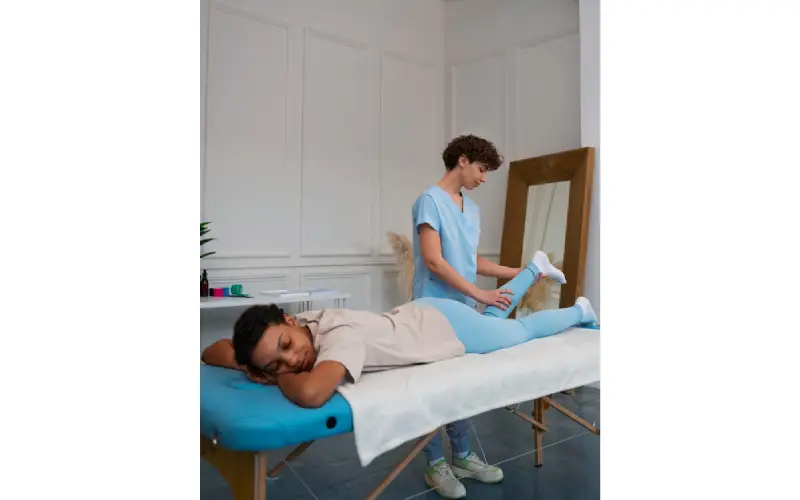
Incorporating relaxation techniques into home physical therapy services can significantly enhance the therapeutic experience and improve patient outcomes. Various methods can be employed to help patients relax and prepare their minds and bodies for physical rehabilitation. One common technique is progressive muscle relaxation, where patients are guided to tense and then relax different muscle groups, promoting awareness and relief from physical tension. Another effective method is guided imagery, where therapists help patients visualize calming and healing images, facilitating relaxation and reducing anxiety. Simple stretching exercises can also serve as an effective relaxation tool, helping to alleviate tension in the body and improve flexibility. Deep breathing exercises, focusing on slow and controlled breaths, can be integrated throughout therapy sessions to help patients maintain a relaxed state while engaging in physical activities. Additionally, mindfulness meditation practices can be introduced, allowing patients to develop a greater awareness of their thoughts and feelings during therapy. These relaxation techniques not only help reduce stress but also create a more conducive environment for healing and recovery. By incorporating these practices into home physical therapy services, therapists can enhance patients’ overall experience, making rehabilitation more enjoyable and effective.
Mindfulness Practices In Home Physical Therapy Services
The benefits of mindfulness practices in home physical therapy services extend far beyond mere physical recovery; they encompass emotional and psychological well-being as well. Mindfulness enhances focus and concentration, which can be particularly beneficial for patients working through complex rehabilitation exercises. By honing in on the present moment, patients can better engage with their bodies and the movements they are performing, leading to improved motor control and coordination. Additionally, mindfulness can play a pivotal role in pain management. Studies have shown that being mindful of pain can alter the perception of discomfort, making it more manageable for patients. This shift in perspective can lead to reduced reliance on pain medications, fostering a healthier approach to managing chronic pain conditions. Furthermore, practicing mindfulness can lower levels of stress and anxiety, which often accompany physical ailments. This emotional regulation is crucial, as stress can exacerbate physical symptoms and hinder recovery efforts. In a home physical therapy setting, the benefits of mindfulness practices create a supportive framework for patients, allowing them to cultivate resilience and empowerment throughout their rehabilitation journey. As they learn to integrate mindfulness into their daily lives, patients are more likely to experience lasting improvements in both physical and emotional health.
Breathing Exercises Enhance Home Physical Therapy Services
Breathing exercises are a powerful tool that can significantly enhance the effectiveness of home physical therapy services. These exercises serve as a bridge between mindfulness and physical rehabilitation, promoting relaxation and focus while also improving respiratory function. Deep breathing techniques, such as diaphragmatic breathing, encourage patients to engage their diaphragm fully, leading to more effective oxygen exchange and increased lung capacity. This is particularly beneficial for individuals recovering from respiratory issues, surgeries, or conditions that affect mobility and endurance. In addition to the physiological benefits, breathing exercises help to calm the nervous system, reducing feelings of anxiety and stress that may arise during physical therapy sessions. By integrating breath awareness into their practice, therapists can help patients remain centered and focused, enabling them to perform exercises more effectively and with greater confidence. Moreover, breathing exercises can be paired with movement, allowing patients to synchronize their breath with their physical activity. This integration enhances body awareness and encourages a holistic approach to rehabilitation, where the mind and body work in unison. As patients learn to harness the power of their breath, they can improve their overall performance in home physical therapy services and cultivate a greater sense of control over their healing process.
Calm Environment For Effective Home Physical Therapy Services
The environment in which home physical therapy services are delivered plays a critical role in the effectiveness of the treatment. Creating a calm and inviting atmosphere can significantly enhance the therapeutic experience and promote relaxation. Therapists can begin by assessing the physical space, ensuring it is free of clutter and distractions that may interfere with focus and relaxation. Soft lighting, soothing colors, and comfortable seating can help establish a peaceful ambiance that encourages mindfulness and calmness. Incorporating elements of nature, such as plants or natural materials, can further enhance the environment, providing a sense of tranquility. Additionally, background music or ambient sounds can create a relaxing auditory landscape, helping to drown out external noise and promote a sense of peace. Essential oils or aromatherapy can also be integrated into the therapy space, utilizing scents such as lavender or eucalyptus to promote relaxation and enhance the overall experience. The emotional aspect of the environment is equally important; therapists should strive to build rapport and trust with their patients, creating an atmosphere where individuals feel safe and supported. By fostering a calm environment, home physical therapy services can significantly enhance patient engagement, reduce anxiety, and ultimately lead to more effective rehabilitation outcomes.
Mindfulness-Based Strategies For Pain Management In Home Physical Therapy Services
Mindfulness-based strategies for pain management have become increasingly recognized as effective approaches within home physical therapy services. These strategies empower patients to take an active role in managing their pain, fostering a sense of control and agency in their recovery. One of the key techniques involves mindfulness meditation, which teaches individuals to observe their pain without judgment or resistance. This practice encourages patients to acknowledge their discomfort while also recognizing that pain is not an all-consuming experience. By fostering a non-reactive awareness, patients can begin to reduce the emotional distress associated with pain, ultimately altering their overall experience. Another effective strategy is body scan meditation, where patients mentally scan their bodies, paying attention to areas of tension or discomfort. This practice promotes awareness and allows individuals to connect with their physical sensations more deeply, facilitating relaxation and release. Furthermore, therapists can introduce mindfulness-based cognitive behavioral techniques, helping patients identify and challenge negative thought patterns associated with pain. These cognitive strategies, combined with physical rehabilitation, create a comprehensive approach to pain management that addresses both the physical and emotional dimensions of healing. By integrating mindfulness-based strategies into home physical therapy services, patients can develop the skills needed to navigate their pain more effectively, leading to improved outcomes and quality of life.
Integrating Mindfulness And Relaxation In Personalized Home Physical Therapy Services
The integration of mindfulness and relaxation techniques into personalized home physical therapy services represents a holistic approach to rehabilitation that caters to the unique needs of each patient. Personalization is key in ensuring that treatment plans align with individuals’ physical conditions, preferences, and emotional states. By conducting thorough assessments, therapists can identify the most effective mindfulness practices and relaxation techniques tailored to each patient’s specific circumstances. For instance, some individuals may benefit from guided imagery, while others may find progressive muscle relaxation more effective. Incorporating mindfulness practices into exercise routines can also enhance personalization, allowing patients to focus on their movements and sensations during rehabilitation. This connection between mind and body fosters a deeper engagement with therapy and encourages patients to take ownership of their recovery process. Regular check-ins and open communication between therapists and patients are essential to refining these personalized strategies, ensuring that they evolve with the patient’s progress and changing needs. Ultimately, the integration of mindfulness and relaxation into home physical therapy services not only enhances physical rehabilitation but also nurtures emotional resilience and promotes overall well-being, allowing patients to thrive on their healing journeys.
Conclusion
Mindfulness and relaxation techniques have become invaluable components of home physical therapy services, enhancing the overall rehabilitation experience for patients. By understanding the role of mindfulness, incorporating relaxation techniques, and leveraging the benefits of breathing exercises, therapists can create a more effective and supportive environment for healing. The integration of these practices promotes not only physical recovery but also emotional and psychological well-being, empowering patients to engage actively in their rehabilitation journeys. As home physical therapy continues to evolve, the emphasis on mindfulness and relaxation will likely play a crucial role in shaping more holistic, patient-centered care. By fostering awareness, reducing stress, and creating personalized treatment plans, healthcare providers can facilitate improved outcomes and quality of life for individuals navigating their recovery. In this way, mindfulness and relaxation techniques represent a transformative approach within home physical therapy services, paving the way for a more compassionate and effective healthcare landscape.
Resource Link:
https://en.wikipedia.org/wiki/Physical_therapy

Emery Richardson, a skilled writer residing in the vibrant city of Austin, Texas. With a passion for business and a deep understanding of technology, I weave words to illuminate complex topics. From startups to the latest tech trends, my expertise shines through. Join me on a journey of insightful exploration and engaging narratives.
How to Cite This Article
Emery Richardson. "Mindfulness and Relaxation Techniques in Home Physical Therapy Services ." Act Out Loud, November 4, 2024. https://actoutloud.org/mindfulness-and-relaxation-techniques-in-home-physical-therapy-services/