Maximizing Aesthetic Appeal With Furniture Edge Banding Tape Designs
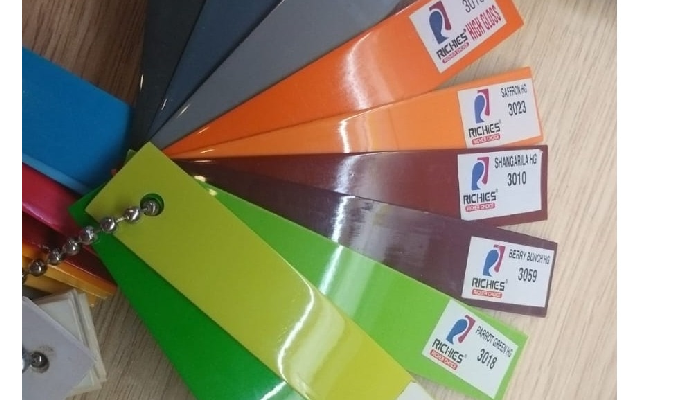
Maximizing the aesthetic appeal of furniture with furniture edge banding tape designs requires an understanding of color theory, texture, and the overall style of the piece being created. The right edge banding can enhance the beauty of a furniture item, transforming a basic piece into a statement of style. For instance, utilizing edge banding tape in a bold color can create a striking contrast against a neutral surface, drawing the eye and emphasizing particular design elements. Alternatively, opting for a wood veneer edge banding that matches the main surface can provide a seamless, elegant look, making the furniture appear more cohesive and thoughtfully designed.
Maintaining And Caring For Furniture Edge Banding Tape: Tips For Longevity
Maintaining and caring for furniture edge banding tape is essential to ensure its longevity and the overall appearance of the furniture it adorns. One of the primary considerations in maintaining edge banding is regular cleaning; dust and grime can accumulate on the surface over time, dulling its appearance. It is recommended to use a soft, damp cloth with a mild soap solution to gently wipe the edges, avoiding abrasive materials that could scratch the surface. Furthermore, it’s crucial to avoid exposing edge banding tape to harsh chemicals or excessive moisture, as these can weaken the adhesive bond and cause the tape to peel or warp. For areas prone to heat or direct sunlight, such as near radiators or windows, consider repositioning furniture or using protective barriers to minimize damage from heat exposure.

Comparing Furniture Edge Banding Tape Options: Which Is Best For You?
When it comes to choosing the right furniture edge banding tape, comparing the various options available in the market is essential for making an informed decision that aligns with your project’s needs. One of the most popular materials is PVC edge banding tape, known for its durability and moisture resistance, making it ideal for kitchen and bathroom furniture. PVC banding is also available in a wide range of colors and finishes, allowing for easy customization to match the main surfaces of the furniture. Another option is wood veneer edge banding, which offers a natural look and feel, perfect for high-end furniture pieces where aesthetics are a priority.
The Evolution Of Furniture Edge Banding Tape: Trends And Innovations
The evolution of furniture edge banding tape reflects broader trends in furniture design and manufacturing, showcasing innovations that enhance both functionality and aesthetic appeal. Historically, edge banding was primarily utilitarian, focusing on protecting the exposed edges of raw materials. However, advancements in technology and materials have transformed edge banding into a design element that can significantly influence the overall look of furniture. One of the notable trends in recent years is the increased availability of eco-friendly edge banding options. With growing consumer awareness of environmental issues, manufacturers are now producing edge banding tape from sustainable materials, such as recycled plastics and natural fibers, catering to environmentally conscious consumers.
Common Mistakes To Avoid When Using Furniture Edge Banding Tape
When using furniture edge banding tape, avoiding common mistakes can significantly impact the quality and durability of the finished product. One prevalent error is inadequate surface preparation before applying the edge banding tape. It is crucial to ensure that the edges are clean, smooth, and free of dust or grease, as any imperfections can compromise the adhesive bond, leading to peeling or lifting over time. Additionally, not measuring the length accurately can result in insufficient tape to cover the edge fully, creating gaps that detract from the overall appearance. Another mistake is applying too much heat during the application process; while heat is necessary for melting the adhesive, excessive heat can damage both the tape and the underlying material.
Top Benefits Of Using Furniture Edge Banding Tape In Furniture Making
Utilizing furniture edge banding tape in furniture making offers numerous benefits that enhance both the functionality and aesthetic appeal of the finished pieces. One of the primary advantages is the protection it provides to raw edges, shielding them from moisture, scratches, and other forms of damage. This protective layer not only prolongs the lifespan of the furniture but also reduces the likelihood of costly repairs in the future. Additionally, edge banding tape plays a significant role in enhancing the visual appeal of furniture; it allows for a polished and professional look that can elevate even basic designs.
Choosing The Right Type Of Furniture Edge Banding Tape For Your Project
Choosing the right type of furniture edge banding tape for your project is a critical step that can significantly influence the overall success and aesthetics of the finished piece. The first consideration should be the material of the edge banding tape. PVC edge banding is one of the most popular choices due to its durability, moisture resistance, and versatility. It is suitable for a wide range of applications, from kitchen cabinets to office furniture, making it an excellent all-around option. Alternatively, wood veneer edge banding provides a more natural appearance, ideal for high-end furniture pieces where aesthetics are paramount.
A Comprehensive Guide To Applying Furniture Edge Banding Tape Effectively
Applying furniture edge banding tape effectively requires careful planning, the right tools, and a systematic approach to ensure a professional finish. Before starting the application process, gather all necessary materials, including edge banding tape, a sharp utility knife or edge trimmer, a roller or pressure tool, and a heat source, if required. Begin by preparing the edge of the furniture piece; this includes ensuring that the edge is clean, smooth, and free of dust or debris. Use a sanding block to smooth out any rough areas, which can improve adhesion and create a cleaner look. Once the surface is prepared, measure the length of the edge to determine the appropriate length of the tape, adding a little extra for overlap.
Conclusion
Furniture edge banding tape is an essential component in furniture making that combines functionality with aesthetic appeal. From protecting raw edges to enhancing the overall look of furniture, edge banding tape plays a significant role in modern design. Understanding the various materials available, such as PVC, wood veneer, and melamine, allows makers to choose the best option for their projects based on durability, aesthetics, and cost. Moreover, proper maintenance and care can extend the life of the edge banding, ensuring that it continues to protect and beautify furniture over time.

Emery Richardson, a skilled writer residing in the vibrant city of Austin, Texas. With a passion for business and a deep understanding of technology, I weave words to illuminate complex topics. From startups to the latest tech trends, my expertise shines through. Join me on a journey of insightful exploration and engaging narratives.
How to Cite This Article
Emery Richardson. "Maximizing Aesthetic Appeal With Furniture Edge Banding Tape Designs." Act Out Loud, October 17, 2024. https://actoutloud.org/maximizing-aesthetic-appeal-with-furniture-edge-banding-tape-designs/