How Sand Dredge Supports the Energy Sector and Infrastructure?
Last Updated:
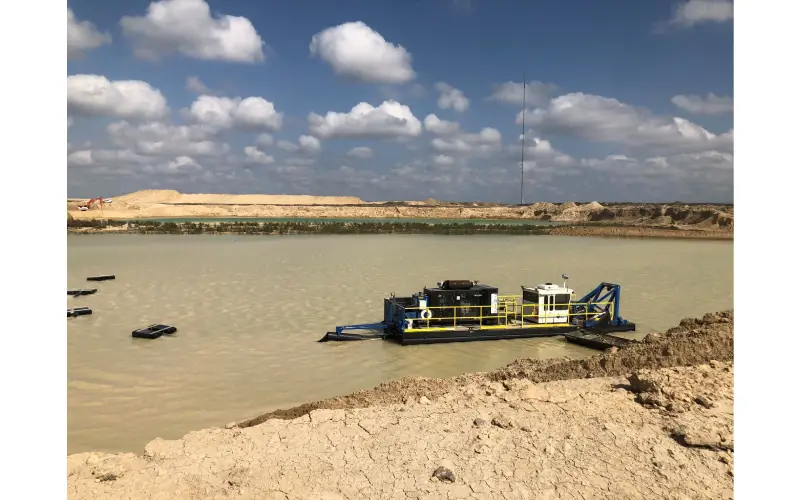
Sand dredging, a vital part of industrial operations, has a significant role in shaping the energy sector and infrastructure development. Sand dredges are specialized equipment used to extract sand from water bodies, such as rivers, lakes, and oceans. This process has far-reaching implications, especially in projects that require the extraction of large quantities of sand for construction and industrial uses. The energy sector, in particular, relies heavily on sand dredging for building necessary infrastructure and supporting energy production. This extensive application of sand dredge technology allows for the development of vital coastal structures, renewable energy installations, oil and gas operations, and more. With a global demand for energy growing rapidly, sand dredging has become indispensable to securing the raw materials necessary to fuel large-scale energy projects. This article explores how sand dredging supports the energy sector, particularly through infrastructure creation, oil and gas operations, and renewable energy solutions. Additionally, we examine the environmental concerns, emerging trends, and the future trajectory of sand dredge technology.
The Role Of Sand Dredge In Energy Sector Development
The energy sector heavily relies on sand dredging for various projects that support energy production and transmission. Sand dredging provides a crucial resource for building energy-related infrastructure, such as ports, pipelines, power plants, and renewable energy structures. In particular, it is essential for creating the necessary foundations for offshore wind turbines, coastal oil rigs, and large energy transmission systems. By extracting and supplying sand, sand dredge operations ensure that construction projects have the required materials to create stable, durable foundations for energy systems. For instance, offshore oil and gas platforms often require sand to create protective barriers or build artificial islands that support the massive structures. Additionally, the extraction of sand helps ensure that large infrastructure projects such as power plants have a solid base on which to stand, even in challenging locations like coastal areas or offshore sites. By providing the raw material necessary for creating resilient structures, sand dredging ensures that energy systems remain functional and robust in the face of extreme weather conditions and shifting environmental factors.
Sand Dredge’s Contribution to Building Coastal Infrastructure
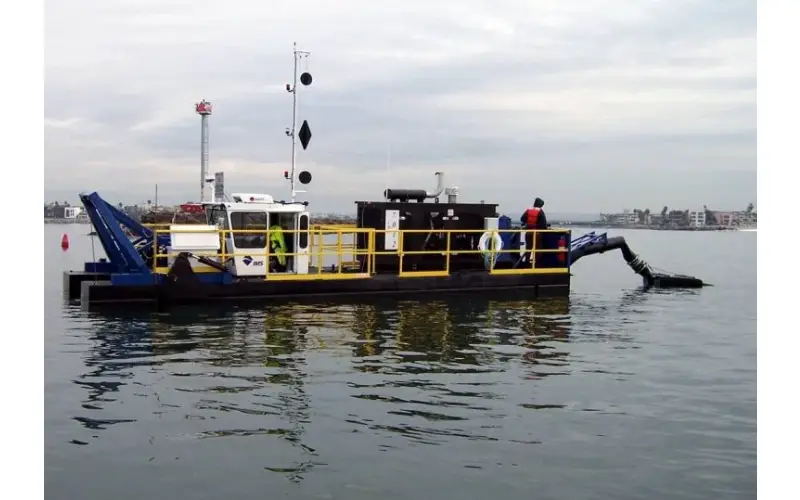
Coastal infrastructure plays an integral role in the energy sector, particularly in areas involving the transportation of fuel, energy production, and distribution. Sand dredging contributes significantly to building and maintaining coastal infrastructure, such as ports, harbors, and flood barriers, which are essential for the transportation of goods, including energy resources. These infrastructures also support energy transmission networks that are vital for delivering power to populations. Ports, for example, are necessary hubs for the import and export of fossil fuels like oil and gas, while harbors provide safe docking facilities for ships transporting these resources. By dredging sand, operators ensure that these critical transport routes remain navigable and functional. Furthermore, sand dredging plays a role in restoring eroded coastlines and protecting areas from the impact of rising sea levels, ensuring the stability of energy infrastructure along vulnerable coastlines. The ongoing need for maintaining and enhancing coastal infrastructure means that sand dredging will continue to support the energy sector in meeting the demand for energy distribution and transport.
How Sand Dredge Facilitates Renewable Energy Projects?
Sand dredging is also critical in supporting the development of renewable energy projects, such as offshore wind farms and tidal energy installations. Offshore wind farms, for example, require substantial amounts of sand for constructing stable foundations for wind turbine structures. Sand dredge operations are used to gather sand to create the necessary seabed foundations that support the turbines. These foundations must be robust enough to withstand the forces of wind, waves, and currents, making the quality of the sand used critical. Sand dredging operations also support the construction of artificial islands or platforms that house the electrical infrastructure needed to transmit the energy generated by wind farms. As the global energy landscape shifts towards renewable sources, sand dredging will continue to play a key role in facilitating large-scale renewable energy projects. Moreover, sand is often used in the construction of tidal power systems, where large barriers or channels are built to harness the power of ocean currents. The dredging of sand to build these systems helps unlock the potential of tidal energy, contributing to the global shift towards cleaner energy sources.
Enhancing Oil And Gas Operations With Sand Dredge
Oil and gas operations, especially those conducted offshore, rely heavily on sand dredging for the construction and maintenance of platforms, pipelines, and other essential infrastructure. The extraction of sand is required to create solid foundations and protective measures for drilling rigs and oil platforms, which often stand in waters where the seabed is unstable or vulnerable to erosion. Offshore oil rigs are typically constructed on artificial islands or elevated structures that require significant amounts of dredged sand to maintain stability. Additionally, sand dredging is used in creating trenchless pipelines that carry oil and gas from offshore platforms to onshore facilities. Sand dredging also supports the creation of artificial barriers and sediment control systems around offshore oil and gas sites, protecting them from environmental damage, including the impact of storms and rising sea levels. As the demand for oil and gas remains strong, sand dredging plays a crucial role in enhancing the efficiency and safety of energy extraction processes, ensuring that energy sources can be transported and processed effectively. By supporting offshore oil and gas infrastructure, sand dredging is an indispensable element in maintaining the flow of global energy resources.
Sand Dredge As A Key Resource For Port And Harbor Construction
Ports and harbors are central to the global energy trade, serving as the primary entry and exit points for energy resources like crude oil, coal, and liquefied natural gas (LNG). Sand dredging is integral to the development and maintenance of these critical transportation hubs. Dredging sand from the sea or riverbed deepens the channels of ports and harbors, ensuring that large energy transport vessels, such as oil tankers and cargo ships, can navigate safely and efficiently. This process helps maintain optimal water depths, allowing vessels to dock and load or unload large quantities of energy products without risk of grounding. Additionally, sand dredging supports the construction of breakwaters, which protect ports from harsh weather conditions, ensuring the safety and continued operation of energy transportation activities. Sand dredging also contributes to the creation of reliable infrastructure for the storage and handling of energy resources. By providing the necessary resources to build and sustain these vital energy hubs, sand dredging remains central to global energy distribution networks.
Environmental Considerations Of Sand Dredge In Energy Projects
While sand dredging is essential to energy sector development, it is not without environmental concerns. The process of extracting sand can cause significant ecological disruption, including habitat destruction, water pollution, and changes to sediment dynamics in coastal areas. For energy projects that rely on sand dredging, such as offshore wind farms and oil platforms, it is important to mitigate these negative impacts through careful planning and regulation. Sand dredging can alter local ecosystems by disturbing marine habitats, affecting fish populations and other aquatic species. In areas where dredging takes place, sediment suspension can reduce water quality and interfere with the health of coral reefs, seagrass meadows, and other vital underwater ecosystems. As the energy industry increasingly turns to renewable sources, it becomes essential to balance the benefits of sand dredging with the need to preserve environmental integrity. Industry standards and environmental regulations must ensure that sand dredging operations are conducted in ways that minimize environmental damage, such as using more sustainable dredging techniques and restricting operations in sensitive areas. The implementation of environmental assessments and continuous monitoring is necessary to ensure that energy projects relying on sand dredging do not unduly harm ecosystems.
Future Trends In Sand Dredge For Energy And Infrastructure Growth
The future of sand dredging in the energy sector is closely tied to ongoing developments in technology, sustainability practices, and infrastructure demands. As the need for energy infrastructure continues to grow globally, particularly in emerging markets and regions with limited access to energy resources, sand dredging will remain essential for supporting the construction of energy-related structures. Future trends in sand dredge technology include the use of more environmentally friendly methods that minimize ecosystem disruption, such as precision dredging, which allows for more targeted sand extraction. Additionally, automation and the use of AI-driven systems are expected to enhance the efficiency and safety of sand dredging operations. These technological advancements will likely reduce the environmental footprint of sand dredging, making it a more sustainable option for supporting energy and infrastructure development. Furthermore, the demand for renewable energy infrastructure will continue to shape sand dredging practices. As offshore wind farms and tidal energy systems become more widespread, sand dredging operations will need to adapt to meet the specific requirements of these projects, focusing on creating stable foundations in deep-water locations. As energy production moves toward cleaner sources, sand dredging will evolve to meet the growing demands of sustainable infrastructure, allowing energy companies to build resilient, efficient systems.
Conclusion
Sand dredging plays a critical role in supporting the energy sector and infrastructure development across the globe. From providing materials for the construction of offshore oil rigs to supporting renewable energy installations and facilitating the growth of ports and harbors, sand dredging is indispensable in building the foundation for modern energy systems. While there are environmental concerns associated with sand dredging, emerging technologies and better practices are paving the way for more sustainable and efficient operations. Looking forward, the future of sand dredging in the energy sector will likely see more innovations, including the use of automated systems, precision dredging techniques, and sustainable practices that minimize the environmental impact. As the global demand for energy infrastructure continues to rise, sand dredging will remain a central component of the energy sector, ensuring that projects can be completed efficiently and with the necessary raw materials to support sustainable growth.

Emery Richardson, a skilled writer residing in the vibrant city of Austin, Texas. With a passion for business and a deep understanding of technology, I weave words to illuminate complex topics. From startups to the latest tech trends, my expertise shines through. Join me on a journey of insightful exploration and engaging narratives.
How to Cite This Article
Emery Richardson. "How Sand Dredge Supports the Energy Sector and Infrastructure?." Act Out Loud, September 20, 2024. https://actoutloud.org/how-sand-dredge-supports-the-energy-sector-and-infrastructure/