Why More Families Prefer Cremation Services?
More families choose cremation for its cultural acceptance, flexibility, lower cost, and environmental benefits, fitting today’s preference for simple, personalized tributes.
Last Updated:
More families today are choosing creamation services due to several practical and cultural reasons. Changing cultural and religious beliefs have made cremation more accepted as a respectful option that fits various personal values. It offers flexibility by letting families plan memorials at their own pace, even having ceremonies later or in different places. Environmental concerns also play a role, since cremation uses less land and avoids harmful chemicals used in traditional burials. Cost is a big factor too, cremations generally cost much less than full burials, appealing especially to those watching their budgets. Overall, cremation matches today’s preference for simplicity and personalized tributes.
Changing Cultural and Religious Norms Around Cremation
Historically, burial was the go-to practice, deeply connected to religious rituals and cultural customs that shaped how families honored their loved ones. Today, as societies grow more diverse and open, many religious groups have revisited their views on cremation, often recognizing it as a respectful way to handle remains. Some faiths that once strictly forbade creamation services in Los Angeles now allow it under specific circumstances, reflecting a broader cultural shift. This change lets families honor the deceased in ways that fit their personal values, rather than feeling tied to rigid traditions. It also helps people from mixed cultural backgrounds find common ground when planning memorials. Younger generations tend to see cremation less as a religious matter and more as a practical, meaningful choice. Communities that once stigmatized cremation are gradually accepting it as a normal option, especially since cremation supports rituals adaptable to individual spiritual or secular beliefs. Being able to hold ceremonies at different times and places makes it easier to respect diverse cultural practices. Overall, more families view cremation as a way to honor loved ones on their own terms, free from strict customs.
How Cremation Offers Flexibility and Personalization?
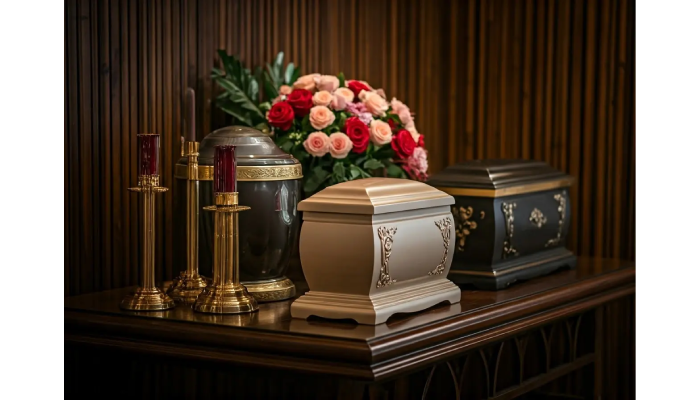
Cremation allows families to separate the timing of disposition from memorial events, giving them the freedom to choose when and where to gather. This means memorial services can be delayed to include relatives who live far away or to better fit personal schedules. Families can also hold multiple ceremonies, such as a private family gathering followed by a larger community celebration, making it easier to honor the deceased in ways that feel right to them. The ashes themselves offer many options: they can be kept in urns, scattered in meaningful natural places, or even turned into keepsakes like jewelry or artwork. Eco-friendly choices, such as biodegradable urns, add another layer of meaningful personalization while supporting sustainability. Many cremation providers offer customizable packages, allowing families to include unique music, readings, or symbolic acts that reflect the personality and life of their loved one. This flexibility reduces the pressure to plan everything immediately, easing the emotional burden during a difficult time. It also gives families the chance to involve children and other members in the planning process, which can create a shared healing experience.
Environmental Benefits of Choosing Cremation
Traditional burials require land that is permanently taken out of natural cycles, especially in busy urban areas where space is limited. Cremation uses far less physical space, which helps reduce the strain on crowded cemeteries. Burial practices often involve embalming chemicals that can seep into the soil and groundwater, creating environmental concerns that cremation avoids. Modern cremation methods use natural gas or electric furnaces, which emit fewer pollutants compared to older techniques. Families can also choose biodegradable urns or scatter ashes in natural settings, further minimizing environmental impact. Some opt for green cemeteries or memorial forests, where ashes support new plant growth and contribute to the ecosystem. With growing awareness of climate change, many people consider these environmental factors when planning end-of-life arrangements. Cremation combined with sustainable memorial options supports larger efforts to cut down waste and pollution. It also reduces the need for materials like caskets, vaults, and ongoing cemetery maintenance, which adds to its eco-friendly appeal. For those who value conservation, cremation offers a way to honor loved ones while staying consistent with their environmental principles.
Cost Savings and Economic Advantages of Cremation
Traditional burial expenses often exceed $10,000 when factoring in costs like a casket, burial plot, headstone, and embalming fees. In contrast, cremation services typically cost significantly less, averaging around $3,000 for standard options. For families looking to minimize expenses, direct cremation, a simpler process without a ceremony, can range from as low as $800 to $1,500. These lower costs make cremation a practical choice, especially for those facing financial challenges or dealing with unexpected losses. Pre-planning cremation services also helps individuals lock in prices, easing future financial burdens on their families. The money saved through choosing cremation can then be redirected toward meaningful uses, such as hosting memorial events or making charitable donations in memory of a loved one. Funeral homes have responded to this demand by offering competitive cremation packages with transparent pricing, making it easier for middle-income families and younger adults balancing other financial responsibilities to make informed decisions. Overall, the economic benefits of cremation provide a responsible and accessible option that aligns with many families’ financial realities today.
Simplicity and Minimalism in Modern Funeral Choices
Many families today prefer funeral arrangements that are straightforward and stress-free, especially during emotional times. Cremation fits this desire by removing much of the complexity involved with traditional burials, such as coordinating cemetery logistics or handling elaborate ceremonies. This simpler process allows families to focus more on remembering their loved ones rather than managing formal events. Minimalism in funerals reflects a shift in how people view death and legacy, emphasizing personal connections and meaningful memories over ritual. By choosing cremation, families often find planning easier and less time-consuming, which can be a relief during grief. Some appreciate avoiding the formality and high costs of large funeral services, opting instead for a more intimate and practical approach. This trend also matches wider cultural movements toward downsizing and sustainability, as cremation reduces the need for land, maintenance, and traditional cemetery visits. Overall, the move toward simplicity lets families create memorials that feel genuine and personal, rather than tied to rigid customs or expectations.
Current Trends Driving Cremation Popularity
Cremation rates in the have steadily climbed, reaching about 60% by 2023, reflecting a clear shift in how families approach end-of-life arrangements. Funeral providers have adapted by offering more cremation-focused services, with competitive pricing that makes this option more accessible. The rise of online price transparency and comparison tools allows families to understand and plan for costs with greater ease. Direct cremation, known for its simplicity and low cost, is now the fastest growing segment, attracting families who want a straightforward process without unnecessary extras. Large funeral corporations have recognized this demand and are partnering with direct cremation companies to expand their offerings. Younger generations especially drive this trend, valuing convenience, affordability, and environmental impact, while also embracing new memorial possibilities like digital tributes and online ceremonies. Media coverage and educational efforts have helped reduce stigma, making cremation a socially accepted choice. Altogether, these trends highlight a move toward more flexible, personalized, and cost-effective funeral options that better fit modern family needs.
Emotional Support and Community in Cremation Services
Cremation services today often go beyond the physical arrangements to offer compassionate care that truly supports families through their grief. Many providers focus on tailoring their approach to meet the unique emotional needs of each family, creating a more personalized and comforting experience. One important benefit of cremation is the flexibility it offers in planning memorials: families can choose a time and place that suits their emotional readiness and convenience, allowing gatherings to happen when loved ones feel most able to come together and heal. This flexibility also allows for smaller, more intimate memorials that foster close connection and shared remembrance, rather than large, formal ceremonies that might feel overwhelming. Personalization is another key aspect, families can design ceremonies that reflect the personality and values of the deceased, whether through meaningful rituals, keepsakes, or creative memorial options like planting a tree or scattering ashes in a special place. These choices help transform farewells into meaningful experiences that honor the life lived. Support services such as grief counseling, planning assistance, and community outreach are increasingly common, helping families navigate their loss with guidance and care. Cremation can also ease logistical pressures by reducing the need for immediate decisions, giving families time to process their emotions. For those with relatives spread across distances, cremation simplifies travel arrangements by allowing ashes to be transported more easily, enabling wider participation in memorial events. Additionally, community groups and faith organizations are more frequently accommodating cremation memorials, which expands the network of support available to grieving families. Together, these aspects make cremation an option that not only honors the departed but also nurtures the living through connection, flexibility, and ongoing support.
Frequently Asked Questions
1. What are the main reasons families choose cremation over traditional burial?
Families often prefer cremation because it offers more flexibility for memorial services, requires less space, and can be a simpler process compared to traditional burial. It also allows for more personal ways to honor a loved one.
2. How does cremation affect the way families hold memorial or funeral services?
Cremation lets families decide the timing and location of memorials more easily since there is no need for immediate burial. This flexibility helps create meaningful gatherings that fit the family’s wishes and schedules.
3. Are there cultural or religious factors that influence a family’s choice of cremation?
Yes, many families consider their cultural and religious beliefs when choosing cremation. Some traditions accept or encourage cremation, while others may have preferences for burial. Increasingly, many find cremation aligns with their evolving spiritual or cultural views.
4. In what ways does cremation offer environmental benefits compared to burial?
Cremation typically uses less land and avoids embalming chemicals, which can be better for the environment. Although it uses energy for the process, overall, it reduces the impact on natural resources compared to maintaining gravesites long term.
5. How does the choice of cremation influence family members’ emotional healing?
Choosing cremation can provide a sense of control and personalization, which may help family members feel more connected to the way they remember their loved one. This option often encourages more open discussions and shared decisions, supporting emotional healing in a meaningful way.
TL;DR More families are choosing cremation due to shifting cultural and religious attitudes, plus the flexibility it offers for personalized memorials. Cremation is also seen as more environmentally friendly and significantly more affordable than traditional burial. Its simplicity fits modern preferences for minimalism, and industry trends show growing support for direct cremation options. Overall, cremation allows families to create meaningful, practical farewells that align with today’s values and needs.

James Scott was born in Missouri and studied at the University of Central Missouri. Currently working as Manager at ActoutLoud, James Scott helps readers learn the fields of Law, Marketing, Construction, Education, Health, etc hone their skills, and find their unique voice so they can stand out from the crowd.
How to Cite This Article
James Scott. "Why More Families Prefer Cremation Services?." Act Out Loud, February 22, 2025. https://actoutloud.org/why-more-families-prefer-cremation-services/