What You’ll Learn In An IV Therapy Course For Healthcare Workers?

Last Updated:
An IV therapy course for healthcare workers is a specialized program designed to provide medical professionals with the knowledge and practical skills required to safely administer intravenous treatments. IV therapy is commonly used for hydration, administering medications, and providing nutrients to patients. Healthcare workers, including nurses, paramedics, and medical assistants, can benefit from learning the essential techniques and guidelines associated with IV therapy. This course offers both theoretical knowledge and hands-on practice, ensuring that participants can confidently manage intravenous procedures while adhering to safety standards and patient care protocols.
Overview Of An IV Therapy Course For Healthcare Workers
An IV therapy course for healthcare workers typically covers both the fundamental and advanced techniques for administering intravenous treatments. It includes detailed lessons on anatomy, IV insertion sites, types of fluids, medications, and emergency response protocols. The course structure often involves lectures, demonstrations, and supervised practical sessions where participants learn to safely insert and manage IV lines, monitor patients, and troubleshoot complications. It is designed to meet the needs of healthcare workers who wish to expand their skill set, making them more capable in emergency situations and routine medical care.
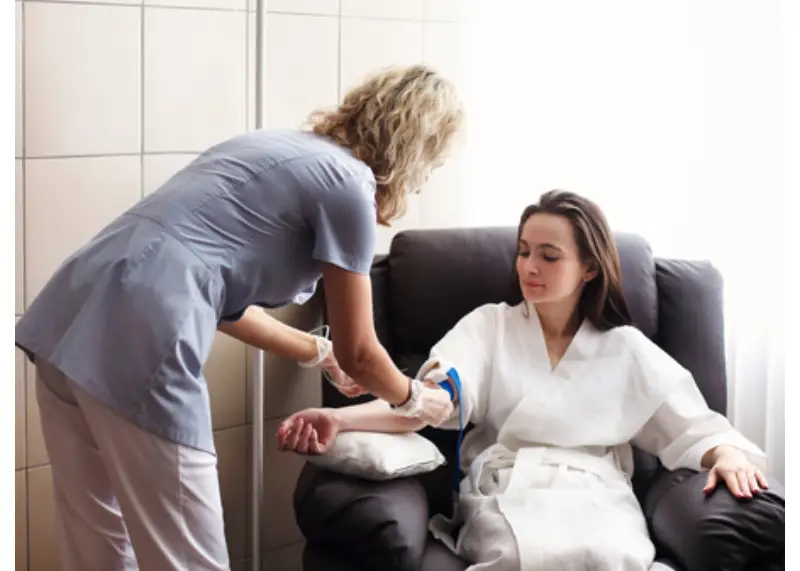
Key Skills Taught In An IV Therapy Course For Healthcare Workers
An IV therapy course equips healthcare workers with a variety of key skills crucial for effective patient care. These skills include identifying appropriate veins for IV insertion, preparing and handling IV equipment, maintaining proper hygiene to avoid infection, and monitoring patients for adverse reactions during the therapy. Additionally, participants learn to manage IV pumps and adjust fluid infusion rates based on patient needs. The course also covers techniques for troubleshooting common issues such as air embolism, infiltration, and extravasation, ensuring that healthcare workers are well-prepared for real-world challenges.
Benefits Of Taking An IV Therapy Course For Healthcare Workers
Enrolling in an IV therapy course provides numerous benefits for healthcare workers. It enhances their competence in performing intravenous procedures, allowing them to handle a wider range of medical situations with confidence. The course also improves patient safety by teaching proper techniques and infection control measures. Furthermore, healthcare workers gain valuable knowledge in managing complications, which directly impacts patient outcomes. By taking the course, medical professionals also increase their employability and advance their careers, as IV therapy proficiency is highly sought after in many healthcare settings, including hospitals, emergency care units, and outpatient clinics.
Understanding The Techniques In An IV Therapy Course For Healthcare Workers
A major focus of an IV therapy course is mastering the techniques used to perform safe and efficient IV insertions. Healthcare workers are taught how to assess patients for the most suitable IV insertion sites, particularly focusing on vein identification and patient comfort. They also learn how to prepare IV solutions and medications, ensuring accurate dosages and safe administration. The course emphasizes techniques for needle insertion, catheter placement, securing the IV line, and flushing to maintain patency. Moreover, healthcare workers are trained to observe for signs of complications, enabling them to respond quickly and appropriately in critical situations.
What To Expect From The Curriculum Of An IV Therapy Course For Healthcare Workers?
The curriculum of an IV therapy course for healthcare workers is structured to cover both theoretical knowledge and practical skills. It begins with an introduction to the anatomy and physiology of veins and fluids, followed by an in-depth understanding of different types of IV solutions and their clinical applications. Participants will engage in hands-on practice, where they learn to perform venipuncture, insert and maintain IV lines, and monitor patients for signs of complications. The course also includes lectures on patient assessment, infection prevention, and documentation requirements. This comprehensive approach ensures healthcare workers are equipped with all the necessary tools to perform IV therapy safely.
How An IV Therapy Course For Healthcare Workers Enhances Patient Care?
An IV therapy course significantly enhances patient care by teaching healthcare workers how to administer treatments in a safe, effective, and efficient manner. Properly trained professionals are more adept at preventing complications such as infection, infiltration, or phlebitis, leading to better patient outcomes. The course also helps healthcare workers assess patient conditions more accurately and make informed decisions regarding fluid management and medication administration. By improving both the technical and clinical skills of healthcare workers, the course ultimately leads to enhanced patient satisfaction, reduced hospital stays, and faster recovery times for patients undergoing IV therapy.
Certification And Career Advancement After An IV Therapy Course For Healthcare Workers
Upon successful completion of an IV therapy course, healthcare workers are typically awarded a certification that demonstrates their proficiency in intravenous therapy. This certification not only boosts their confidence but also enhances their professional credibility and employability. Many healthcare employers prefer or require certification in IV therapy, especially in roles such as nursing, emergency medical services, and hospital care. Additionally, this credential can open doors to career advancement opportunities, including leadership roles or specialized positions in departments such as infusion therapy or critical care, making it a valuable investment in one’s healthcare career.
Conclusion
Taking an IV therapy course for healthcare workers is an essential step in developing the skills necessary to provide high-quality, safe care to patients requiring intravenous treatments. From mastering the technical aspects of IV insertion to understanding patient monitoring and complication management, the course provides healthcare workers with the expertise they need. It not only enhances patient safety and care but also helps healthcare workers advance their careers, gaining certification that opens up new opportunities for professional growth and leadership in various healthcare settings.

Emery Richardson, a skilled writer residing in the vibrant city of Austin, Texas. With a passion for business and a deep understanding of technology, I weave words to illuminate complex topics. From startups to the latest tech trends, my expertise shines through. Join me on a journey of insightful exploration and engaging narratives.
How to Cite This Article
Emery Richardson. "What You’ll Learn In An IV Therapy Course For Healthcare Workers?." Act Out Loud, December 9, 2024. https://actoutloud.org/what-youll-learn-in-an-iv-therapy-course-for-healthcare-workers/