What You Need to Know About Ceramic Tiles Export from India?
The Indian ceramic tiles market is growing rapidly, projected to reach USD 19.71 billion by 2030, driven by exports and technology, despite challenges.
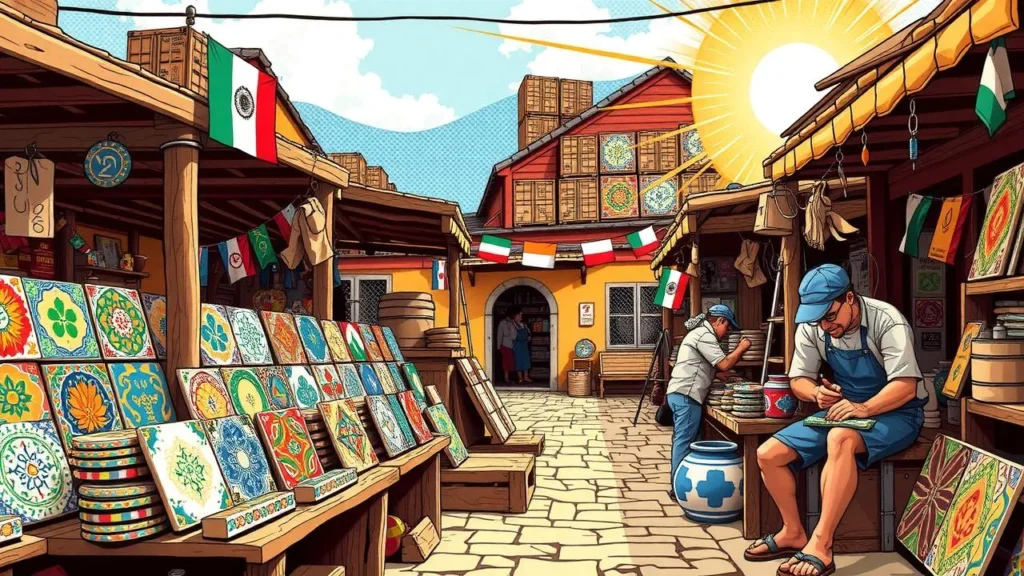
The Indian ceramic tiles market is on a remarkable growth trajectory, with projections indicating an increase from USD 10.45 billion in 2025 to USD 19.71 billion by 2030, at a solid CAGR of 13.54%. As the second-largest exporter globally, India has ramped up its exports significantly, growing from 55 million square meters in 2013 to nearly 590 million square meters by 2023. Key trends driving this surge include diversification into new markets like North America and Europe, alongside advancements in manufacturing technology that enhance tile quality and efficiency. The strong demand for durable, aesthetically pleasing tiles continues to open doors for further opportunities despite facing some challenges like raw material price fluctuations and global competition.
Overview of the Indian Ceramic Tiles Market
India’s ceramic tile market plays a vital role in the global ceramics industry, showcasing impressive growth. The demand for housing and infrastructure is driving this expansion, with consumers increasingly recognizing Indian ceramic tiles for their quality and affordability. This market comprises both organized and unorganized players, resulting in a wide variety of products.
The country is notable for its diverse production regions, particularly in Gujarat, Andhra Pradesh, and Rajasthan, each contributing to the overall output. Government initiatives are also supporting exports by enhancing manufacturing capabilities and reducing trade barriers. As consumer preferences shift towards eco-friendly and aesthetically appealing tiles, manufacturers are investing more in research and development to innovate and meet these demands.
The rise of e-commerce platforms has made it easier for consumers to explore various tile options, further boosting market accessibility. The popularity of interior design trends that favor ceramic tiles is also influencing consumer choices, establishing a strong market foundation for future growth.
Key Trends Driving Exports
The global demand for ceramic tiles is shifting alongside modern architectural trends, prompting a surge in innovative designs that cater to diverse consumer preferences. As the focus on sustainability grows, Indian manufacturers are adopting green practices, utilizing recycled materials and energy-efficient processes to meet international standards. Digital marketing and social media are becoming essential tools for promoting Indian tiles, allowing exporters to reach a wider audience and enhance brand visibility. Collaborations with international designers are also playing a key role in increasing acceptance and recognition of Indian tiles in foreign markets.
Commercial spaces are increasingly turning to ceramic tiles for their aesthetic and functional benefits, further boosting export potential. The availability of various styles, colors, and textures makes Indian tiles more appealing to global buyers, allowing them to cater to different tastes and requirements. Trade agreements are facilitating easier access to new markets, encouraging manufacturers to diversify their export destinations beyond traditional regions. Moreover, technological advancements in production are reducing lead times and improving responsiveness to market demands.
Participation in international trade fairs is on the rise, giving Indian manufacturers opportunities to showcase their products and connect with potential buyers. The focus on customization and tailored solutions is attracting more international clients, as businesses are looking for unique offerings that stand out in a competitive market. These trends collectively position India favorably in the global ceramic tiles export landscape, driving significant growth in recent years.
- The shift towards modern architecture has increased the demand for innovative tile designs in international markets.
- Sustainability is becoming a core focus, with manufacturers adopting green practices to meet global standards.
- Digital marketing and social media are playing a crucial role in promoting Indian tiles to a broader audience.
- Collaborations with international designers are enhancing brand visibility and acceptance in foreign markets.
- There is a rising trend of using ceramic tiles in commercial spaces, such as hotels and retail, boosting export potential.
- The availability of diverse styles, colors, and textures is making Indian tiles more appealing to global buyers.
- Trade agreements and partnerships are facilitating easier access to new markets for Indian exporters.
- The use of technology in production is reducing lead times and improving the response to market demands.
- Participation in international trade fairs is increasing, allowing Indian manufacturers to showcase their products.
- The focus on customization and tailored solutions is attracting more international clients.
Features of Indian Ceramic Tiles
Indian ceramic tiles come in a wide variety of types to meet different consumer needs. Options include glazed, unglazed, and printed tiles, allowing homeowners and designers to choose based on the look and functionality they desire. One of the standout features is their user-friendly design, ensuring easy installation and maintenance, which is a top priority for many consumers.
The range of designs, patterns, and finishes available is impressive, catering to every taste and application. From modern minimalistic styles to traditional motifs that reflect local culture and art, there’s something for everyone. Additionally, manufacturers are increasingly focusing on durability. Many tiles are now designed to resist scratches and wear, which enhances their longevity and makes them suitable for high-traffic areas.
Another appealing feature is the production of large-format tiles, which align well with contemporary architectural trends. These large tiles can create a seamless look, making spaces appear more expansive. Furthermore, innovative technologies are being utilized to produce tiles that mimic natural materials like wood and stone, giving consumers the aesthetic they want without the downsides of actual wood or stone.
Water and stain resistance are also common traits of Indian ceramic tiles, making them ideal for areas such as kitchens and bathrooms. For those concerned about health and hygiene, the availability of anti-bacterial tiles is a reassuring option, especially for residential and commercial spaces. Lastly, the growing trend of eco-friendly tiles made from recycled materials reflects a shift towards sustainability, appealing to environmentally conscious consumers. Overall, the features of Indian ceramic tiles make them a versatile and attractive choice in the global market.
Benefits of Using Indian Ceramic Tiles
Indian ceramic tiles offer a range of benefits that make them an ideal choice for both residential and commercial spaces. First and foremost, they are known for their excellent durability. This quality makes them suitable for high-traffic areas, ensuring they can withstand the wear and tear of everyday use without losing their charm. Additionally, the variety of designs available allows for extensive customization, enabling homeowners and designers to create unique looks for any interior or exterior space.
Another significant advantage is their resistance to moisture and stains, which is particularly important for areas like kitchens and bathrooms. This feature not only helps maintain hygiene but also simplifies cleaning, appealing to busy households and commercial settings alike. Furthermore, Indian ceramic tiles typically require low maintenance, which is a major convenience for those with hectic lifestyles.
Sustainability is becoming increasingly important, and many Indian manufacturers are adopting eco-friendly production practices. This focus on sustainability attracts eco-conscious buyers who are looking for responsible choices. Additionally, the availability of tiles that mimic natural materials provides aesthetic flexibility without the higher costs associated with real stone or wood.
Moreover, ceramic tiles offer good thermal insulation, which can contribute to energy savings in buildings by helping to keep spaces cooler in the summer and warmer in the winter. They come in various sizes and thicknesses, catering to different installation requirements and personal preferences.
Safety is also a key consideration, as some tiles feature non-slip surfaces that enhance safety, particularly in wet areas. Lastly, using Indian ceramic tiles can elevate property value due to their aesthetic appeal and long-lasting durability, making them a wise investment for homeowners.
Challenges and Opportunities
The ceramic tiles export industry in India faces several challenges that can impact its growth. One of the significant hurdles is the volatility of raw material prices, which can lead to uncertain production costs. Additionally, competition from other nations poses a challenge, especially when it comes to pricing. Countries like China often offer lower prices, making it crucial for Indian manufacturers to find ways to remain competitive.
Consumer preferences are constantly evolving, necessitating ongoing innovation in designs and materials. Companies must stay updated with trends to meet buyer expectations, which can be both an opportunity and a challenge.
Infrastructure issues, particularly in transportation and logistics, can hinder timely delivery to international markets. Delays can affect customer satisfaction and ultimately impact sales. The COVID-19 pandemic further exposed vulnerabilities in supply chains, pushing companies to adapt and rethink their operational strategies.
On the flip side, the growing demand for housing and commercial spaces offers vast opportunities for expansion. Urbanization trends in developing countries are creating new markets for ceramic tiles. Moreover, advancements in technology can enhance manufacturing efficiency and product quality, giving Indian tiles a competitive edge.
Global trends toward sustainability present another chance for Indian manufacturers. By focusing on eco-friendly products, they can attract environmentally conscious consumers. Investments in marketing and branding can also improve visibility in international markets, helping Indian tiles stand out.
Future Outlook for Indian Ceramic Tiles
The Indian ceramic tiles market is on a promising path, driven by ongoing urbanization and economic growth. As cities expand and lifestyles evolve, the demand for stylish and functional tiles is likely to surge. Emerging trends, such as personalization and sustainability, are shaping the future of product offerings. Consumers increasingly seek unique designs that reflect their individual tastes while also favoring eco-friendly materials. This shift will push manufacturers to innovate and create tiles that not only look good but also contribute to sustainable living.
Technological advancements are set to play a crucial role in production, enhancing efficiency and lowering costs. With automation and digital printing becoming more commonplace, the quality of tiles is expected to improve significantly. These innovations will not only meet the rising consumer expectations but also help manufacturers stay competitive in the global market.
The expansion of online retail channels is another area that will likely transform how tiles are sold. Consumers around the world will gain easier access to a broader variety of Indian ceramic tiles, making international shopping more convenient than ever. Additionally, building collaborations with global designers can elevate the perception of Indian tiles, opening doors to new markets and enhancing brand recognition.
Research and development will be vital in this evolving landscape, with companies focusing on innovative products that cater to changing consumer needs. The potential for exports to new markets in Africa and Southeast Asia is particularly promising, as these regions are experiencing their own urbanization and economic expansion. Supported by government initiatives aimed at boosting manufacturing, the Indian ceramic tiles industry is well-positioned for growth.
To sustain this momentum, building strong international partnerships will be essential. These collaborations can help Indian manufacturers navigate global markets more effectively and adapt to the preferences of diverse consumers. All these factors paint a bright future for the Indian ceramic tiles market, filled with opportunities for innovation and expansion.
Frequently Asked Questions
What are the main types of ceramic tiles exported from India?
India exports various types of ceramic tiles, including wall tiles, floor tiles, porcelain tiles, and vitrified tiles. Each type has its unique features and is suitable for different uses, such as residential or commercial.
How is the quality of Indian ceramic tiles maintained during export?
Quality control is crucial in the export process. Manufacturers often follow strict standards, conducting tests for durability, water absorption, and other characteristics to ensure that the tiles meet international quality specifications.
What are the common markets that import ceramic tiles from India?
Indian ceramic tiles are popular in many countries, especially in the United States, Europe, and the Middle East. These regions prefer Indian tiles due to their quality, design variety, and competitive advantage.
Are there specific trade regulations for exporting ceramic tiles from India?
Yes, exporters must comply with various trade regulations, including obtaining necessary certifications, adhering to packaging standards, and following export documentation requirements to ensure smooth shipping.
What factors contribute to the popularity of Indian ceramic tiles in the global market?
Several factors contribute to this popularity, including the variety of designs, affordable quality, innovations in manufacturing, and the ability to customize products to meet international buyer needs.
TL;DR The Indian ceramic tiles market is rapidly expanding, projected to grow from USD 10.45 billion in 2025 to USD 19.71 billion by 2030. As the second-largest exporter globally, India has seen a significant increase in both export volume and revenue, driven by factors like market diversification and technological advancements. Indian tiles are renowned for their durability, variety, and cost-effective production, with porcelain tiles dominating exports. Despite challenges such as raw material price fluctuations, the booming real estate sector presents promising opportunities. The future of Indian ceramic tiles looks bright as innovation and favorable trade conditions position India as a leading player in the global market.

James Scott was born in Missouri and studied at the University of Central Missouri. Currently working as Manager at ActoutLoud, James Scott helps readers learn the fields of Law, Marketing, Construction, Education, Health, etc hone their skills, and find their unique voice so they can stand out from the crowd.
How to Cite This Article
James Scott. "What You Need to Know About Ceramic Tiles Export from India?." Act Out Loud, August 4, 2025. https://actoutloud.org/what-you-need-to-know-about-ceramic-tiles-export-f/