Understanding the Market for Herbal Powder Export from India
India’s herbal powder exports thrive amid rising global demand for natural products. While facing quality and competition challenges, e-commerce and Ayurveda’s popularity present growth opportunities.
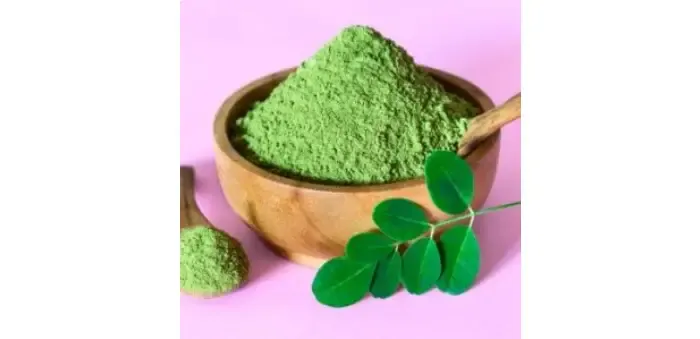
India stands out as a significant player in the global herbal powder export arena, thanks to its abundant biodiversity and deep-rooted herbal traditions. The surge in interest for natural products has fueled this market, especially with the post-COVID-19 focus on health. Popular herbs like Ashwagandha and Turmeric are paving new paths as consumers shift away from pharmaceuticals toward these natural alternatives. However, challenges like quality control and competition from countries like China linger. Yet, there’s potential here; e-commerce expansion and a growing global appetite for Ayurveda could open doors for Indian exporters to thrive if they adapt well to international standards and market demands.
1. Overview of India’s Herbal Powder Market
India stands as a key player in the global herbal powder export from India thanks to its vast biodiversity and deep-rooted traditions in herbal medicine. The country is recognized as one of the largest producers of herbal powders, which are increasingly sought after on the international stage. The surge in demand for natural and organic products is a driving force behind this growth, as consumers worldwide shift towards healthier lifestyles.
In recent years, the market has been significantly influenced by a growing awareness of health and wellness, particularly following the COVID-19 pandemic. This has led to an uptick in the popularity of dietary supplements, where herbal powders play a crucial role. Consumers are actively looking for herbal alternatives to conventional pharmaceuticals, propelling the market’s expansion.
Among the popular products, Ashwagandha, Turmeric, Moringa, and Brahmi stand out, with applications ranging from nutritional supplements to cosmetics and food ingredients. In 2022, India’s herbal powder exports reached approximately $180 million, and experts project an annual growth rate of 8-10%. Key markets for these exports include the USA, Europe, and Southeast Asia, where the demand for herbal products continues to rise.

2. Trends Shaping Herbal Powder Demand
The demand for herbal powders is undergoing significant transformation, influenced by various trends. Increasing health awareness has led consumers to seek natural and organic alternatives to conventional products. This shift is particularly evident in the dietary supplements sector, which has gained momentum since the COVID-19 pandemic, as people prioritize immune health and holistic well-being. Furthermore, there’s a growing preference for herbal remedies over pharmaceuticals, reflecting a shift towards natural healing practices.
In recent years, popular herbal powders such as Ashwagandha, Turmeric, and Moringa have gained traction not only in health circles but also in mainstream consumer markets. These products are now widely used in various applications, including dietary supplements, cosmetics, and food ingredients, broadening their appeal.
The global market is also influenced by the rise of e-commerce, which has become a vital channel for herbal powder sales. Consumers can now access a wide range of products from the comfort of their homes, leading to increased visibility and sales for exporters. Additionally, innovations in product formulations and packaging are enhancing market appeal, making these herbal powders more attractive to a diverse consumer base.
3. Popular Herbal Powder Products
India is renowned for its diverse range of herbal powders, which have gained popularity both domestically and internationally. Among the most sought-after products are Ashwagandha, known for its stress-relieving properties; Turmeric, celebrated for its anti-inflammatory benefits; Moringa, often referred to as a superfood due to its high nutritional value; and Brahmi, which is valued for its cognitive-enhancing effects. These herbal powders find applications not just in dietary supplements but also in cosmetics and food ingredients, tapping into the growing trend of natural and organic products. For instance, Ashwagandha is frequently incorporated into health supplements aimed at boosting vitality, while Turmeric is increasingly used in skincare products for its antioxidant properties. With the global shift towards holistic health solutions, these herbal powders are becoming essential components in various health and wellness products.
- Turmeric Powder
- Ashwagandha Powder
- Moringa Powder
- Hibiscus Powder
- Spirulina Powder
- Neem Powder
- Amla Powder
- Ginger Powder
- Matcha Powder
4. Herbal Powder Export Statistics
India’s herbal powder export market is significant, with approximately $180 million worth of herbal powders exported in 2022. This sector is expected to grow at an annual rate of 8-10%, reflecting a rising global interest in natural health products. The USA, Europe, and Southeast Asia are the primary destinations for these exports, driven by a strong demand for herbal solutions. Popular products like Ashwagandha, Turmeric, and Moringa play crucial roles in this market, often used in dietary supplements, cosmetics, and food ingredients. As awareness of holistic health continues to spread, the export figures are likely to rise, showcasing India’s potential in the global herbal powder landscape.
5. Understanding Regulatory Requirements
The export of herbal powders from India is tightly regulated to ensure product safety and quality. The Food Safety and Standards Authority of India (FSSAI) plays a crucial role in setting guidelines for the production and export of herbal products. Exporters must adhere to these regulations, which include obtaining necessary licenses and ensuring that products meet safety standards.
Additionally, the Export Inspection Council (EIC) oversees the compliance of exported goods with international quality standards. This is particularly important as many countries have strict import regulations for herbal products. For instance, to enter the U.S. market, exporters often need to secure certifications like USDA Organic, which guarantees that products are grown and processed according to specific standards.
Furthermore, maintaining consistent quality and avoiding contamination are vital. Exporters should implement rigorous quality control measures, such as testing for heavy metals and microbial contamination, to build trust with international buyers. By navigating these regulatory requirements effectively, Indian exporters can enhance their market access and reputation in the global herbal powder segment.
6. Challenges Facing Herbal Powder Exporters
Exporters of herbal powders from India face several significant challenges that can hinder their growth and reputation in international markets. One major issue is the lack of quality control and standardization within the industry. Many producers rely on traditional harvesting and processing methods, which can lead to variations in product quality. This inconsistency makes it difficult for exporters to meet the stringent quality expectations of global buyers.
Another pressing challenge is the risk of adulteration and contamination. Instances of herbal powders being mixed with inferior or harmful substances can tarnish the reputation of Indian products, making it crucial for exporters to implement rigorous testing and quality assurance practices.
Moreover, competition from countries like China and Brazil poses a threat. These nations have well-established herbal processing industries and often provide similar products at competitive prices, making it harder for Indian exporters to maintain their market share.
Lastly, navigating the complex regulatory landscape can also be daunting for exporters. Compliance with both domestic and international regulations, including certifications such as USDA Organic, requires significant time and resources, which can be particularly challenging for small and medium enterprises.
7. Opportunities for Growth in Exports
The herbal powder export market from India is brimming with potential. As global interest in natural and organic products rises, Indian exporters can capitalize on this trend by promoting their rich heritage of Ayurveda and traditional medicine. The growing consumer preference for herbal alternatives to conventional pharmaceuticals is a clear signal of opportunity. E-commerce is also transforming how herbal powders are marketed and sold, allowing exporters to reach consumers directly, which can lead to increased sales and brand loyalty.
Moreover, innovations in product formulations, such as combining various herbal powders for enhanced health benefits, can attract more customers. For example, blends that combine Ashwagandha with Turmeric can cater to the health-conscious demographic increasingly seeking holistic wellness solutions. Additionally, attractive and sustainable packaging can further elevate the appeal of these products in international markets.
The rise in dietary supplements, particularly after the COVID-19 pandemic, has created a favorable environment for herbal powders. As people focus more on health and wellness, the demand for quality herbal products is expected to surge. By staying ahead of trends and ensuring compliance with international quality standards, Indian exporters can not only expand their market share but also establish a strong presence in the global herbal powder industry.
8. Key Players in the Herbal Powder Industry
The herbal powder export industry in India is marked by a mix of established corporations and smaller enterprises that contribute significantly to the market. Major players like Herbalife, Himalaya Drug Company, and Patanjali Ayurved dominate the landscape, offering a wide range of herbal powders that cater to both domestic and international demands. Herbalife, known for its global reach, provides various herbal supplements, while Himalaya Drug Company focuses on integrating traditional knowledge with modern science, emphasizing the efficacy of herbal ingredients.
In addition to these giants, small and medium enterprises (SMEs) play a crucial role, often specializing in niche herbal products. These companies may focus on organic certifications or unique formulations that appeal to health-conscious consumers. For instance, some SMEs produce specialized powders from lesser-known herbs like Ashwagandha or Moringa, tapping into the growing trend of superfoods.
This diverse player landscape not only enhances competition but also drives innovation, as companies strive to meet the evolving preferences of consumers seeking natural and organic alternatives.
9. Future Prospects for the Herbal Market
The future of the herbal powder export market from India appears promising, driven by growing consumer interest in natural health solutions. As people become more health-conscious, they are increasingly gravitating towards herbal alternatives for wellness and nutrition. This trend is expected to continue, particularly as more individuals seek to boost their immune systems and overall health in the wake of the COVID-19 pandemic.
Moreover, the rise of e-commerce platforms presents a significant opportunity for Indian exporters to reach a global audience. With online shopping becoming the norm, selling herbal powders through these channels can enhance visibility and accessibility for consumers worldwide. Companies that invest in digital marketing and online sales strategies stand to gain a competitive edge.
Investment in research and development will also play a crucial role in shaping the market’s future. By innovating product formulations and exploring new applications for herbal powders, Indian exporters can cater to evolving consumer preferences and expand into new markets. For instance, combining traditional herbal powders with modern dietary trends could attract a broader customer base.

James Scott was born in Missouri and studied at the University of Central Missouri. Currently working as Manager at ActoutLoud, James Scott helps readers learn the fields of Law, Marketing, Construction, Education, Health, etc hone their skills, and find their unique voice so they can stand out from the crowd.
How to Cite This Article
James Scott. "Understanding the Market for Herbal Powder Export from India." Act Out Loud, April 10, 2025. https://actoutloud.org/understanding-the-market-for-herbal-powder-export-from-india/