The Rise Of Immersive Visuals: How Real Estate Rendering Services Are Shaping Buyer Perceptions
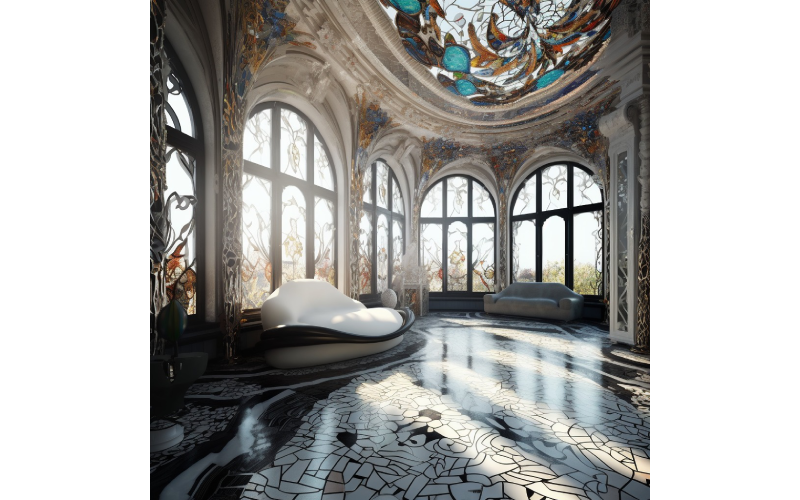
In the digital age, where visuals dominate communication, the real estate industry is undergoing a profound transformation. Prospective buyers no longer rely solely on blueprints or flat images to understand a property’s potential. Instead, they expect immersive, interactive visuals that bring spaces to life before a single brick is laid. This evolution is largely driven by real estate rendering services, which have become an indispensable tool in the world of property marketing and architectural design. But beyond their practical use, these services are influencing how buyers emotionally connect with properties — and that shift has powerful implications for developers, architects, and designers alike.
Visual Storytelling: The New Language Of Real Estate
A rendered image is no longer just a static depiction of a space — it’s a narrative tool. Today’s real estate rendering services integrate elements like lighting, texture, landscape, and even human activity to create a story that resonates with target audiences. These images help potential buyers visualize how they might live, work, or interact within a space. A cozy reading nook by the window, a sunlit breakfast bar, or a serene backyard garden can evoke emotions that spreadsheets or floor plans never could.
By crafting a visual story, designers create a compelling first impression that is critical in early-stage sales and marketing. And with advanced rendering technologies like ray tracing and real-time engines, these stories are becoming more lifelike than ever. This storytelling aspect aligns seamlessly with companies like RENDEREXPO, where client goals and emotional resonance drive the rendering process.
Bridging The Gap Between Architects And Buyers
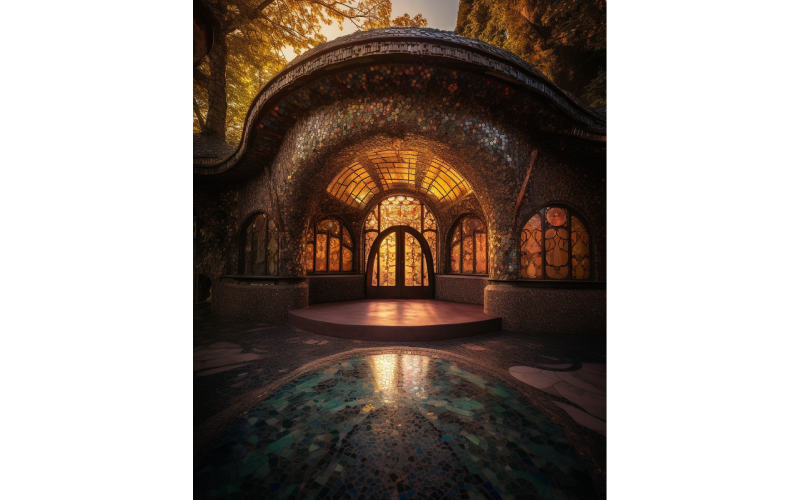
One of the most significant challenges in real estate is the disconnect between architectural plans and client understanding. Even with annotated blueprints or technical illustrations, many buyers struggle to grasp spatial layouts, scale, or design intent. Real estate rendering services bridge that gap with clarity and precision.
Photorealistic visualizations help translate complex design language into digestible, compelling visuals. Whether it’s a luxurious apartment complex or a sustainable commercial space, renderings enable architects and developers to communicate design intent effectively. This collaborative clarity minimizes misunderstandings, expedites feedback cycles, and allows stakeholders to make informed decisions earlier in the process.
This model of visual collaboration mirrors RENDEREXPO’s client-centric approach, where active involvement ensures that no detail is lost in translation. Rendering becomes not just a deliverable, but a collaborative checkpoint in the design journey.
Enhancing Pre-Sales And Marketing Strategies
In competitive property markets, timing is everything. Real estate professionals need to generate buzz, secure investments, and attract buyers — often before construction begins. This is where real estate rendering services truly shine.
High-quality 3D renders are marketing gold. They power virtual tours, interactive websites, brochures, social media campaigns, and investor pitch decks. With minimal physical assets, developers can showcase the full potential of a property, from finishes to furnishings to landscape integration. This is particularly valuable for international investors or remote buyers who rely heavily on visual material to evaluate opportunities.
Moreover, these services support faster go-to-market strategies, as they remove the dependency on physical models or finished showrooms. This agility gives marketing teams a head start and enables real-time updates as design changes evolve.
Sustainability And Smart Design Through Visualization
Real estate rendering isn’t just about aesthetics — it’s increasingly used to promote sustainable design choices. With growing demand for eco-conscious construction, developers must now demonstrate how green materials, energy efficiency, and natural lighting factor into their projects. Renderings allow for precise simulation of environmental elements like sunlight angles, ventilation flow, and green coverage, which can be invaluable in LEED or WELL certification processes.
By visualizing sustainable features — such as solar panels, green roofs, or reclaimed wood interiors — designers can educate buyers and stakeholders on the environmental impact of the build. This promotes a higher level of transparency and encourages more mindful real estate development.
Creative studios that emphasize cutting-edge technology, like RENDEREXPO, are ideally positioned to support this shift — providing not only beautiful visuals but also meaningful data behind the design.
The Future Of Real Estate Rendering: Interactivity And XR
The future of rendering is immersive and interactive. Technologies like AR (Augmented Reality), VR (Virtual Reality), and XR (Extended Reality) are blurring the line between digital and physical spaces. Imagine a buyer walking through a yet-to-be-built penthouse in real time using a VR headset, customizing countertops, or switching light fixtures on demand. These experiences create a sense of ownership and excitement that no 2D image can match.
As these technologies become more accessible, real estate rendering services will evolve from static tools into interactive design platforms. This will democratize design participation and give clients unprecedented control over how their future spaces are conceived.
Such dynamic collaboration is at the heart of next-gen rendering — a space where RENDEREXPO’s commitment to feedback loops and visual innovation will continue to thrive.
Conclusion
Real estate rendering services are more than just an upgrade in visualization — they are transforming the way properties are marketed, understood, and experienced. From immersive storytelling to real-time collaboration, these services empower buyers, align stakeholders, and accelerate project timelines. As the industry moves towards greater interactivity and sustainability, the role of high-quality, client-focused rendering will only deepen.
In this changing landscape, the fusion of design excellence and collaborative technology is not just a differentiator — it’s a necessity. And for those involved in bringing visions to life, it’s a reminder that every line drawn or pixel rendered is a step toward a shared, stunning future.
Resource Url:
https://en.wikipedia.org/wiki/Real_estate_development

Emery Richardson, a skilled writer residing in the vibrant city of Austin, Texas. With a passion for business and a deep understanding of technology, I weave words to illuminate complex topics. From startups to the latest tech trends, my expertise shines through. Join me on a journey of insightful exploration and engaging narratives.
How to Cite This Article
Emery Richardson. "The Rise Of Immersive Visuals: How Real Estate Rendering Services Are Shaping Buyer Perceptions." Act Out Loud, April 25, 2025. https://actoutloud.org/the-rise-of-immersive-visuals-how-real-estate-rendering-services-are-shaping-buyer-perceptions/