The Future of Visualization: How 3D Design and Rendering is Changing Industries?
Last Updated:
Imagine stepping into a world where your ideas leap off the page and come to life in stunning detail. This is not just a dream; it’s the reality created by 3D design and rendering. As technology advances, industries are discovering innovative ways to harness this powerful tool. From architecture to entertainment, businesses are transforming their processes and captivating audiences like never before.
Gone are the days when flat sketches ruled the design process. Today, immersive experiences take center stage, allowing clients and consumers alike to visualize concepts in breathtaking three-dimensional clarity. But what exactly does this mean for various sectors? Let’s explore how 3D design and rendering are revolutionizing industries across the board while paving the way for future innovations that will shape our lives even further.
The Impact of 3D Design on Various Industries
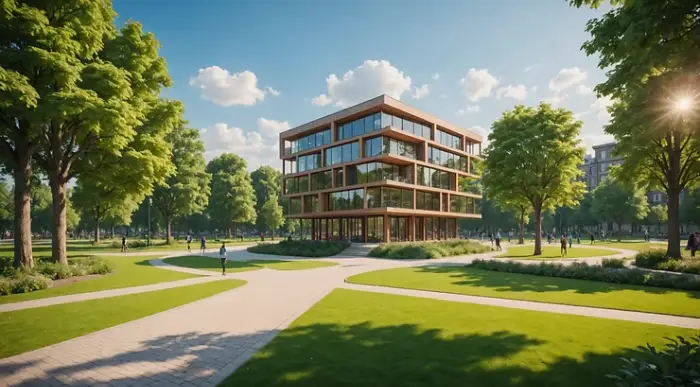
3D design and rendering have transformed multiple industries, reshaping how professionals visualize and execute their ideas. In architecture, for instance, designers can create lifelike models that help clients grasp spatial concepts with ease. This clarity fosters better decision-making during the planning phase.
In manufacturing, prototypes crafted through 3D modeling allow engineers to identify potential flaws before production begins. This proactive approach saves time and reduces costs significantly.
The entertainment industry has also embraced this technology. Filmmakers use advanced 3D animation techniques to create stunning visuals that captivate audiences worldwide. Video games benefit from immersive environments designed using cutting-edge rendering methods.
Healthcare is not left behind either; medical practitioners utilize 3D visualization to plan complex surgeries or develop custom prosthetics tailored to individual patients’ needs. As these examples show, the impact of 3D design reaches far beyond mere aesthetics—it drives innovation across diverse fields.

Advancements in Technology: From CAD to VR
The evolution of technology has reshaped 3D design and rendering dramatically. Computer-Aided Design (CAD) was once the cornerstone, allowing designers to create detailed blueprints efficiently. However, its limitations became evident as industries sought more immersive experiences.
Virtual Reality (VR) emerged as a game-changer. It transforms static designs into interactive environments where users can engage with models in real-time. This shift allows for a deeper understanding of spatial relationships and user interactions.
Moreover, software advancements have streamlined workflows. Integrating artificial intelligence enhances design processes by automating repetitive tasks. As a result, professionals can focus on creativity rather than technicalities.
These developments are not just trends; they redefine how we visualize concepts across various sectors—from architecture to product development, enhancing clarity and collaboration along the way. The transition from CAD to VR exemplifies an exciting era in visualization capabilities that continues to evolve rapidly.
Benefits of Using 3D Design and Rendering
3D design and rendering offer numerous advantages across various sectors. One of the primary benefits is enhanced visualization. Complex ideas transform into clear, lifelike images that clients can easily understand.
This clarity leads to better decision-making. Stakeholders can evaluate designs before they’re built, reducing costly revisions later on.
Moreover, 3D rendering streamlines communication among teams. Designers, engineers, and marketers speak a visual language that transcends words.
Additionally, it saves time in the creation process. Rapid prototyping allows for quick adjustments based on feedback without starting from scratch.
Cost efficiency is another significant advantage. Investing in 3D design reduces errors and minimizes material waste during production.
Incorporating these visuals enhances presentations and pitches. Engaging imagery captures attention more effectively than traditional methods do.
Real-Life Applications and Case Studies
3D design and rendering find applications across a wide range of industries, showcasing their versatility. In architecture, firms use these tools to create stunning visualizations that aid in client presentations. Potential buyers can walk through virtual models before construction begins.
In the automotive industry, companies harness 3D technology for prototyping. Designers create detailed renderings that help visualize new vehicle concepts without the need for physical models. This speeds up innovation and reduces costs significantly.
Healthcare is another sector benefiting from this technology. Medical professionals utilize 3D visualization for complex surgeries, allowing them to plan procedures with precision by seeing realistic representations of patient anatomy beforehand.
Retailers are also leveraging 3D design in e-commerce platforms. Virtual fitting rooms enable customers to see how products look on them, enhancing the shopping experience while reducing return rates. These examples illustrate just a fraction of what’s possible with innovative 3D design and rendering techniques today.
The Role of 3D Visualization in Marketing and Advertising
3D visualization has become a game-changer in marketing and advertising. Brands now leverage stunning visuals to capture attention and convey complex ideas simply.
With 3D design, products can be showcased from every angle before they even hit the market. This builds anticipation and excitement among consumers.
Interactive elements further enhance user engagement. Potential customers can explore products virtually, leading to better-informed purchasing decisions.
Additionally, 3D animations tell compelling stories that resonate with audiences on an emotional level. They help brands stand out in crowded markets by creating memorable experiences.
From social media campaigns to immersive websites, the application of 3D rendering is vast. Businesses are realizing that striking imagery not only attracts eyes but also fosters trust and credibility in their offerings.
Future Possibilities and Predictions for the Industry
The future of 3D design and rendering is brimming with potential. As technology continues to evolve, the ways we visualize ideas will transform dramatically.
Imagine real-time collaboration on projects across continents. Designers could work seamlessly with clients in different time zones, making adjustments instantly.
Artificial intelligence will likely enhance creativity. AI-driven tools may suggest design improvements or generate entire scenes based on simple inputs. This could streamline workflows and inspire fresh concepts.
Moreover, as virtual reality becomes more mainstream, immersive experiences are expected to redefine how stakeholders interact with designs. Clients might walk through a building before it’s constructed or experience products in their environment.
Sustainability is another area poised for growth within 3D visualization. Eco-friendly materials can be modeled and tested digitally, leading to greener solutions without physical waste.
The landscape of 3D design and rendering holds exciting possibilities that promise to reshape industries as we know them today.
Conclusion
The landscape of design and visualization is evolving at an unprecedented pace. As we continue to embrace 3D Design and Rendering, its profound influence across various sectors is becoming increasingly evident. This technology not only enhances creativity but also streamlines processes, making it a vital component in industries like architecture, healthcare, entertainment, and marketing.
With advancements such as virtual reality (VR) and augmented reality (AR), the possibilities are expanding daily. Businesses that adopt these technologies stand to gain significant competitive advantages. They can better engage clients with immersive experiences that bring ideas to life in ways traditional methods cannot match.
As we look ahead, the integration of artificial intelligence and machine learning with 3D design will likely open new frontiers for precision rendering and automation. This may lead to faster project turnarounds while maintaining high-quality output—factors crucial for staying relevant in today’s fast-paced market environment.
The potential applications are limitless—from enhancing product visualizations for e-commerce platforms to revolutionizing training simulations in corporate environments. The future holds exciting opportunities for those willing to innovate and adapt within this dynamic field.
Embracing 3D Design and Rendering isn’t just about keeping up; it’s about setting the stage for what’s next in visual storytelling across all industries.

James Scott was born in Missouri and studied at the University of Central Missouri. Currently working as Manager at ActoutLoud, James Scott helps readers learn the fields of Law, Marketing, Construction, Education, Health, etc hone their skills, and find their unique voice so they can stand out from the crowd.
How to Cite This Article
James Scott. "The Future of Visualization: How 3D Design and Rendering is Changing Industries?." Act Out Loud, March 4, 2025. https://actoutloud.org/the-future-of-visualization-how-3d-design-and-rendering-is-changing-industries/