The Future of Joint Health: Unpacking Robotic Knee Replacement Surgery

Are you living with persistent knee pain that limits your daily activities and keeps you from enjoying life? You’re not alone. Millions worldwide experience discomfort due to worn-out knee joints, often from conditions like osteoarthritis. For many, finding lasting relief becomes a top priority.
While traditional knee replacement surgery has been a successful treatment for decades, medical technology continues to advance. Today, a newer, more precise option is helping people regain their mobility with even better outcomes. This advanced technique, known as robotic knee replacement surgery, brings remarkable precision to the operating room. It’s revolutionizing how surgeons approach joint replacement, offering a more personalized experience.
In this article, we’ll explore what robotic knee replacement surgery is all about. We’ll look at its benefits, how it works, and what makes advanced systems like MAKO stand out. Our goal is to provide clear, easy-to-understand information to help you consider this modern solution for your knee health.
What is Robotic Knee Replacement Surgery? A New Era of Precision
Robotic knee replacement surgery is a modern approach to total knee replacement. It uses a robotic arm or handheld tool to help the surgeon perform the procedure with greater accuracy. It is important to understand that the robot does not perform the surgery by itself. Instead, it works as a highly advanced assistant, guided by an experienced orthopedic surgeon.
This technology allows the surgeon to create a detailed, personalized surgical plan before the operation begins. During surgery, the robotic system provides real-time feedback and guidance. This helps the surgeon make very precise cuts and position the new knee implant perfectly. It is all about enhancing the surgeon’s skills with cutting-edge tools.
The goal is to replace the damaged parts of your knee with artificial components. These new parts are called implants. The robot’s role is to ensure these implants are placed in the best possible position for your unique anatomy. This can lead to a more natural feeling knee and a smoother recovery.
The MAKO Difference: An Advanced Approach
Many robotic systems are available, but some offer unique advantages. The MAKO Robotic-Arm Assisted Total Knee Replacement system is one such advanced technology. It provides a highly personalized surgical experience. This system focuses on giving the surgeon even more control and precision.
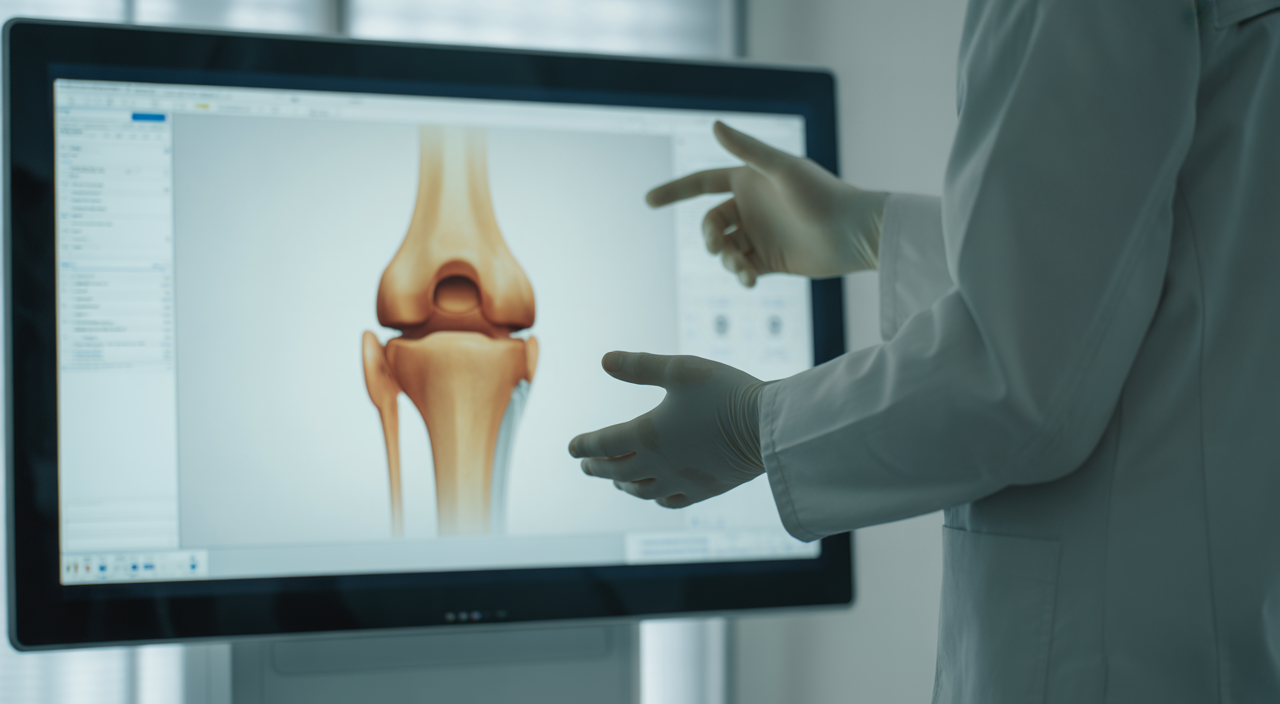
Before your surgery, the MAKO system uses a 3D CT scan of your knee. This scan creates a virtual model of your joint. Your surgeon then uses this model to plan your surgery in great detail. They can decide the exact size and placement of your new knee implant. This plan is completely customized to your bone structure and soft tissues.
During the surgery, your surgeon uses the robotic arm. This arm has what’s called “haptic feedback.” Think of it like a gentle resistance that helps the surgeon stay within the planned area. If the surgeon moves outside the predetermined boundaries, the robotic arm provides feedback to guide them back. This helps protect healthy bone and tissue around the knee.
MAKO vs. Traditional Knee Replacement: A Clear Advantage
When comparing MAKO to traditional knee replacement, several differences stand out. Traditional surgery relies on X-rays and the surgeon’s visual assessment during the procedure. While effective, it doesn’t offer the same level of preoperative planning and intraoperative guidance.
With MAKO, the 3D CT scan provides a much clearer picture of your knee’s unique structure. This leads to a truly customized surgical plan. The haptic guidance of the robotic arm ensures that the bone cuts are incredibly precise. This helps in positioning the implant with millimeter-level accuracy.
Patients often experience benefits like improved alignment of the implant. This can result in a more natural feeling knee and possibly faster recovery times. The precision also helps preserve more of your healthy bone and soft tissues. This can lead to better long-term outcomes for your joint.
Is Robotic Knee Replacement Surgery Right for You? Candidacy & Considerations
Not everyone needs robotic knee replacement surgery, but it is a great option for many. Generally, candidates are individuals experiencing significant knee pain. This pain often impacts their quality of life. It usually comes from conditions like osteoarthritis, post-traumatic arthritis, or rheumatoid arthritis.
Your orthopedic specialists will consider several factors. These include your age, overall health, activity level, and the severity of your arthritis. If non-surgical treatments like medication, injections, or physical therapy haven’t provided enough relief, surgery might be the next step.
Debunking Myths: What Robotic Surgery Isn’t
It’s common to have questions about new medical technologies. Some people worry that a robot will perform the surgery by itself. This is a myth. The robot is a tool, always under the direct control and supervision of your surgeon. Your surgeon remains in charge of the entire procedure.
Another misconception is that robotic surgery is “experimental.” MAKO and similar systems have been used for many years. They have a proven track record of safety and effectiveness. This technology is a refined enhancement of surgical precision, not a complete overhaul of the surgical principles.
The Journey: What to Expect Before, During, and After Robotic Knee Surgery
Understanding the process can help ease any worries you might have. The journey of robotic knee replacement surgery involves several steps, all designed to ensure the best possible outcome.
Pre-Surgery: Preparation and Planning
Your journey starts with a thorough consultation. Your surgeon will evaluate your knee, discuss your symptoms, and review your medical history. X-rays and a specialized CT scan will be taken to get a detailed view of your knee joint. This data is crucial for creating your personalized MAKO surgical plan. You’ll also receive instructions on how to prepare for surgery, including any necessary physical therapy.
The Procedure: Precision in Action
On the day of surgery, you’ll receive anesthesia to ensure comfort. During the operation, your surgeon will make an incision to access your knee joint. They will use the MAKO robotic arm, guided by the precise plan created just for you. The robotic arm assists in preparing the bone surfaces and accurately placing the new implants. Your surgeon maintains full control, making all decisions. The robot ensures that these decisions are carried out with unmatched precision.
Recovery from Robotic Knee Replacement: Faster, Smoother, Stronger
After surgery, you will begin your recovery. Most patients stay in the hospital for a few days. Physical therapy usually starts almost immediately. This helps restore movement and strengthen your knee. Early movement is key to a successful recovery from robotic knee replacement.
The recovery timeline varies for everyone. Many patients notice reduced pain and improved mobility fairly quickly. You’ll progress from walking with assistance to walking independently. Within a few weeks or months, many can return to most of their daily activities. Your surgeon and physical therapist will provide a personalized recovery plan tailored to your needs.
The Benefits of Robotic Knee Replacement: Why Choose This Path?
Choosing robotic-assisted surgery offers several compelling advantages for patients. These benefits contribute to a more positive surgical experience and potentially better long-term results.
- Enhanced Precision: The technology allows for extremely accurate cuts and implant placement, customized to your unique anatomy.
- Improved Implant Alignment: Precise alignment can lead to a more natural feeling knee and potentially extend the life of your knee implant.
- Potential for Faster Recovery: The accuracy of the procedure may lead to less tissue trauma, which can result in less pain and quicker return to activity.
- More Natural Feel: Better alignment and positioning can help the knee feel more like your own.
- Reduced Risk: Enhanced precision can lead to a lower risk of complications associated with implant malpositioning.
These benefits of robotic knee replacement make it an attractive option for those seeking the best possible outcome for their knee health.
Choosing Your Surgeon: The Importance of Expertise and Technology
The success of any knee replacement surgery, robotic or traditional, depends greatly on the surgeon’s skill and experience. When considering robotic knee replacement, it’s vital to choose a surgeon who is not only highly experienced in knee surgery but also specifically trained and proficient with robotic systems like MAKO.
An expert surgeon understands how to leverage the technology to its fullest potential. They combine their surgical expertise with the robot’s precision. This ensures a personalized plan and meticulous execution. Look for a surgeon known for their patient-centered care and commitment to advanced, proven techniques.
Conclusion: Step Towards a Pain-Free Future
Living with chronic knee pain can be challenging. However, advancements in orthopedic surgery offer hope for a brighter, more active future. Robotic knee replacement surgery, particularly with advanced systems like MAKO, represents a significant step forward in joint care. It combines the surgeon’s skill with robotic precision. This leads to personalized outcomes and potentially faster recoveries.
If you’re considering options for your knee pain, exploring robotic knee replacement surgery is a wise step. Discuss your individual situation with a qualified orthopedic surgeon. They can help you understand if this advanced procedure is the right path for you to regain mobility and live pain-free.
Frequently Asked Questions
Q1: How long does the recovery from robotic knee replacement surgery typically take?
Recovery times can vary, but generally, patients begin physical therapy very soon after surgery. Most people can walk with assistance within a day or two. Full recovery, allowing a return to most daily activities and light exercise, often takes 3 to 6 months. Your personalized rehabilitation plan will guide your specific timeline.
Q2: Is robotic knee replacement covered by health insurance?
Most health insurance plans, including government programs and private insurers, typically cover robotic knee replacement surgery. This is because it is considered a medically necessary procedure for treating severe knee arthritis. However, it’s always best to check with your specific insurance provider. This will confirm your coverage details and any out-of-pocket costs before proceeding with treatment.

James Scott was born in Missouri and studied at the University of Central Missouri. Currently working as Manager at ActoutLoud, James Scott helps readers learn the fields of Law, Marketing, Construction, Education, Health, etc hone their skills, and find their unique voice so they can stand out from the crowd.
How to Cite This Article
James Scott. "The Future of Joint Health: Unpacking Robotic Knee Replacement Surgery." Act Out Loud, December 31, 2025. https://actoutloud.org/the-future-of-joint-health-unpacking-robotic-knee-replacement-surgery/