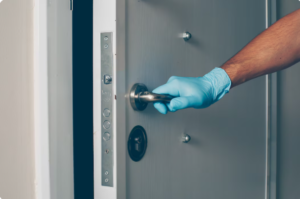
Modern Security Door Installation: What to Expect?
Installing a modern security door boosts home protection with durable materials, precise measurements, and regular maintenance for effectiveness.
Last Updated:
When planning to install a modern security door, there are several factors you should consider. First off, these doors serve to significantly enhance home security by adding an extra layer against break-ins. They typically come in various materials like reinforced steel or wrought iron, balancing durability with visual appeal. You have the option of doing it yourself if you’re handy or hiring a professional for more complex installations; each has its pros and cons. Proper tools are crucial too, including a power drill and screwdrivers. Also, it’s wise to take careful measurements before starting so you avoid costly mistakes down the road. Regular maintenance afterward will ensure your door remains effective in protecting your family and property.
1. Purpose of Modern Security Doors
Modern security door play a crucial role in enhancing the safety of your home. Their primary function is to provide an additional layer of security against break-ins, deterring potential intruders with their robust design. This added protection is especially important for families, as it reduces the risk of theft and property damage, contributing to a safer living environment. Homeowners often find peace of mind knowing that security doors act as a barrier, allowing them to feel more secure in their homes.
Moreover, security doors also improve overall home safety for children and pets by creating a secure boundary. They protect against extreme weather conditions, ensuring that your home remains safe and comfortable regardless of the elements outside. Additionally, these doors can serve as a barrier against pests and unwanted animals, helping to maintain a clean and safe living space.
Investing in security doors can also enhance property value, as potential buyers often look for homes with improved security features. Finally, they provide a sense of control over who has access to your home, allowing homeowners to feel more in charge of their living space.

2. Types of Security Doors
Security doors come in various types, each designed to meet different needs and preferences. The materials used often include reinforced steel or wrought iron, providing maximum durability and resistance against break-ins. When it comes to designs, you can find options that not only prioritize strength but also offer aesthetic appeal, allowing homeowners to choose styles that complement their house’s architecture.
Many security doors feature special elements such as heavy-duty locks and reinforced frames, ensuring added protection. Custom design options are also available, which means you can tailor the door to fit perfectly with your home while ensuring it remains robust. For those looking for additional functionality, some models come with mesh screens to allow for ventilation without compromising security.
If you live in an area prone to severe weather, impact-resistant doors are a suitable choice as they can withstand harsh conditions. Fire-rated doors are another option, designed to protect against fire hazards. In the era of smart technology, you can also find smart security doors that integrate with home automation systems for remote access and monitoring. Security grilles provide a unique balance of visibility and protection, making them ideal for those who want to maintain a view while ensuring safety. Lastly, if budget is a concern, there are plenty of budget-friendly options that offer basic security features without breaking the bank.
3. Installation Overview
When it comes to installing a modern security door, you have two main options: doing it yourself or hiring a professional. DIY installation can be a good fit if you have basic home improvement skills. It can save you money on labor costs, but you need to pay close attention to detail, especially with irreversible screws that could cause problems later on. However, if you’re dealing with complex installations or doors that aren’t standard sizes, professional installation is the way to go. Professionals ensure that everything is up to code and that the door is properly sealed and aligned, which is essential for security. Additionally, many professional installations come with a warranty, giving you peace of mind about the work done. If you’re unsure about which type of door to choose or how to proceed, getting professional advice can be invaluable.
4. Tools and Materials Needed
To install a modern security door, you’ll need a set of specific tools to ensure the job is done right. A power drill is essential for making holes and driving screws into sturdy materials. A screwdriver, especially a one-way screwdriver, is crucial for securing the door tightly. Measuring tape helps you take precise measurements of the doorway, while a level ensures that the door is installed straight and functions properly. If you’re replacing an old door, a pry bar may be necessary to remove it or its frame.
Additionally, a utility knife can be handy for trimming any materials, and a hammer is useful for securing nails or adjusting frames. Clamps are also important as they hold the door in place while you work, preventing any movement that could lead to misalignment. Don’t forget safety goggles to protect your eyes from debris, and work gloves to keep your hands safe during installation.
For the materials, you’ll typically need a security door kit that includes the door itself, the frame, and necessary hardware. One-way screws are often recommended for a more secure installation, along with nuts and washers to ensure everything is tightly fastened. With the right tools and materials, you can effectively enhance your home security.
5. Installation Steps
Step 1: Preparation is crucial. Gather all the necessary tools and materials to avoid interruptions during the installation process. Check the security door kit to ensure it includes all components, like the door, frame, and hardware.
Step 2: Measuring the doorway accurately is essential. Use a measuring tape to determine the width and height of the opening. Pay attention to any irregularities in the frame, as this will help ensure a proper fit for the door.
Step 3: Position the door frame in the opening. Ensure it is level and aligned correctly. Mark the positions for hinges and locks clearly on the frame before moving on to the next step.
Step 4: Installing the hardware comes next. Attach the hinges to the frame using the provided screws, preferably one-way screws, as they offer additional security. Follow the manufacturer’s instructions to install the lock, ensuring it functions correctly.
Step 5: Finally, secure the door with side jambs to create a tight seal, enhancing security against forced entry. Attach an expander at the bottom of the door to prevent drafts and keep pests out.
6. Cost Considerations
When considering the cost of a modern security door installation, it’s important to account for various factors. Basic steel security doors typically range from $300 to $800. If you’re looking for something more upscale, high-end designs can set you back anywhere from $1,000 to over $4,000, depending on the materials and unique features you choose. Installation costs also vary: standard installations typically fall between $200 and $500, but if the job is more complex, you might see expenses exceed $1,000 due to additional labor and materials required.
For those who prefer a DIY approach, the cost mainly revolves around the door kit, which can run between $600 and $4,600. Keep in mind, if you don’t already have the necessary tools, you’ll need to factor in those costs as well. Additionally, it’s wise to consider potential repair costs if the installation does not go as planned. Getting familiar with these financial aspects helps ensure that you set a realistic budget for your security door installation.
7. Common Mistakes to Avoid
When installing a modern security door, there are several common mistakes that can compromise both the installation process and the overall effectiveness of the door. One significant error is not measuring the doorway accurately. If the dimensions are off, you may end up with a door that doesn’t fit properly, which can lead to security vulnerabilities or functional issues.
Another mistake is failing to repair any damage to the door frame before installation. A weak or damaged frame can affect the door’s stability and security, making it easier for intruders to break in. Additionally, misaligning the door during installation is a frequent oversight, as it may cause the door to not function correctly, leading to difficulties in opening or closing.
It’s also important to be aware of local building codes that may impact your installation, as overlooking them can lead to legal issues or safety concerns. Using inadequate tools or materials can jeopardize the door’s security features, so always opt for high-quality hardware and proper tools.
Neglecting to seal gaps properly is another mistake; this can allow drafts and moisture to enter, potentially damaging your home over time. Skipping a level check might seem minor, but it can cause the door to sag, which affects usability and security.
Always check for any obstructions that may hinder the door movement, as this can lead to frustration and damage. Lastly, don’t forget to read the manufacturer’s instructions thoroughly before starting the installation, as they provide crucial details specific to your door model. Installing a door without a helper can also lead to mistakes, as an extra pair of hands can ensure everything is aligned and secured properly.
8. Maintenance Tips
Regular maintenance is crucial for ensuring the longevity and reliability of your security door. Start by checking the hinges and locks for any signs of wear and tear. These components are essential for maintaining security, so if you notice any issues, address them promptly. Make sure the door opens and closes smoothly without any resistance, as this could indicate misalignment or other mechanical problems.
Inspect the door frame and seals for any damage or deterioration. A damaged frame can compromise the door’s effectiveness, while worn seals may allow drafts and pests to enter. Cleaning the door regularly helps prevent rust or corrosion, especially if it’s made of metal.
Periodically lubricate the locks and hinges to ensure smooth operation, which can also extend their lifespan. If the door’s surface becomes chipped or worn, repaint or touch up the paint as needed to protect it from the elements.
It’s also wise to check for any gaps around the door and reseal them to prevent drafts, which can increase energy costs. Frequently test the lock’s functionality to ensure it operates reliably. If the door appears misaligned, make necessary adjustments to maintain proper alignment. Finally, consider scheduling a professional inspection if you notice significant wear, as they can spot issues that may not be immediately apparent.
9. FAQs
Can I install a security door myself? Yes, if you possess basic DIY skills. Are security doors really secure? Yes, they are designed with robust materials and secure locking mechanisms. Should the door swing inward or outward? Security doors typically swing outward for better security and access control. What is the lifespan of a security door? Most quality security doors can last over 20 years with proper maintenance. Can security doors be painted? Yes, but it is important to use the right type of paint to avoid damage. Are there energy-efficient options? Yes, some security doors are designed with insulation to improve energy efficiency. Do I need a permit for installation? Check local building codes, as some areas may require permits for door installations. What is the weight of a typical security door? They can range from 100 to 300 pounds depending on materials and design. Can pets use security doors? Some designs come with pet doors integrated for convenience. What if my door doesn’t fit perfectly? Use shims or adjust the frame to provide a proper fit.
Frequently Asked Questions
1. What materials are commonly used for modern security doors?
Modern security doors are typically made from strong materials like steel, fiberglass, or solid wood. These materials provide durability and help keep your home safe.
2. How long does it take to install a security door?
The installation of a security door usually takes a few hours, depending on the complexity of the door and the existing door frame. It’s a relatively quick process.
3. Will a security door change the look of my home?
Yes, a security door can enhance the appearance of your home. Many options are available in various styles and colors to complement your home’s design.
4. Do I need to do anything to prepare for the installation of a security door?
Before installation, it’s helpful to clear the area around your entry door. Make sure there’s enough space for the installers to work and remove the existing door if needed.
5. What features should I look for in a security door?
When choosing a security door, consider features like strong locks, reinforced frames, and impact-resistant materials. Look for doors that meet safety standards for added protection.

James Scott was born in Missouri and studied at the University of Central Missouri. Currently working as Manager at ActoutLoud, James Scott helps readers learn the fields of Law, Marketing, Construction, Education, Health, etc hone their skills, and find their unique voice so they can stand out from the crowd.
How to Cite This Article
James Scott. "Modern Security Door Installation: What to Expect?." Act Out Loud, July 30, 2025. https://actoutloud.org/modern-security-door-installation-what-to-expect/