Is Land for Sale in Florida a Good Investment?
Investing in Florida land offers growth potential due to rising population and tourism, but buyers must weigh risks like natural disasters and costs.
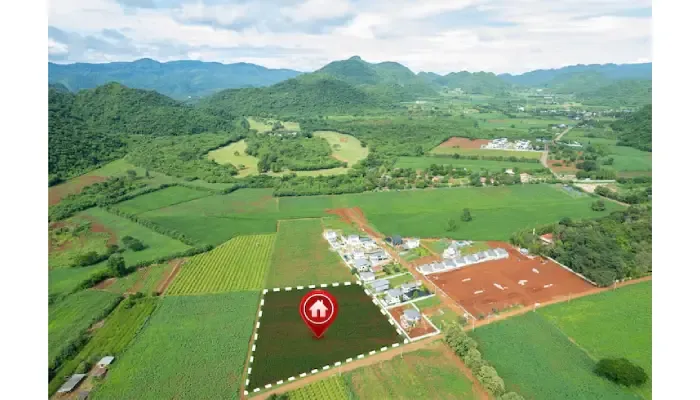
Investing in land for sale in Florida may seem intriguing, and it does come with some advantages. The state’s population has been growing steadily, reaching over 21 million people, which boosts housing demand. Florida’s appealing climate and tourism draw also enhance opportunities for various developments. However, potential buyers must consider risks like hurricanes and flooding that could impact property values. While some areas have affordable land options, prime locations can require significant upfront costs and ongoing taxes. Carefully researching zoning laws and understanding personal investment goals are essential steps before diving into this potentially lucrative market.
1. Economic and Demographic Trends in Florida
Land for sale in Florida is experiencing significant economic and demographic growth, making it a region of interest for land investment. The state’s population surged over 14% from 2010 to 2020, reaching about 21.5 million. This increase has led to a heightened demand for housing, creating opportunities for land investment. The diverse job market in Florida attracts a workforce from various sectors, further boosting local economies. Many people are migrating from high-tax states, drawn by Florida’s attractive tax advantages, including no personal income tax, which enhances disposable income and makes the state appealing for both residents and investors.
Additionally, Florida’s median household income is on the rise, increasing purchasing power among residents. The state’s proximity to major markets and ports supports trade and commerce, making it an ideal location for business development. Educational institutions and universities in Florida contribute to innovation and create a skilled workforce, fostering economic growth.
Infrastructure improvements are also a key factor. Enhanced roads, public transportation, and utilities support growth and connectivity throughout the state. The healthcare sector is expanding its facilities and services to meet rising demand, especially with an influx of retirees, which also impacts real estate and community services. This demographic shift brings cultural diversity, enriching local communities and economies and making Florida a dynamic place for investment.

2. Advantages of Buying Land in Florida
Buying land in Florida comes with several advantages that make it an appealing investment. The state’s favorable climate allows for year-round outdoor living, which attracts both residents and tourists. This climate not only enhances the lifestyle for those who live there, but also supports a thriving tourism industry, generating demand for various types of properties. Florida’s fertile land is ideal for agricultural ventures, providing opportunities for those interested in farming or sustainable practices. Additionally, the absence of a state income tax makes Florida an attractive place for investors and residents alike, as it allows for greater disposable income.
Access to stunning beaches and natural parks significantly boosts property values, as many people are drawn to the state’s natural beauty. The rental market is robust, especially for vacation properties, making it a lucrative option for those looking to generate income from their land. With the rising interest in eco-friendly and sustainable developments, there are more opportunities to invest in land that aligns with these values. Furthermore, Florida offers a wide range of land options at various price points, making it accessible for investors with different budgets.
For those interested in recreational use, Florida’s diverse landscape provides ample opportunities for activities such as camping, hunting, and other outdoor pursuits. In tourist hotspots, there are also potential commercial development opportunities, which can yield high returns. Finally, many regions in Florida boast a strong sense of community, fostering investor confidence and adding to the overall appeal of purchasing land in the state.
- Favorable climate supports outdoor living and tourism
- Potential for agricultural ventures due to fertile land
- No state income tax attracts investors and residents
- Access to beautiful beaches and natural parks enhances property value
- Robust rental market for vacation properties
- Growing interest in eco-friendly and sustainable developments
- Opportunities for recreational use, such as camping and hunting
- Availability of land at various price points to accommodate budgets
- Potential for commercial developments in tourist hotspots
- Strong sense of community in many regions fosters investor confidence
3. Disadvantages of Buying Land in Florida
Investing in land in Florida comes with several disadvantages that potential buyers should carefully consider. One significant concern is the risk of natural disasters, such as hurricanes and flooding, which can severely impact property value and safety. This risk often leads to high insurance premiums for flood and hurricane coverage, adding to the overall cost of ownership. Additionally, land use restrictions and zoning issues can hinder development plans, making it essential to thoroughly understand local regulations before purchasing.
Seasonal fluctuations in property demand can also affect cash flow, especially in tourist-heavy areas. During off-peak seasons, the market may slow down, impacting the potential for rental income or resale. Environmental regulations may further limit development options, particularly in areas with sensitive ecosystems.
Some counties in Florida have high property taxes, which can strain budgets for landowners. Moreover, maintenance costs for undeveloped land, such as weed control and tree trimming, can accumulate over time, creating additional financial burdens. Competition for desirable properties can drive prices up, making it harder for new investors to find affordable options.
In more remote areas, accessing utilities and services can pose challenges, potentially complicating development efforts. Lastly, the real estate market can be volatile, with economic shifts impacting investment stability. All these factors demand careful consideration when deciding whether to invest in land in Florida.
4. Important Factors to Consider Before Investing
Before diving into land investment in Florida, it’s crucial to consider several key factors. Start with thorough market research to grasp local trends. Understanding how the market is evolving can guide your decisions effectively. Evaluate the long-term potential of the area you are interested in, as regions experiencing growth often yield better returns. Accessibility and infrastructure play a significant role as well; locations with good roads and services tend to attract more buyers and investors.
Zoning laws and land use regulations are also vital. These laws dictate what you can or cannot do with the land, which can impact your investment’s viability. Environmental risks cannot be overlooked either, as Florida is known for its susceptibility to hurricanes and flooding. Assessing these risks helps in making informed decisions and avoiding future liabilities.
Look into the potential for future development in the area. If a neighborhood is on the brink of new projects, investing early can be advantageous. Define your personal investment goals clearly, whether you’re looking for a vacation spot, rental income, or long-term appreciation can influence your choices.
Consulting with local real estate experts can provide valuable insights, especially if you are new to land investment. They can highlight historical property value trends that may not be immediately apparent. Finally, consider the ongoing expenses associated with owning land, such as taxes and maintenance, as these can add up and affect your overall investment.
5. Current Market Trends and Insights
The Florida land market is currently experiencing significant shifts driven by various factors. One major trend is the increased demand for rural and suburban land, largely due to urban flight as people seek more space and a quieter lifestyle. This is especially true as remote work becomes more normalized, prompting individuals to consider living further from urban centers. Additionally, areas near the coast are seeing rising prices as buyers compete for properties with desirable views and access to beaches.
Investors are also showing a keen interest in land suited for agricultural use, as food security and local farming gain importance. Lesser-known counties are emerging as promising markets, offering affordable land options that could yield substantial returns in the future. The growing trend towards sustainable and eco-friendly land development aligns with consumer preferences for environmentally responsible living, further boosting demand.
Moreover, the high demand for vacation rental properties in tourist hotspots adds another layer of opportunity for land investors. Technological advancements in real estate marketing are making it easier for buyers to access information and find suitable land, enhancing competition in the market. While market corrections often follow rapid growth periods, these adjustments can create favorable buying opportunities for savvy investors. Notably, an influx of out-of-state investors is intensifying competition, driving up prices in popular areas. Overall, these trends indicate a dynamic landscape for land investment in Florida.
6. Effective Investment Strategies for Land
Focusing on long-term appreciation rather than quick flips is key when investing in land. It’s essential to research and identify emerging markets where land values are expected to rise, as this can lead to better returns over time. Consider forming partnerships with other investors to share the risks and resources required for land acquisition and development. Additionally, utilizing land for dual purposes, such as farming combined with recreational activities, can enhance its value and income potential.
Leverage financing options that align with your investment goals; for instance, using owner financing or land contracts can make your investment more affordable. Staying informed about local development plans can help you anticipate growth in specific areas, potentially increasing your land’s value. Evaluating the potential for short-term rentals, such as camping sites or vacation homes, can also generate immediate income.
Diversifying your land investments across different regions can mitigate risks associated with market fluctuations. Continuously monitoring market trends is vital, as it allows you to adjust your strategies as needed. Engaging in community development projects can also enhance property value, making your land not just an investment, but a contribution to the local economy.
Frequently Asked Questions
What are the benefits of buying land in Florida?
Buying land in Florida can offer great opportunities. It’s often a good long-term investment, it can provide options for future development, and the state has a warm climate and beautiful scenery that attracts many people.
What should I know about zoning laws in Florida before buying land?
Zoning laws determine how land can be used, so it’s important to check these regulations before buying. They can affect what you can build or do with the land, so you want to ensure it meets your plans.
How can I find out about land development in the area I’m interested in?
To learn about land development, you can check with local planning departments, look for community development plans, and research online to see any upcoming projects in that area.
What are the risks of investing in land in Florida?
Like any investment, buying land in Florida has risks. The market can change, development plans can be delayed, and natural disasters are also a consideration. Doing your research and knowing what to expect can help you navigate these risks.
How can I determine if a specific piece of land is a good investment?
To determine if a piece of land is a good investment, consider factors like location, future growth potential, accessibility, and nearby amenities. Researching these aspects will provide insights into the land’s value and viability.

James Scott was born in Missouri and studied at the University of Central Missouri. Currently working as Manager at ActoutLoud, James Scott helps readers learn the fields of Law, Marketing, Construction, Education, Health, etc hone their skills, and find their unique voice so they can stand out from the crowd.
How to Cite This Article
James Scott. "Is Land for Sale in Florida a Good Investment?." Act Out Loud, August 1, 2025. https://actoutloud.org/is-land-for-sale-in-florida-a-good-investment/