How to Tell If You’re Buying the Best Chocolate Powder?
When choosing chocolate powder, consider types like unsweetened, Dutch-processed, and natural. Check for quality, ethical sourcing, and proper storage to maintain freshness.
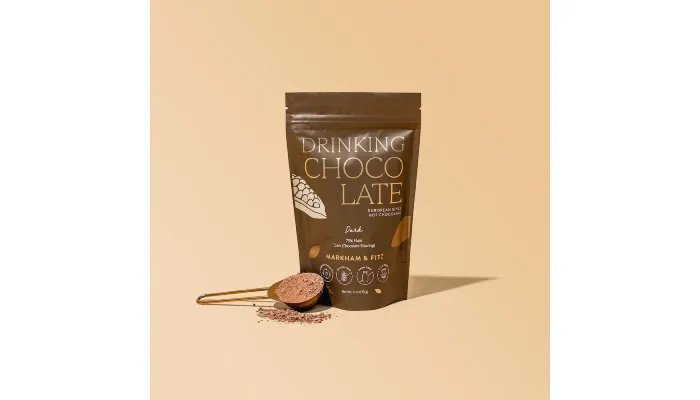
When buying chocolate powder, there are a few important factors to consider. First, know the types: unsweetened cocoa gives you the strongest flavor for recipes, while Dutch-processed offers a milder taste and deeper color. Natural cocoa retains some acidity and works best with baking soda. Then think about flavor profiles, do you want intense chocolate or something more mellow? Check the quality: high-quality cocoa should contain 18% to 22% fat and be labeled as 100% cocoa without added sugars or stabilizers. Also look for ethically sourced products, and don’t forget to store your powder properly for maximum freshness.
1. Types of Cocoa Powder Explained
Cocoa powder comes in three main types, each with its own unique characteristics. Unsweetened cocoa powder is the purest form, made by grinding cocoa beans and removing the cocoa butter. This type is perfect for recipes where you want a strong chocolate flavor, like brownies and rich chocolate cakes. On the other hand, Dutch-processed cocoa powder has been treated with an alkaline solution, which neutralizes its acidity. This results in a milder flavor and a darker color, making it an excellent choice for cookies and sauces that require a smoother chocolate taste. Lastly, natural cocoa powder retains its acidity and has a slight fruity flavor. It works best in recipes that use baking soda for leavening, such as certain cakes and muffins. Understanding these differences is key to choosing the right cocoa powder for your baking needs, as each type can significantly affect the taste, texture, and appearance of your finished goods.

2. Understanding Flavor Profiles
When selecting chocolate powder, understanding the flavor profiles is essential. Unsweetened cocoa offers the richest chocolate flavor, making it a favorite for chocolate lovers who crave intensity in their desserts. On the other hand, Dutch-processed cocoa has a milder taste, ideal for delicate recipes where a softer chocolate note is desired. Natural cocoa powder retains its acidity, providing a bright and tangy flavor that pairs beautifully with sweet ingredients, enhancing overall balance in your baking.
It’s important to consider how the bitterness or sweetness of cocoa will interact with other ingredients in your recipe. For instance, if you’re making a rich chocolate cake, using unsweetened cocoa can elevate the chocolate intensity, while for a light mousse, Dutch-processed might be a better choice. Flavor profiles can differ based on the origin of the cocoa beans, so experimenting with different types might yield surprisingly delightful results.
Some cocoa powders may even have subtle notes of fruit or spice, adding complexity to your desserts. Personal preference plays a significant role in your choice; some may prefer the boldness of unsweetened cocoa, while others might lean towards the smoothness of Dutch-processed. Additionally, combining different cocoa types can create a unique flavor that stands out, allowing you to tailor your baking experience to your liking.
3. Importance of Leavening Agents
Leavening agents play a vital role in creating the right texture for baked goods. When using natural cocoa powder, its acidity interacts well with baking soda, helping your cakes and cookies achieve a nice rise. In contrast, Dutch-processed cocoa lacks this acidity, so you might want to use baking powder instead. Understanding how these interactions work can significantly improve your baking outcomes. For instance, if you switch from natural to Dutch-processed cocoa, you may need to adjust the leavening agents to maintain the desired fluffiness. Experimenting with different combinations can lead to a better crumb structure, giving your treats that perfect lightness. However, always follow your recipe guidelines for the best results. Testing different leavening methods can enhance both the flavor and texture of your baked goods, but be careful, too much leavening can produce undesirable results.
- Leavening agents are crucial for achieving the right texture in baked goods.
- Natural cocoa powder’s acidity interacts well with baking soda for leavening.
- Dutch-processed cocoa does not provide acidity, so baking powder is often used.
- Understanding how cocoa interacts with leavening agents can improve recipe outcomes.
- Substituting cocoa types may require adjusting the leavening agents used.
- Experimenting with different combinations can lead to better rise and fluffiness.
- Leavening agents help in achieving the desired crumb structure in cakes and cookies.
- Always follow recipe guidelines for best results when using cocoa in baking.
- Testing different leavening combinations can enhance flavor and texture.
- Keep in mind that too much leavening can lead to undesirable results.
4. Color and Appearance of Cocoa
The color and appearance of cocoa powder play a significant role in the appeal of baked goods. Different types of cocoa yield various shades that can enhance or alter the visual impact of your treats. Unsweetened cocoa powder, known for its rich, deep color, creates dark, indulgent desserts that look luxurious and inviting. On the other hand, Dutch-processed cocoa brings a reddish-brown hue, often sought after in recipes that aim for a specific aesthetic appeal. If you prefer a lighter tone, natural cocoa powder retains some acidity, resulting in a more subtle, reddish color that can suit certain recipes beautifully.
Interestingly, color can influence how we perceive flavor. Darker baked goods are frequently assumed to taste richer and more intense, which can elevate the overall dessert experience. For bakers, choosing cocoa based on its color is a common practice, aligning the final product with their presentation goals. It’s essential to recognize that color differences can also indicate the type of cocoa used, guiding consumers in their choices.
When selecting cocoa powder, consider how its color will affect consumer preferences. A deep, dark cake might appeal more to chocolate lovers, while a lighter dessert could attract those who prefer a milder flavor. Experimenting with different types of cocoa can help you strike the right balance between color and flavor, ensuring your baked goods are as visually appealing as they are delicious.
5. Identifying Quality Indicators
When choosing chocolate powder, there are several quality indicators to keep in mind. First, look for cocoa that has a fat content between 18% to 22%, as this range typically signifies richness and flavor depth. Opt for products labeled as 100% cocoa, ensuring they are free from additives and fillers, which can dilute the quality. The aroma is another important factor; fresh cocoa should have a rich and inviting smell that hints at its quality.
Take note of the texture as well. A good cocoa powder should feel smooth and should not be gritty or clumpy, which may indicate lower quality. When you mix the cocoa with liquids, it should dissolve easily, reflecting proper processing methods.
Packaging plays a role too; make sure the cocoa is in intact, sealed packaging to protect it from air and moisture. Reputable brands often share information about their sourcing and processing methods, which can be a sign of quality. Additionally, checking consumer reviews can provide insights into the quality of specific cocoa powders, helping you make an informed choice. Don’t hesitate to taste test different brands to find your personal preference, and look for certifications on the packaging that indicate adherence to quality standards.
6. Ethical Sourcing of Cocoa
When buying chocolate powder, consider the ethical sourcing of cocoa. Look for brands that support fair trade practices, ensuring that farmers receive fair compensation for their hard work. Organic certifications are also important, as they indicate the cocoa is grown without harmful pesticides and chemicals. Researching a brand’s policies can shed light on their commitment to sustainable farming practices, which often leads to better quality cocoa. Supporting brands that focus on community development in cocoa-growing regions not only aids the farmers but can also enhance the flavor of the chocolate powder. Ethically sourced cocoa is cultivated with care, leading to richer, more complex flavors. Transparency in the supply chain builds trust in the brand, allowing you to feel good about your purchase. Additionally, ethical sourcing contributes to the preservation of biodiversity in cocoa farming, which is crucial for maintaining healthy ecosystems. Brands that invest in farmer education typically produce higher quality cocoa, as knowledgeable farmers can employ better cultivation techniques. As consumer demand for ethically sourced products rises, many brands are changing their practices to meet these expectations. By choosing ethical brands, you are making a positive impact on the environment and supporting sustainable practices in the chocolate industry.
7. Best Storage Recommendations
To keep your cocoa powder fresh and flavorful, store it in a cool, dry place. An airtight container is crucial to prevent any moisture or odors from affecting the cocoa. Avoid refrigeration, as it can introduce humidity, which may lead to clumping. Additionally, keep the cocoa away from strong-smelling foods to preserve its natural aroma. For optimal quality, it’s best to use cocoa powder within a year, as its flavor can diminish over time. Label your containers with purchase dates to easily track freshness. Regularly check for signs of spoilage, such as clumping or off smells, to ensure you’re using high-quality cocoa. If you want to extend its shelf life, consider repackaging it in vacuum-sealed bags. For long-term storage, freezing cocoa in small portions is a great option. Always remember to return the container to a cool place immediately after using it.
8. Decoding Product Labeling
When you’re shopping for chocolate powder, the labels can be quite revealing. Watch out for terms like ‘cocoa mix,’ as these often contain added sugars and fillers that can dilute the rich flavor of pure cocoa. Instead, seek out products with clear ingredient lists that highlight pure cocoa. If you notice mentions of added flavors, it could indicate lower quality or the presence of artificial ingredients, which might not give you the authentic taste you’re looking for.
It’s also important to understand the difference between cocoa powder and cocoa solids, especially if you’re planning to bake. The processing methods can greatly affect the flavor and quality, so look for details on the packaging. Additionally, if you have any sensitivities, check for allergen warnings, particularly for dairy or nuts.
Some brands may include tasting notes on their packaging, which can guide your expectations about flavor. Don’t overlook the nutritional information either, as it can help you assess the health benefits of the cocoa you’re considering. Lastly, comparing labels across different brands can empower you to make informed choices, and educating yourself on common marketing terms can help you avoid misleading purchases.
9. Tips for Cocoa Substitutions
When substituting cocoa types, it’s essential to keep leavening agents in mind for the best results. For example, if you’re replacing Dutch-processed cocoa with natural cocoa, remember to adjust your baking soda accordingly, as natural cocoa retains acidity that helps with leavening. Conversely, using Dutch-processed cocoa in place of natural may slightly alter the flavor but is generally acceptable in recipes with baking powder. If a recipe specifically calls for unsweetened cocoa, steer clear of sweetened options to avoid unexpected sweetness and ensure accurate results.
Cocoa powder can often be swapped with chocolate bars; a good rule of thumb is that 3 tablespoons of cocoa equals 1 ounce of chocolate. For a crunchier texture in certain recipes, consider using cocoa nibs, which add a delightful bite. Another option is carob powder, which can replace cocoa for a different flavor profile altogether.
When making substitutions, start with a smaller amount and adjust to taste, especially in recipes where cocoa is a star ingredient. Keep in mind that experimenting with different types of cocoa may be necessary to achieve the desired results, as substitutions can also affect the color and appearance of your baked goods.
10. Conducting Taste Tests
Conducting taste tests can be a fun and informative way to discover your favorite cocoa powder. Start by gathering a selection of different cocoa powders, including unsweetened, Dutch-processed, and natural varieties. Prepare similar recipes, like brownies or hot cocoa, using each type. During your taste tests, take notes on the flavor, aroma, and texture of each cocoa. This will help you track what you like best.
Inviting friends or family to join can provide diverse opinions. You might find that others appreciate flavors you didn’t notice. To further reduce bias, consider blind tastings, where participants don’t know which cocoa they’re tasting. This method can often reveal subtle differences that might not be apparent in baking alone.
Don’t hesitate to experiment with different recipes, as each cocoa can perform differently in various applications. For instance, you may find that a particular cocoa shines in chocolate cake but not as much in cookies. Keeping a record of which cocoa works best in specific recipes can guide your future purchases and adjustments. Overall, taste testing is not only about finding the best cocoa but also a delightful learning experience in your kitchen.
12. Ingredient Interactions in Baking
Understanding how cocoa powder interacts with other ingredients is key to achieving delicious baked goods. For instance, when cocoa meets sugars and fats, it contributes to the deep, rich flavors that many crave. Pairing cocoa with spices like cinnamon or chili can elevate the taste, adding unexpected layers of complexity. It’s also important to note that cocoa’s natural acidity can affect texture; this is especially true for cakes and cookies, where balance is crucial.
When using cocoa, be mindful of how it affects your batter or dough. It absorbs moisture, which can lead to changes in baking times and the final texture of your treats. For best results, balance cocoa with other dry ingredients to maintain the right consistency. Experimenting with liquids like coffee or milk can enhance cocoa’s flavor, allowing for a more rounded taste.
Cocoa’s interaction with eggs is also vital, as it impacts leavening and structure in your baked items. Additionally, the temperature of your cocoa, whether it’s at room temperature or cold, can influence how it mixes with other ingredients, affecting the final outcome. Melting cocoa with fats, such as butter or oil, can also intensify its rich flavor. Don’t shy away from using cocoa in savory dishes either; its ability to interact with spices can create unique and complex flavors.
Resource URL:
https://markhamandfitz.com/collections/chocolate-beverages
https://en.wikipedia.org/wiki/Chocolate

James Scott was born in Missouri and studied at the University of Central Missouri. Currently working as Manager at ActoutLoud, James Scott helps readers learn the fields of Law, Marketing, Construction, Education, Health, etc hone their skills, and find their unique voice so they can stand out from the crowd.
How to Cite This Article
James Scott. "How to Tell If You’re Buying the Best Chocolate Powder?." Act Out Loud, August 3, 2025. https://actoutloud.org/how-to-tell-if-you-re-buying-the-best-chocolate-po/