How to Support Your Partner During IVF in San Diego?
Support your partner during IVF with honest communication, shared tasks, education, healthy habits, and seeking counseling or local groups like the Fertility Institute of San Diego.
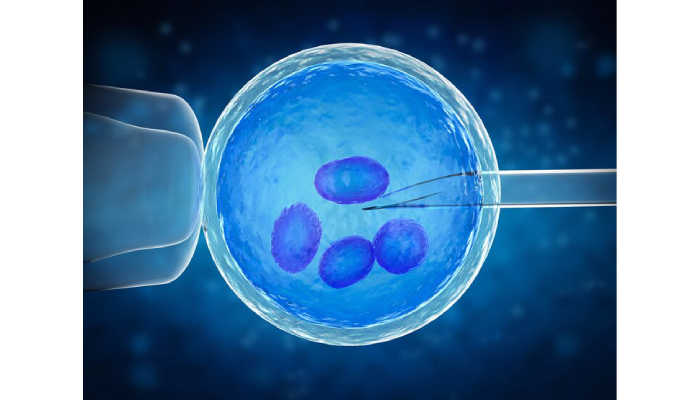
Supporting your partner during IVF in San Diego starts with open and clear communication. It’s important to share feelings honestly and set limits on how long you discuss infertility to avoid feeling overwhelmed. Sharing practical tasks like appointment scheduling, managing medications, and attending doctor visits shows you’re in this together. Educate yourself about the IVF process so you can better understand what your partner is going through emotionally and physically. Encouraging healthy habits such as balanced eating and moderate exercise helps both of you stay strong. Don’t hesitate to seek counseling or join local support groups at clinics such as Fertility Institute of San Diego for extra help.
Open and Clear Communication During IVF
Being open and clear with your partner during IVF is essential to avoid misunderstandings and build trust. Share your thoughts and feelings honestly, but also set specific times to talk about IVF so conversations stay focused and don’t become overwhelming. Agree together on what parts of your IVF journey you feel comfortable sharing with family and friends to protect your privacy. It’s important to listen actively when your partner expresses emotions, even if they differ from your own, and to avoid blaming or making assumptions about their feelings or actions. Communication styles may shift during this process, so be ready to adapt and use “we” language to emphasize teamwork and shared responsibility. Check in regularly to see how each of you is coping, and be patient if your partner needs time to process emotions or information. If something your partner says isn’t clear, ask for clarification rather than guessing. These habits create a supportive environment where both partners feel heard and connected throughout the journey.
- Express your thoughts and feelings honestly to avoid misunderstandings.
- Set specific times to talk about IVF to keep conversations focused and manageable.
- Agree on which details about your IVF journey you want to share with family and friends.
- Listen actively when your partner shares emotions, even if they differ from your own.
- Recognize that communication styles may change during IVF and adjust accordingly.
- Use ‘we’ language to reinforce teamwork and shared responsibility.
- Avoid blaming or making assumptions about feelings or actions.
- Check in regularly about how each of you is coping with the process.
- Be patient when your partner needs time to process information or emotions.
- Seek clarity if something your partner says is unclear instead of guessing.

Sharing the Practical IVF Workload
Supporting your partner during IVF means sharing the many practical tasks that come with the process. Taking turns managing appointments helps spread out the responsibility so one person doesn’t feel overwhelmed. You can also assist by organizing medications and setting reminders for injections or pills, which can be tricky to keep track of. Attending medical visits together not only shows your support but keeps you both informed about treatment progress and next steps. Helping with transportation to and from clinic appointments can reduce stress and make the experience smoother for your partner. Handling insurance paperwork and financial details related to IVF treatments is another way to ease the burden, allowing your partner to focus on recovery and care. At home, coordinating daily chores and preparing meals that follow nutrition guidelines recommended for IVF can make a big difference in maintaining a calm environment. Researching fertility treatments and options together equips you both with knowledge to make informed decisions. Staying organized by keeping track of medical instructions and clinic recommendations ensures nothing important is missed. Finally, offering to manage calls or messages about treatment scheduling can help reduce your partner’s mental load during what can be a demanding time.
Educate Yourself About the IVF Process
Taking the time to understand the IVF process can make a significant difference in how you support your partner. IVF involves several key stages: ovarian stimulation, where medications encourage the ovaries to produce multiple eggs; egg retrieval, a minor procedure to collect those eggs; fertilization, either in a lab dish or via ICSI; and finally, embryo transfer, when the fertilized embryo is placed in the uterus. Knowing what happens during each step helps you anticipate what your partner will go through physically and emotionally.
Medications used during IVF often come with side effects such as mood swings, bloating, or fatigue. Being aware of these allows you to respond with empathy rather than frustration. Hormone treatments can also trigger emotional ups and downs, so understanding this can prepare you to offer steady support when your partner feels uncertain or overwhelmed.
Familiarizing yourself with medical terms used in appointments, like follicle count, estradiol levels, or luteal phase, enables you to follow conversations with doctors more easily and ask informed questions. Many San Diego clinics, including the Fertility Institute of San Diego and Reproductive Partners, update their protocols regularly, so staying informed about new techniques or treatment options can help you feel more involved.
It’s also useful to know the typical IVF timeline, which includes frequent monitoring through blood tests and ultrasounds to track progress. This knowledge helps you plan around appointments and understand the reasons behind them. For example, ultrasound scans assess follicle growth, and blood tests measure hormone levels, both critical to adjusting medication doses.
Researching IVF success rates and factors influencing outcomes, such as age, weight, and lifestyle, can set realistic expectations. While hope is important, understanding the challenges helps you and your partner prepare emotionally for each cycle’s results. Reliable sources like the Fertility Institute of San Diego and Reproductive Partners offer valuable, up-to-date information to guide your learning.
Supporting Emotional Well-being
Supporting your partner’s emotional well-being during IVF means being a patient, nonjudgmental listener. When your partner shares fears or frustrations, listen without trying to fix things or downplay their feelings. Simple encouragement to try stress-reducing activities like meditation or gentle exercise can make a meaningful difference. Creating a calm, pressure-free home environment helps ease anxiety and fosters emotional stability. Respect your partner’s decisions about treatment and their emotional boundaries; if they need space or choose to seek a second opinion, support that choice without judgment. Offer reassurance by acknowledging their feelings rather than minimizing concerns, and watch for signs of emotional strain or depression, if needed, gently suggest professional help. Celebrate small wins and milestones together, whether it’s completing a medication cycle or a positive update from the clinic. Avoid pressuring your partner to stay ‘strong’ or hide emotions; instead, share your own feelings honestly to build mutual support. Remember, emotional ups and downs are normal during IVF, and showing consistent empathy and understanding can help your partner feel less alone in the journey.
Making Healthy Lifestyle Changes Together
Supporting each other in adopting healthy lifestyle changes can make a meaningful difference during IVF. Planning meals that include fertility-friendly foods like fruits, vegetables, whole grains, and lean proteins helps both partners nourish their bodies and improve overall reproductive health. It’s beneficial to discuss and agree on these changes together to ensure you’re both committed and motivated. Incorporating moderate exercise routines suitable for both of you, such as walking, yoga, or swimming, can boost physical well-being without adding stress. Limiting or avoiding smoking, alcohol, and caffeine is also important since these habits can negatively impact fertility. Managing stress is equally vital; practicing relaxation techniques, hobbies, or mindfulness can help create a calm environment that supports emotional balance. Adequate sleep and staying hydrated support hormone regulation and recovery from treatment. Reducing processed foods and attending local wellness workshops or classes, often offered by San Diego fertility centers, provide additional resources and encouragement. Tracking these lifestyle improvements together not only strengthens your bond but also helps you notice positive effects on your energy and mood throughout the IVF journey.
Seeking Professional Counseling and Support Groups
IVF can be an emotional rollercoaster for both partners, so seeking professional counseling can make a meaningful difference. Mental health professionals who specialize in fertility issues understand the unique challenges that come with IVF, such as managing stress, anxiety, and relationship tensions. Attending counseling sessions together provides a safe space to improve communication and deepen understanding, helping you navigate difficult moments as a team. In San Diego, many fertility clinics like the Fertility Institute of San Diego, Reproductive Partners Fertility Center, and UC San Diego Health offer counseling services tailored to IVF patients and their partners. Beyond counseling, joining local support groups connects you with others facing similar experiences, which can reduce feelings of isolation and provide practical coping strategies. If attending in-person groups isn’t possible, online communities offer flexible options for sharing stories and gaining encouragement. Regular check-ins with a counselor throughout the IVF journey can help manage the emotional ups and downs, from hopeful anticipation to handling disappointment. Remember, counseling is a supportive resource available at any stage, and using it can strengthen your partnership and emotional resilience during this demanding process.
Understanding the IVF Timeline and Medical Steps
The IVF process involves several key stages that partners should understand to provide meaningful support. It starts with ovarian stimulation, where hormone injections are given to encourage the ovaries to produce multiple eggs. This phase typically lasts about 8 to 14 days and requires frequent blood tests and ultrasounds to monitor follicle growth and adjust medication doses accordingly. After stimulation, egg retrieval is scheduled, a minor surgical procedure to collect mature eggs. Fertilization follows, where eggs are combined with sperm in the lab, and embryos are cultured for a few days before transfer. The embryo transfer is a relatively quick procedure, but it is followed by crucial post-transfer care that includes medication to support implantation and guidelines for activity restrictions. Partners should be aware of the waiting period after transfer, which can be emotionally challenging, as it often feels like a time of uncertainty until the pregnancy test is performed around 10 to 14 days later. Being knowledgeable about potential side effects from medications, such as mood swings or discomfort, and watching for any complications like ovarian hyperstimulation syndrome, can help provide timely support. Coordinating care during recovery days, helping with medication schedules, household tasks, and offering emotional encouragement, makes a significant difference. Utilizing clinic resources and asking questions together ensures both partners stay informed and feel involved throughout each phase of the IVF journey.
Using Local San Diego Fertility Resources
San Diego offers a range of fertility resources that can make the IVF journey more manageable and informed. Top clinics like the Fertility Institute of San Diego and Reproductive Partners Fertility Center provide advanced treatment options and personalized care. Many of these centers offer free virtual consultations, which are a convenient way to begin planning IVF without added stress. Beyond medical treatments, local clinics often host workshops and seminars that help couples understand the process and connect with others facing similar challenges. Counseling and patient education programs are also available through places like UC San Diego Health, where specialized fertility care is combined with emotional support. If financing is a concern, San Diego clinics typically provide guidance on insurance coverage and offer various payment plans to ease the financial aspect. Using patient portals offered by these clinics can simplify appointment scheduling and keep track of treatment progress, reducing logistical burdens. Additionally, community support groups organized locally provide a space to share experiences and gain encouragement. Seeking referrals from trusted local healthcare providers can also help find the best fertility specialists suited to your needs. Keeping up with San Diego’s innovations in fertility care ensures you access the latest treatments and resources available in the area.
Practicing Patience and Teamwork Throughout IVF
IVF can be a long and unpredictable journey, so practicing patience together is key. Success often requires multiple cycles and adjustments, making it important to accept setbacks without losing hope. Supporting each other emotionally during both the challenging and hopeful moments helps build resilience as a couple. Celebrating small wins, like finishing a treatment phase or getting positive lab results, keeps morale up and reminds you that progress is happening. Open communication about feelings, expectations, and frustrations prevents misunderstandings and strengthens your bond. Reaffirming your commitment to face these challenges as a team creates a sense of unity, helping you both stay focused on shared goals rather than individual disappointments. Sharing responsibilities evenly, whether it’s managing appointments, organizing medications, or handling daily chores, avoids burnout and fosters mutual respect. Flexibility is vital too, as treatment plans may change unexpectedly; adapting together rather than clinging to rigid schedules eases stress. Finally, drawing encouragement from each other and from local support networks in San Diego can make the process feel less isolating and more manageable.
Resource URL:
https://fertilityinstitutesandiego.com/ivf/
https://en.wikipedia.org/wiki/In_vitro_fertilisation

James Scott was born in Missouri and studied at the University of Central Missouri. Currently working as Manager at ActoutLoud, James Scott helps readers learn the fields of Law, Marketing, Construction, Education, Health, etc hone their skills, and find their unique voice so they can stand out from the crowd.
How to Cite This Article
James Scott. "How to Support Your Partner During IVF in San Diego?." Act Out Loud, June 25, 2025. https://actoutloud.org/how-to-support-your-partner-during-ivf-in-san-dieg/