How to Spot a Fake Modern Security Door?
Last Updated:
When shopping for a modern security door, it’s essential to know how to spot a fake. First, look for high-quality materials like 16-gauge steel or reinforced aluminum, as these ensure durability and resistance to forced entry. A lightweight door often signals it’s not genuine. Next, examine the locking mechanisms; reputable doors feature advanced systems such as multi-point locks made from hardened steel. Also check that there are at least three heavy-duty hinges that can’t be easily removed. Inspect the frame for reinforcement and ensure any glass components are laminated or tempered for security. Remember to look for professional installation and certifications from recognized organizations to confirm quality and reliability!
1. Assessing Material Quality for Security Doors
When it comes to modern security door, the material quality is crucial. Start by looking for solid, heavy materials that scream strength and durability, like 16-gauge steel or reinforced aluminum. If it’s lightweight, be wary, it could be a fake. A genuine security door should feel hefty and solid, showcasing signs of robust construction, such as welded seams instead of screws, which can indicate a lack of durability. Don’t forget to check for protective rust-proof coatings, which not only enhance the door’s lifespan but also help it endure harsh weather conditions.
Insulation properties matter too; a high-quality door should provide both security and energy efficiency, keeping your home safe and comfortable. Ask about the fire rating of the material to ensure it meets safety standards. Look for extra features like soundproofing or thermal insulation, which can enhance your overall comfort while boosting security.
Before committing, research the manufacturer’s reputation, customer reviews can reveal a lot about the quality of their materials. Evaluate the door’s ability to resist warping or bending under stress; inferior materials often fail this test. Lastly, a genuine security door should come with a warranty covering material defects for a substantial period, giving you peace of mind about your investment.
2. Evaluating Locking Mechanisms Effectively
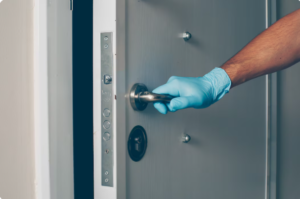
When it comes to security doors, the locking mechanism is crucial for ensuring safety. Look for locks with a minimum of five pins; this feature significantly boosts resistance against picking and tampering. A deadbolt with a throw of at least one inch adds an extra layer of security, making it harder for intruders to force their way in. Additionally, a multi-point locking system secures the door at several points along the frame, creating an even tougher barrier against breaches.
Ensure that the locks you choose have anti-drilling and anti-picking features, these are essential for modern security. If you’re tech-savvy, consider smart lock options that integrate with your smartphone, offering convenience and control right at your fingertips.
The durability of the lock also matters; look for corrosion-resistant materials to ensure longevity. Request information about the lock’s testing standards, as high-quality locks should meet rigorous safety tests. Check that the lock cylinder is well-protected and not protruding, which reduces vulnerability to attacks.
Ease of use is important too; the locks should operate smoothly without requiring excessive force. Lastly, for smart locks, it’s wise to choose options that provide a backup key in case of battery failure, ensuring you’re never locked out.
- Seek out locks with a minimum of five pins for increased resistance against picking and tampering.
- Check for deadbolts with a throw of at least one inch, which adds an extra layer of security.
- Inspect for a multi-point locking system that secures the door at various points along the frame, making it harder to breach.
- Look for locks that have anti-drilling and anti-picking features, which are essential for modern security.
- Consider smart lock options that offer smartphone integration for added convenience and control.
- Investigate the lock’s durability by checking for corrosion-resistant materials, ensuring longevity.
- Request information about the lock’s testing standards; high-quality locks should meet rigorous safety tests.
- Ensure the lock cylinder is protected and not protruding, reducing vulnerability to attacks.
- Evaluate the ease of use; locks should operate smoothly without excessive force.
- Look for locks that provide a backup key option in case of battery failure for smart locks.
3. Importance of Hinge Security in Doors
When evaluating a security door, hinge security is a crucial aspect that should not be overlooked. Look for at least three heavy-duty hinges, as this design provides better support and makes it more difficult for intruders to force entry. It’s also wise to check for non-removable hinge pins, which help prevent anyone from easily detaching the door from its frame. Quality hinges should be made from durable materials like stainless steel, which resist tampering and wear over time. Additionally, ensure that the hinges are properly aligned; misalignment can create gaps that compromise security. Concealed hinges are another great option, as they are less visible and harder for would-be intruders to access. Make sure the hinges are secured with longer screws that extend deep into the door frame, enhancing their strength. Each hinge should also have a weight rating appropriate for the size and material of the door. Don’t forget to inquire about the installation process; professional installation can maximize security, ensuring that everything fits perfectly. Lastly, verify the manufacturer’s specifications for hinge strength and durability to confirm they meet safety standards, and consider regular maintenance checks to prevent any potential wear and tear.
4. Checking for Reinforced Frames
When examining a security door, checking the frame is crucial. Look for frames made from solid materials like steel or reinforced wood, which can withstand significant force. Reinforced strike plates are essential, as they help prevent easy prying or forced entry. Longer screws that anchor securely into wall studs enhance stability, making it tougher for intruders to manipulate the door. Continuous hinges provide greater support along the entire height of the door, which is an important feature to look for. Additionally, inspect the frame for any exposed edges that could be easily pried open; a good frame will have no vulnerabilities. Security is further enhanced with integrated locking systems, so consider frames with those features. It’s also important to review how well the frame resists warping or damage over time, as this can affect its security integrity. Don’t hesitate to ask about the frame’s testing against forced entry to ensure it meets strict safety standards. Quality installation plays a vital role too, as a well-installed frame offers better security and durability. Lastly, look for a warranty that covers the frame for defects or damage, ensuring long-term reliability.
5. Analyzing Glass Components for Safety
When it comes to security doors, the glass components play a crucial role in enhancing safety. First off, check if the glass is tempered or laminated, as these types provide significantly better resistance to breakage. Tempered glass is treated to withstand impact, while laminated glass has a protective layer that holds shards together upon breakage, making it much harder for intruders to enter. Next, inspect the thickness of the glass; generally, thicker glass offers more security and durability. Look for glass that’s at least 1/4 inch thick for optimal protection.
Sealed edges around the glass are another important factor to consider. These seals prevent air and moisture infiltration, which not only affects energy efficiency but can also compromise the integrity of the door over time. Additionally, ensure that any glass components are securely installed with no gaps. Gaps can be exploited by intruders, making your door less secure.
For added privacy without sacrificing light, consider frosted or obscured glass options. These styles maintain a level of seclusion while still allowing natural light to brighten your space. Furthermore, inquire about shatter-resistant films that can be applied to glass surfaces for an extra layer of protection against break-ins.
Review the manufacturer’s specifications regarding the glass’s impact resistance to ensure it meets safety standards. Decorative elements or coatings on the glass can also enhance security features, so take a close look. Lastly, check for any sharp edges around the glass, which could pose a safety hazard. If your door features large glass panels, consider additional security measures like window bars or grilles for peace of mind.
6. Ensuring Aesthetic Consistency in Design
When choosing a modern security door, the aesthetic aspect is just as important as its security features. Start by examining the finish of the door; a smooth surface without any rough patches is a clear sign of quality craftsmanship. Consistent color and texture across the door indicate that attention to detail was prioritized during manufacturing. The design should not only enhance the beauty of your home but also reflect a secure appearance. Make sure there are uniform gaps between the door and frame, as this ensures proper fit and smooth operation. High-quality paint or finish that resists chipping and fading is crucial for maintaining the door’s visual appeal over time. Don’t overlook the hardware; it should complement the overall aesthetic while providing reliable functionality. Customization options can also be a plus, allowing you to select colors or designs that fit your home perfectly. Customer testimonials can provide valuable insights into how well the door holds up visually after years of use. Be cautious of doors that have excessive decorative elements, as these may compromise security functions. Lastly, ensure the door aligns with local architectural styles, blending in while still offering robust security features.
7. Identifying Certifications and Standards
When selecting a security door, checking for certifications and standards is crucial to ensure you’re investing in a quality product. Look for labels from recognized organizations like ANSI, UL, or ASTM, as these indicate that the door has undergone rigorous testing for quality and safety. It’s also important to verify compliance with local building codes; a certified door should meet these regulations, giving you peace of mind. Research any third-party testing reports available to validate the performance claims made by the manufacturer.
A reputable door should have documentation detailing safety and performance standards. For instance, if you’re in a storm-prone area, ensure the door has been tested for wind resistance and impact ratings. Don’t hesitate to ask about the testing process, as trustworthy brands will be transparent about their methods. Additionally, if the door is meant for commercial applications, it should have fire resistance certifications.
Energy efficiency ratings are another important aspect, as high-quality doors often provide better insulation, leading to lower energy costs. Lastly, review the warranty information; a solid warranty typically indicates the manufacturer’s confidence in the product’s quality. Consider independent reviews and ratings from consumers, as they can provide valuable insights into the door’s performance and reliability.
8. Importance of Quality Installation Techniques
When it comes to security doors, the installation process is just as crucial as the door itself. Opting for professional installation ensures that your door fits snugly within the frame, which is vital for optimal security. During installation, it’s essential to check that the door is level and squared. Any gaps can become weak points that intruders could exploit. Proper sealing around the doorframe not only enhances security but also reduces air leaks, improving energy efficiency.
Don’t hesitate to ask about the installation process; it should align with the manufacturer’s guidelines for the best results. Look for installers with solid reputations and positive customer feedback, as quality work is paramount. Ensure that the frame is securely anchored to wall studs, making it more resistant to forced entry. Reviewing the installation techniques used is important; they should include robust anchoring and sealing methods.
Consider additional security measures during installation, such as adding extra locks or reinforcements, to further enhance your home’s safety. A final inspection should be part of the process, confirming that all elements are functioning correctly. Keeping records of the installation, including any warranties or guarantees, can provide peace of mind and safeguard your investment.
9. Specific Features to Look for in Brands
When choosing a modern security door, it’s crucial to research the brand’s reputation. Look for companies that have positive reviews and a solid history of producing quality products. For instance, brands like Maxidor offer unique features such as hidden locking mechanisms that significantly enhance security. Multi-point locking systems are another feature to prioritize, as they secure the door at several points, making it harder for intruders to gain access.
Evaluating the materials used in construction is essential, too. High-quality brands typically utilize superior materials that provide strength and durability, ensuring your door can withstand attempts at forced entry. Ask about the brand’s warranty policy; a longer warranty often indicates a manufacturer’s confidence in their product’s quality. Additionally, check for customer service accessibility; reputable brands should be easily reachable for any inquiries or issues you may have.
Investigate whether the brand adheres to rigorous testing standards. They should have undergone independent testing for safety and performance, giving you peace of mind about your investment. Always review product specifications carefully to ensure they align with your security needs. Look out for innovative features such as smart technology integrations or advanced locking systems that further enhance security.
Finally, don’t hesitate to seek recommendations from trusted sources or professionals in the security field. Their insights can guide you toward reliable brands that stand out in the market.

James Scott was born in Missouri and studied at the University of Central Missouri. Currently working as Manager at ActoutLoud, James Scott helps readers learn the fields of Law, Marketing, Construction, Education, Health, etc hone their skills, and find their unique voice so they can stand out from the crowd.
Frequently Asked Questions
How can I identify a fake modern security door?
What material features should I look for to ensure a security door is genuine?
Why is the locking mechanism important in a security door?
How do hinges contribute to the security of a door?
What should I check in a door's frame to ensure it is reinforced?
How to Cite This Article
James Scott. "How to Spot a Fake Modern Security Door?." Act Out Loud, October 23, 2025. https://actoutloud.org/how-to-spot-a-fake-modern-security-door/