How to Make the Most of Your Hotel for Business Meetings?
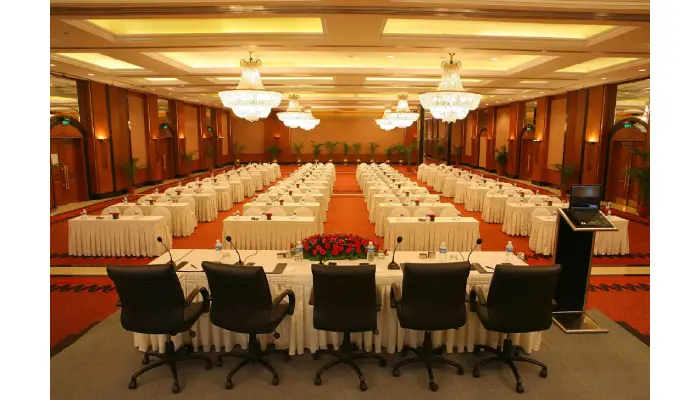
Last Updated:
To make the most of your hotel for business meetings, start by choosing a hotel that truly caters to business travelers. Look for amenities like meeting rooms and high-speed internet. Once there, check if the meeting room is equipped with essential tech like audio-visual gear and seating arrangements that suit your group size. Catering is important too; keeping attendees refreshed can boost productivity, so talk about menu options considering dietary needs. Preparing beforehand by visiting the space can help a lot, plus sharing an agenda keeps everyone aligned. Lastly, remember to explore networking opportunities in common areas and gather feedback after your meeting to enhance future sessions.
1. Choosing a Hotel for Business Meetings
When selecting a hotel for business meeting, prioritize those that cater specifically to business travelers. These hotels often feature essential amenities like meeting rooms, high-speed internet, and business centers, making them ideal for your needs. Location is also crucial; ensure the hotel is conveniently situated for all attendees, taking their travel routes into account.
Investigate the meeting room facilities thoroughly. Check for audio-visual equipment, whiteboards, and suitable seating arrangements that meet your requirements. Having breakout rooms available for smaller discussions can also enhance productivity.
Reliable technology is a must. Confirm that the hotel offers dependable Wi-Fi and tech support to facilitate presentations and virtual meetings. If your meeting requires it, inquire about teleconferencing capabilities as well.
Catering options can significantly impact your meeting’s success. Discuss what the hotel can offer in terms of refreshments to keep attendees energized. Be mindful of dietary restrictions when planning meals to ensure everyone is accommodated.
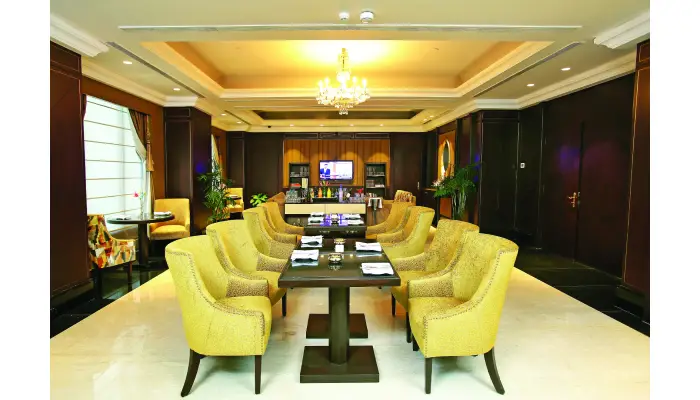
2. Evaluating Meeting Room Facilities
When evaluating meeting room facilities at a hotel, focus on what you need for a successful gathering. Start by confirming that the hotel has the right amenities. Check if they offer essential audio-visual equipment like projectors, screens, and sound systems. Also, ensure there’s enough seating for all attendees, arranged in a way that suits your meeting style, whether it’s a boardroom setup or a more relaxed theater style.
Breakout rooms can be crucial for larger meetings, allowing for smaller discussions or brainstorming sessions. Make sure to ask about their availability. If your meeting requires technology, verify that the hotel provides reliable Wi-Fi and tech support. This is vital for smooth presentations or virtual connections.
Consider the layout and design of the room too. Natural light can enhance productivity, so look for spaces with windows. Additionally, assess the comfort of the seating and the overall environment—temperature and lighting can significantly impact focus and engagement. Finally, don’t hesitate to communicate with the hotel staff about any specific requirements you have; they can often accommodate special requests to enhance your meeting experience.
3. Importance of Technology Access
Access to technology is essential when holding business meetings in a hotel. Reliable Wi-Fi should be a top priority; without it, presentations and virtual meetings can falter, leading to frustration for everyone involved. Ensure that the hotel has tech support available to assist with any issues that may arise. For example, if you plan to include remote participants, check if the hotel has teleconferencing capabilities. This access allows for seamless communication and collaboration, making your meeting more productive. Additionally, confirm that meeting rooms are equipped with necessary audio-visual equipment, such as projectors and screens, to enhance your presentations. In today’s fast-paced business environment, having the right technology at your fingertips can make a significant difference in how effectively your meeting runs.
4. Catering Options for Attendees
Catering can make a significant difference in the overall experience of your business meeting. When discussing options with the hotel, consider offering a variety of refreshments throughout the day, such as coffee, tea, and light snacks during breaks. This keeps energy levels high and attendees engaged.
It’s also vital to be mindful of dietary restrictions. Asking attendees beforehand about their preferences—such as vegetarian, vegan, gluten-free, or any allergies—can help in planning meals that everyone can enjoy. For instance, a well-planned lunch with a mix of salads, proteins, and desserts can cater to diverse needs and create a positive atmosphere.
If the meeting spans multiple days, think about incorporating themed meals or local cuisine to enhance the experience. Not only does this show consideration for your attendees, but it also adds a unique touch to the event.
5. Preparing for Your Meeting in Advance
Preparing in advance is key to a successful meeting. If possible, visit the hotel beforehand to familiarize yourself with the meeting space. This way, you can discuss your specific needs with the staff directly. Having a clear agenda is also important. Share it with attendees before the meeting to ensure everyone knows what to expect. This helps keep the discussion focused and productive. For example, if your meeting will involve a presentation, inform attendees ahead of time so they can come prepared with questions or insights. Taking these steps will not only enhance the meeting’s effectiveness but also create a more professional atmosphere.
6. Utilizing Hotel Business Services
When you’re at a hotel for a business meeting, take advantage of the various business services they offer. Many hotels provide essential services like printing, copying, and shipping, which can be invaluable if you need to distribute materials or send documents during your stay. For example, if you realize last minute that you need extra brochures or reports, you can quickly get them printed at the hotel’s business center.
Additionally, some hotels have secretarial services available. This can be helpful if you need assistance with scheduling or managing your meeting logistics. If you’re running a tight schedule, having someone to help coordinate can make a big difference.
7. Networking in Common Areas
Networking in the common areas of your hotel can be a game-changer for your business meetings. These spaces—like lobbies, lounges, or even the hotel bar—offer a relaxed atmosphere that encourages informal conversations. You can easily strike up a chat with fellow guests who might share similar interests or professional connections. For example, if you’re attending a conference, you might meet someone from your industry, leading to potential collaborations or partnerships.
Encourage your meeting attendees to arrive early or stay later to take advantage of these opportunities. Organizing a casual meet-and-greet in the lounge can also foster connections among participants. A simple coffee break in a common area can lead to valuable discussions that might not happen in a formal meeting setting. This informal interaction can strengthen relationships and create a more collaborative environment, adding great value to your overall meeting experience.
8. Ensuring Comfort and Convenience
Creating a comfortable meeting environment is vital for productivity. Start by adjusting the room temperature to a pleasant level, ensuring that everyone can focus without distractions. Comfortable seating is essential, so choose chairs that provide support for longer discussions. Good lighting can also make a big difference; natural light is ideal, but if that’s not possible, make sure the room is well-lit without being harsh.
To enhance convenience, consider the location of accommodations relative to the meeting space. Ideally, attendees should be able to walk to the meeting room without the hassle of long commutes. This not only saves time but also helps in maintaining the energy levels of participants.
Additionally, ensure that all necessary materials and technology are easily accessible in the meeting space. Having everything at hand, from projectors to notepads, minimizes disruptions and keeps the focus on the agenda.
9. Gathering Feedback After Meetings
After your meetings, it’s essential to gather feedback from attendees about their experience. This can be done through a simple survey or informal discussions. Ask specific questions about the meeting room facilities, technology access, and overall comfort. For example, you might inquire if the Wi-Fi was reliable or if the seating arrangements were adequate. This feedback not only helps in improving future meetings but also strengthens your relationship with the hotel. Make it a practice to follow up with attendees to address any concerns they may have had. This shows that you value their input and are committed to enhancing the meeting experience.
10. Exploring Hotel Amenities for Team Activities
Hotels often offer a range of amenities that can enhance team dynamics and foster collaboration. For example, consider using the hotel’s fitness center for a group workout session. This not only promotes health but also helps build camaraderie among team members. Additionally, many hotels have recreational areas where teams can engage in fun activities, like billiards or board games, serving as a great icebreaker.
You can also explore options for team-building exercises through the hotel’s concierge services. They might suggest local attractions or unique experiences, such as escape rooms or cooking classes, that can be tailored to your group’s interests. After a long day of meetings, unwinding in the hotel’s spa can boost morale and provide a relaxed environment for informal discussions, allowing ideas to flow more freely.

Emery Richardson, a skilled writer residing in the vibrant city of Austin, Texas. With a passion for business and a deep understanding of technology, I weave words to illuminate complex topics. From startups to the latest tech trends, my expertise shines through. Join me on a journey of insightful exploration and engaging narratives.
How to Cite This Article
Emery Richardson. "How to Make the Most of Your Hotel for Business Meetings?." Act Out Loud, January 21, 2025. https://actoutloud.org/how-to-make-the-most-of-your-hotel-for-business-meetings/