How To Maintain Your Drum Handling Equipment?
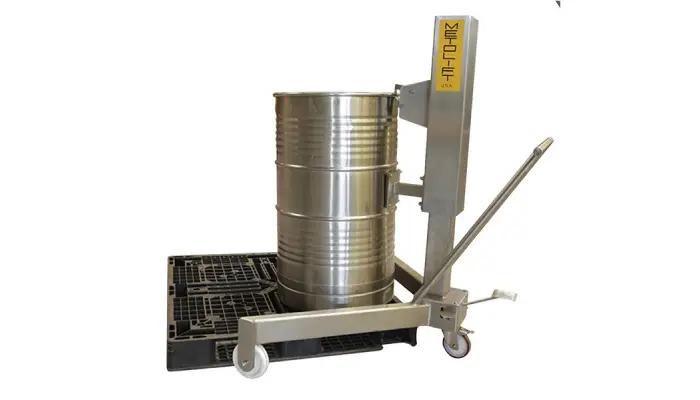
Drum handling equipment plays a crucial role in industrial settings, ensuring the safe transport, storage, and pouring of heavy drums. Proper maintenance is essential to extend the lifespan of the equipment, prevent workplace accidents, and enhance operational efficiency. This guide covers the key aspects of maintaining drum handling equipment to keep it in optimal condition.
Importance of Maintaining Drum Handling Equipment
Regular maintenance of drum handling equipment provides numerous benefits, including:
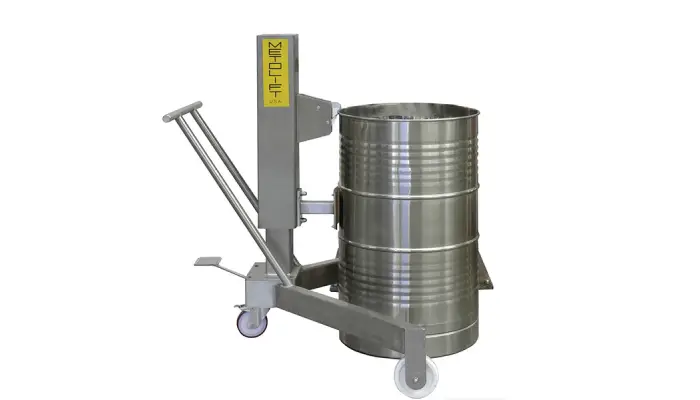
- Increased Safety: Properly maintained equipment reduces the risk of workplace injuries and accidents.
- Enhanced Durability: Routine inspections and care prevent premature wear and tear, extending the equipment’s lifespan.
- Operational Efficiency: Well-maintained equipment functions smoothly, reducing downtime and improving productivity.
- Cost Savings: Preventive maintenance minimizes the need for costly repairs and replacements.
Routine Inspection and Maintenance Checklist
To keep your drum handling equipment in top shape, follow this structured maintenance routine:
Visual Inspection
Perform a daily or weekly visual inspection to identify any signs of damage or wear:
- Check for cracks, dents, or bent components.
- Look for loose or missing bolts and fasteners.
- Inspect hydraulic systems for leaks.
- Ensure wheels and casters are in good condition.
Lubrication
Proper lubrication ensures smooth operation and prevents excessive wear:
- Apply grease to moving parts such as hinges, joints, and rollers.
- Use manufacturer-recommended lubricants.
- Regularly check lubrication levels in hydraulic and pneumatic systems.
Hydraulic System Maintenance
Hydraulic drum lifters and tilters require special attention:
- Inspect hydraulic hoses and fittings for leaks.
- Check the hydraulic fluid levels and refill if necessary.
- Replace hydraulic fluid at recommended intervals to prevent contamination.
Load Testing
Perform periodic load testing to ensure the equipment can handle its rated capacity:
- Test the lifting and tilting mechanisms with appropriately weighted drums.
- Ensure stability while moving loaded drums.
- If any instability is detected, recalibrate or repair the equipment immediately.
Cleaning and Debris Removal
Dust, dirt, and spilled liquids can affect performance:
- Wipe down equipment regularly to prevent buildup.
- Keep wheels and moving parts free from debris.
- Clean hydraulic components to prevent contamination.
Checking Wheels and Casters
Drum trucks and dollies depend on smooth-rolling wheels:
- Inspect wheels for wear, cracks, or flat spots.
- Ensure casters swivel and rotate without resistance.
- Replace damaged wheels to maintain mobility.
Common Issues and Troubleshooting
Even with regular maintenance, drum handling equipment may encounter issues. Here are common problems and their solutions:
Difficulty in Lifting Drums
- Possible Cause: Low hydraulic fluid or a faulty pump.
- Solution: Refill hydraulic fluid and check for leaks or worn-out seals.
Unstable or Wobbly Drum Movement
- Possible Cause: Loose bolts, misaligned wheels, or overloading.
- Solution: Tighten bolts, realign wheels, and adhere to the weight limit.
Jammed or Stuck Components
- Possible Cause: Lack of lubrication or dirt accumulation.
- Solution: Clean moving parts and apply appropriate lubricants.
Hydraulic Leaks
- Possible Cause: Damaged hoses or seals.
- Solution: Replace faulty hoses and seals immediately.
Electrical Malfunctions (For Powered Models)
- Possible Cause: Dead battery, faulty wiring, or motor issues.
- Solution: Charge or replace the battery, inspect wiring, and test the motor.
Best Practices for Long-Term Equipment Care
- Follow Manufacturer Guidelines: Always refer to the user manual for specific maintenance instructions.
- Train Employees: Ensure operators understand proper usage and maintenance procedures.
- Schedule Preventive Maintenance: Set up a regular maintenance schedule to prevent unexpected failures.
- Store Equipment Properly: Keep drum handling equipment in a dry, clean environment when not in use.
Conclusion
Maintaining drum handling equipment is essential for safety, efficiency, and cost-effectiveness. By following a consistent inspection and maintenance routine, businesses can prevent breakdowns, extend equipment lifespan, and ensure smooth operations. Investing time in regular upkeep will pay off with improved performance and reduced risks in the workplace.
By implementing these maintenance strategies, your drum handling equipment will remain reliable and efficient for years to come.

Emery Richardson, a skilled writer residing in the vibrant city of Austin, Texas. With a passion for business and a deep understanding of technology, I weave words to illuminate complex topics. From startups to the latest tech trends, my expertise shines through. Join me on a journey of insightful exploration and engaging narratives.
How to Cite This Article
Emery Richardson. "How To Maintain Your Drum Handling Equipment?." Act Out Loud, April 4, 2025. https://actoutloud.org/how-to-maintain-your-drum-handling-equipment/