How to Maintain Your Canal Dredge?
Regular maintenance of your canal dredge is essential. Daily inspections, weekly tasks, and timely oil changes help prevent costly repairs and extend the dredge’s life.
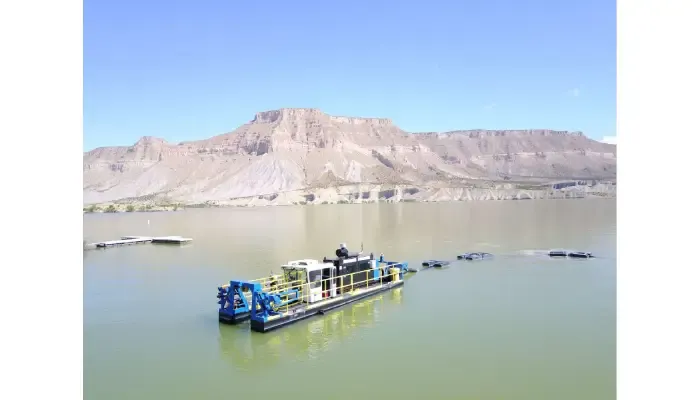
Maintaining your canal dredge is crucial for smooth operations and to prevent costly repairs down the line. Regular check-ups keep things running efficiently and extend the dredge’s life. Each day, inspect for any visible damage like cracks or missing parts, while checking oil and coolant levels. Weekly tasks involve draining the water separator and inspecting hydraulic hoses to catch potential issues early. After specific usage intervals, like changing engine oil at 100 hours or checking hydraulic oil quality after 1,000 hours, it helps to document everything for future reference. Environmental conditions may require adjustments in your maintenance schedule, so staying attentive can make a big difference.
1. Importance of Regular Maintenance
Regular maintenance of your canal dredge is crucial for several reasons. First, it prevents machinery downtime, which helps keep your projects on schedule. When equipment fails, it can lead to delays that impact deadlines and budgets. Additionally, regular checks reduce the risk of environmental hazards. A malfunctioning dredge can cause spills or other issues that harm the surrounding ecosystem, making proactive maintenance essential.
Compliance with safety regulations is another key factor. Well-maintained equipment is safer to operate, minimizing the likelihood of accidents. This not only protects your crew but also enhances the reliability of your operations, building trust with clients who expect consistent results.
Moreover, regular maintenance supports fuel efficiency, which can significantly reduce operational costs. When machinery runs smoothly, it consumes less fuel, allowing for more economical operations. This also promotes a culture of safety and responsibility among operators, as they become more aware of the equipment’s condition.
Finally, maintaining your dredge improves its resale value. Equipment that is regularly serviced and in good condition is more attractive to potential buyers, ensuring a better return on investment when it comes time to upgrade or replace machinery.

2. Daily Maintenance Tasks
Daily maintenance tasks are crucial for keeping your canal dredge in top shape. Start by checking the battery condition, inspecting terminals for corrosion and ensuring electrolyte levels are adequate. This simple step can prevent unexpected failures during operation. Next, verify that all safety equipment is present and functioning, including life vests and first aid kits, to ensure the safety of the crew.
Examine the fuel system for any signs of leaks or damage in the fuel lines, and ensure that fuel levels are appropriate for the day’s work. Don’t forget to test emergency systems, such as alarms and shut-off mechanisms, to make sure they are operational in case of an emergency.
A clean dredge is a happy dredge, so remove dirt and debris from surfaces to prevent corrosion and maintain visibility. Ensure that all operational lights are working properly for nighttime or low-visibility work, as this is key for safe operations. Check communication devices like radios for clear signals, as good communication is essential on any job site.
Review operator logs daily for any unusual occurrences or reported issues, allowing you to address potential problems early. Inspect ropes and chains for frays or weaknesses, ensuring that lifting equipment is safe to use. Finally, maintain general cleanliness in the work area to minimize the risk of accidents. Performing these daily tasks can greatly enhance the reliability and safety of your dredge.
3. Weekly Maintenance Tasks
Weekly maintenance tasks are crucial to keeping your canal dredge in good shape. Start with a hydraulic fluid check: assess the levels and condition of the fluid, topping off if necessary to ensure smooth operation. Next, inspect the electrical systems, looking for any worn or corroded wiring that could lead to failures. A thorough suction hose inspection is also vital; check for cracks or leaks that can reduce efficiency. Service filters by cleaning or replacing air filters to maintain optimal engine performance. While the dredge is in operation, monitor for unusual vibrations, as these can indicate mechanical issues that need addressing. Inspect structural components like welds and connections for signs of fatigue or failure, ensuring the integrity of the dredge. Test all controls to confirm they respond correctly and smoothly. Additionally, evaluate the load capacity to ensure the dredge is used within safe parameters. Don’t forget to check the water separator, confirming it functions properly and drains any collected water. Finally, calibrate the equipment to ensure the dredge operates at peak efficiency.
4. Hourly Maintenance Tasks
Monitoring engine temperature is vital during operation, as overheating can lead to severe damage. Operators should stay alert for any signs of overheating and make necessary adjustments. Regularly inspecting the dredge pump is also crucial; look for leaks or any unusual noises that might indicate underlying issues. Steering and navigation systems must be checked for responsiveness and obstructions to ensure safe maneuvering. It’s important to examine wear plates for significant wear and replace them as needed to maintain efficiency. Practicing emergency shutdown procedures should be a routine task, as it prepares the crew for any unforeseen circumstances. Additionally, cutterhead performance should be monitored to ensure effective operation, while remaining attentive to any unusual noises that could signal mechanical problems. Keeping an eye on fuel consumption is equally important, as any sudden changes can indicate potential issues. If the dredge is equipped with outboard motors, they should be inspected for wear or damage. Finally, it is essential to assess all anchoring equipment for functionality, ensuring everything is ready for use when needed.
5. Consider Environmental Factors
Monitoring environmental factors is crucial for effective dredging operations. Start by assessing water conditions, such as quality and levels, as these can significantly impact dredging efficiency. For instance, muddy or contaminated water may require adjustments in your approach. Be adaptable to weather changes, as storms or unexpected rain can disrupt maintenance schedules and operations. It’s also important to evaluate the unique characteristics of each dredging site, such as soil composition, which can vary widely and necessitate different maintenance strategies. For example, sandy soil might require less frequent maintenance compared to clay, which can be more challenging to manage.
Additionally, pay attention to the impact of dredging on local wildlife. Adjust your operations to minimize disruptions to habitats and avoid harming aquatic life. Implementing erosion control measures is vital, especially in areas prone to soil erosion during dredging activities. Seasonal changes can further complicate maintenance routines, so stay vigilant and adjust your schedule accordingly. Finally, keep abreast of local environmental regulations that may affect your dredging practices. Engaging with environmental specialists can provide valuable insights into minimizing ecological impacts and ensuring compliance.
6. Equipment Specifics
When it comes to maintaining your canal dredge, understanding the specifics of the equipment is crucial. Start by ensuring that you regularly update any onboard software. This helps keep the dredge operating at peak performance, as software updates often include improvements and fixes. Always refer to the manufacturer’s guidelines for maintenance, as these instructions are tailored to your specific model. Using compatible parts and fluids is vital; this prevents any compatibility issues that could lead to costly repairs.
Operator training cannot be overlooked. Well-trained operators are essential for the safe and efficient operation of the equipment. They should be familiar with all the features and controls of the dredge. Keep an eye on equipment upgrades; the dredging industry is constantly evolving, and new technologies can enhance efficiency. For instance, if your dredge allows for attachments, ensure they are compatible and properly fitted to maximize performance.
Monitoring the performance of your dredge is also important. Conduct regular assessments to ensure it meets your expectations. Fuel types can impact engine performance, so always use the recommended types for optimal longevity. Pay special attention to hydraulic systems; regularly check for leaks and ensure all components are functioning correctly. Lastly, document any modifications made to the equipment. This record can be invaluable for troubleshooting and future maintenance.
7. Documentation and Tracking
Keeping thorough documentation and tracking for your canal dredge is essential. Start by logging all maintenance activities. This not only provides accountability but also serves as a reference for future tasks. Create an inspection schedule to ensure that your equipment is routinely checked, preventing any issues from being overlooked. Tracking repairs and their associated costs is crucial, as it helps identify trends or recurring problems that need to be addressed. Reviewing historical data from past maintenance logs can provide further insights into potential issues, allowing you to be proactive rather than reactive.
Utilizing digital tools can simplify this process. Consider software designed for maintenance tracking, which can help streamline documentation and make it easier to access important information. Establish clear maintenance goals to guide your efforts, ensuring your team knows what to focus on. Sharing maintenance logs with all team members promotes better communication and accountability within the team.
Implementing checklists for daily, weekly, and monthly maintenance tasks will help ensure that nothing is missed. Additionally, monitor warranty compliance by keeping records that satisfy manufacturer specifications. Conduct regular audits of your maintenance records to verify their accuracy and completeness, which is vital for efficient operation. By maintaining diligent documentation and tracking, you can significantly enhance the reliability and performance of your canal dredge.
8. Consultation with Experts
Consultation with experts is a crucial step in maintaining your canal dredge effectively. Schedule regular consultations to review equipment performance and gather insights on operational efficiency. Engaging local technicians who are familiar with the specific dredging equipment can provide valuable hands-on maintenance support. Additionally, attending workshops or training sessions helps you stay updated on best practices and new technology in the dredging industry.
Connecting with other dredge operators can be beneficial as well. Seek peer recommendations for effective maintenance strategies and practical tips. Online forums also serve as excellent platforms to share experiences and gain insights from fellow professionals in the field.
Moreover, consider requesting on-site assessments from experts, as they can offer tailored recommendations based on your dredging operation’s unique needs. Reviewing technical publications keeps you informed about industry trends and research. Networking at conferences not only helps you learn from experts, but also allows you to build relationships with peers who share similar challenges.
Investing in formal training for your operators from recognized institutions can enhance their skills and knowledge, leading to better maintenance practices. Finally, regularly following industry trends through expert consultations ensures that you stay ahead in this evolving field.
Frequently Asked Questions
What are the main parts of a canal dredge that need regular checks?
The main parts to check on a canal dredge include the dredging pump, cutter head, and engine. It’s also important to examine the hoses and hydraulic systems for any wear or damage.
How can I tell if the dredging equipment is operating efficiently?
You can tell if the equipment is running efficiently by monitoring the flow rate of the material being dredged, checking for unusual vibrations or sounds, and ensuring that the fuel consumption is within expected ranges.
What maintenance tasks should I perform daily on my canal dredge?
Daily maintenance tasks include checking the oil levels, inspecting hoses and connections, cleaning any debris from the pump, and ensuring that safety equipment is in place and functional.
How often should I schedule a thorough inspection of my dredge?
A thorough inspection of your dredge should typically be scheduled every 500 operating hours or at least once a year, to check for any potential issues that need to be addressed.
What are some common signs that my canal dredge may need repairs?
Common signs that repairs may be needed include leaks, unusual noises, decreased performance, or warning lights on the control panel. If you notice any of these signs, it’s best to investigate further.

James Scott was born in Missouri and studied at the University of Central Missouri. Currently working as Manager at ActoutLoud, James Scott helps readers learn the fields of Law, Marketing, Construction, Education, Health, etc hone their skills, and find their unique voice so they can stand out from the crowd.
How to Cite This Article
James Scott. "How to Maintain Your Canal Dredge?." Act Out Loud, August 1, 2025. https://actoutloud.org/how-to-maintain-your-canal-dredge/