How To Identify Quality Sungrown Hemp Strains?

Identifying quality sungrown hemp strains can seem tricky, but with a few tips, you’ll get the hang of it. First, understanding that sungrown cannabis thrives in natural sunlight is key, this enhances its unique flavors and aromas. When inspecting buds, look for dark green flowers with bright accents like purple and orange; these colors point to healthy growth. The texture should be slightly sticky and not overly dry or spongy. A rich aroma featuring earthy or fruity notes suggests a well-developed profile too. Finally, consider research on reputable growers who follow sustainable practices for better quality products that meet your preferences.
1. Understanding Sungrown Cannabis
Sungrown cannabis is cultivated mainly under natural sunlight, allowing it to thrive outdoors in diverse weather conditions. This environment contributes to its distinct characteristics, often resulting in a broader range of cannabinoids and terpenes compared to other growing methods. The exposure to natural elements strengthens the plants, making them more resilient to pests and diseases. Many sungrown growers adopt organic farming practices, enhancing soil health and promoting the growth of healthier plants. Seasonal changes in sunlight and temperature can also enrich the flavor profiles of sungrown cannabis, reflecting the local terroir and influencing its taste and effects. Additionally, farmers frequently engage in companion planting, which can improve pest control and bolster soil health, further enhancing the quality of the cannabis produced. Hand-harvesting is common among these growers, ensuring better quality control and care compared to machine harvesting. Overall, the cultivation process can vary widely based on regional climate, but the artisanal approach of sungrown cannabis often emphasizes quality over quantity.
- Sungrown cannabis thrives outdoors, benefiting from diverse weather patterns that contribute to its unique characteristics.
- It often contains a broader range of cannabinoids and terpenes due to the natural growing environment.
- The use of organic farming practices is common among sungrown growers, promoting healthier plants and soil.
- Sungrown cannabis can be more resilient to pests and diseases because of its natural habitat.
- Seasonal changes in sunlight and temperature can enhance the flavor profiles of sungrown cannabis.
- Farmers may use companion planting to improve pest control and soil health, further enhancing the quality of the cannabis.
- Sungrown cannabis often reflects the local terroir, which can influence its taste and effects.
- Growers often hand-harvest their crops, which can lead to better quality control compared to machine harvesting.
2. Key Visual Characteristics to Observe
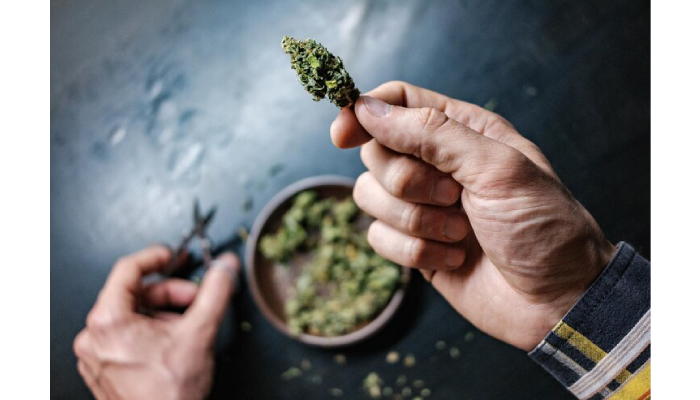
When evaluating sungrown hemp strains, the visual characteristics can reveal a lot about their quality. Start by examining the flower shape; sungrown buds often have a more irregular appearance compared to the uniformity of indoor-grown buds. This irregularity can indicate that the plant has thrived in a natural environment. Pay attention to the pistils, as a variety of colors can signal maturity and potency, with vibrant hues suggesting a healthy, robust plant.
A healthy sungrown strain typically showcases a more pronounced leaf-to-bud ratio, reflecting its natural growth patterns. Look out for any signs of leaf curl or discoloration, which might indicate poor health or pest issues. High-quality sungrown cannabis is usually seedless, so inspect for seeds as their presence can suggest less careful cultivation practices.
Color gradients in the buds can also provide insights into different cannabinoid profiles, enhancing the user’s experience. While larger buds can be a sign of a healthy plant, it’s essential that they maintain density; oversized but airy buds may not deliver the same potency. Additionally, check for signs of oxidation, such as browning, which can negatively impact quality.
The overall trim quality is another crucial aspect; well-trimmed buds indicate that the grower paid attention to detail during processing, which often correlates with a better end product. Lastly, assessing the overall symmetry and structure of the buds can reflect the grower’s skill and care, providing further assurance of the strain’s quality.
3. Evaluating Aroma and Flavor Profiles
A quality sungrown hemp strain often presents a complex aroma profile that reveals multiple layers, hinting at careful cultivation. When evaluating, take note of fruity notes, which usually indicate a strong presence of terpenes. On the other hand, earthy notes often suggest a well-balanced strain. Be cautious of any chemical or artificial scents, as these can indicate low-quality products. The flavor should linger on your palate, providing a satisfying aftertaste that enhances your overall experience. Different strains can evoke specific memories or feelings, a sign of a unique terpene profile. For instance, if you can identify the scent of limonene, you’re likely smelling citrus notes, while myrcene might bring to mind more musky and herbal aromas. A well-balanced flavor should not be harsh; a smoothness often reflects proper curing techniques. Look for a combination of sweetness and earthiness in the flavor profile, traits commonly associated with higher quality. Additionally, aroma can change with temperature, so consider how the strain smells when heated, which can enhance your evaluation. Overall, the aroma should be inviting, not overwhelming, inviting you to explore further.
4. Assessing Texture and Moisture Levels
When evaluating quality sungrown hemp strains, texture and moisture are key indicators. Start by gently squeezing the buds; they should feel slightly firm yet yield to pressure without crumbling. A sticky feel often points to high resin content, which is a positive sign. If the buds are too dry and crumble easily, this may indicate poor storage and a loss of potency. On the other hand, overly moist buds can feel spongy and may be at risk for mold, which is not desirable.
The ideal moisture content allows for a slow burn without excessive ash, signaling proper curing. Look for a slight tackiness on the buds, as this often indicates a healthy level of resin and terpene retention. When inspecting the stem of the bud, it should snap cleanly but not shatter, reflecting appropriate moisture levels.
Breaking apart the buds should reveal a fresh, vibrant interior, which is a good indicator of quality. Remember, overly dry cannabis can lose its flavor and effects, making moisture assessment crucial. Also, while sungrown cannabis may be less dense than indoor varieties, it should still have a solid feel, giving you confidence in its quality.
5. Importance of Research and Brand Reputation
Researching the right sungrown hemp strains is crucial for ensuring quality. Start by looking for third-party lab tests that confirm the cannabinoid and terpene content. This verification is essential as it indicates that the product meets quality standards. Customer reviews and testimonials can also provide insights into a brand’s reliability and product quality. Positive feedback from other consumers can guide your choices. Investigate the grower’s practices; those that prioritize organic and sustainable methods usually produce superior quality hemp.
Transparency is another factor to consider. Brands that openly share their sourcing and cultivation methods are often more trustworthy. Additionally, examining the grower’s history can be beneficial; established brands typically maintain more consistent quality than newer ones. Certifications or awards acknowledging a grower’s commitment to quality and sustainability can be indicators of excellence.
Engaging with communities or forums where consumers exchange experiences can also be informative. However, remain cautious of brands making exaggerated claims without evidence, as credibility is key. Lastly, keeping up with industry news can help you stay informed about reputable brands and emerging trends in the sungrown cannabis space. A brand with a solid reputation is likely to invest in quality control measures throughout their production process.
6. Environmental Factors in Growth
The environmental factors influencing the growth of sungrown hemp are crucial for determining the quality of the final product. Natural sunlight plays a significant role, as it boosts the plant’s ability to produce cannabinoids and terpenes, enhancing both flavor and potency. Additionally, soil health is vital; nutrient-rich, organic soils contribute to robust plant growth, allowing the hemp to thrive. Weather conditions, including temperature and humidity, can also significantly impact bud development and overall quality. For instance, consistent rainfall patterns are essential for optimal hydration, while insufficient water can lead to stressed plants.
Wind exposure can serve as a natural strengthener for hemp plants, fostering sturdier growth and better resilience against pests, which is a bonus for organic growers. Many cultivators implement mulch or cover crops to enhance soil quality and prevent erosion, benefiting the hemp’s growth. Moreover, using natural pest control methods, such as introducing ladybugs or predatory insects, can minimize the need for chemical interventions, further supporting a healthier crop.
Geographic location can impart unique qualities to the strain, reflecting local soil characteristics and environmental conditions in the final product. Seasonal changes also affect cannabinoid profiles, which can lead to variations in flavor and effects throughout the year, making each harvest distinct. Ultimately, sungrown cannabis is a true reflection of its environment, showcasing the unique characteristics shaped by the conditions in which it is cultivated.
7. Harvesting and Curing Techniques
Harvesting sungrown hemp at the right time is vital for maintaining its potency and flavor. If the plants are harvested too early, they may lack the desired effects; too late, and the cannabinoids could degrade. After harvesting, proper drying techniques are essential to ensure even moisture loss. This helps prevent mold while preserving the quality of the buds. Avoiding direct sunlight during the drying process is crucial, as exposure can degrade cannabinoids and terpenes, which are key to the plant’s flavor and effects. Once dried, curing the buds in glass jars allows gases to escape while retaining moisture, enhancing the overall flavor profile. The duration of curing can vary; some growers may cure their hemp for weeks, developing richer flavors and aromas in the process. Regularly burping the jars during curing helps regulate moisture levels, ensuring the buds do not become overly dry or moldy. High-quality growers often hand-trim their buds to minimize damage, preserving their quality and appearance. The overall handling of the hemp during and after harvest significantly impacts the final product, making meticulous practices essential for high-quality sungrown strains.
8. Sustainability in Sungrown Hemp
Sungrown hemp stands out for its sustainability, often needing less water and energy than its indoor counterparts. This reduction in resource use makes it an eco-friendlier choice for consumers. Many growers adopt organic practices like composting and crop rotation, which not only enhance the sustainability of their operations but also improve soil health. Supporting local farmers is another way to contribute to sustainability, as it cuts down on the carbon footprint associated with transportation and distribution.
Additionally, many hemp producers are moving towards sustainable packaging options, such as biodegradable materials, which reflect a commitment to eco-conscious practices. Some growers utilize permaculture principles that promote biodiversity and ecosystem health, making their cultivation methods even more sustainable. For instance, rainwater harvesting can significantly reduce water usage, allowing for more efficient growth.
In terms of pest management, pesticide-free farming methods are gaining traction, as they contribute to healthier ecosystems and protect vital pollinators. Sungrown hemp also plays a role in regenerative agriculture, which focuses on restoring soil health and promoting carbon sequestration. Collaborations with environmental organizations can further bolster a grower’s sustainability efforts, creating a positive impact on the community. Finally, educating consumers about the benefits of sustainability in hemp production can drive demand for eco-friendly products, encouraging more growers to adopt these practices.
9. Final Considerations for Quality Selection
When selecting quality sungrown hemp strains, it’s important to reflect on your personal preferences regarding flavor and aroma. These elements can significantly influence your experience, so don’t hesitate to explore various strains to find those that resonate with you. Engaging with knowledgeable staff at dispensaries can provide valuable insights, helping you navigate their offerings. Keep in mind that seasonal variations can affect the same strain’s characteristics, so be open to trying different harvests. Additionally, take note of the cultivation methods used, as they can impact the overall quality and effects of the hemp. Limited releases or special batches might also offer unique experiences worth exploring. Understanding a strain’s lineage can provide context about its characteristics, so consider researching the parent strains. Always be mindful of local laws and regulations regarding cannabis, ensuring that your selections align with compliance. Keeping a journal to track your experiences with different strains can help you identify what works best for you over time. Finally, staying informed about industry developments will empower you to make educated choices in this rapidly evolving market.
Frequently Asked Questions
1. What makes a hemp strain high quality?
A high quality hemp strain usually has a good balance of cannabinoids, terpenes, and low THC levels, which means it can provide the benefits without the psychoactive effects. Look for strains with robust growth and healthy leaves.
2. How can I tell if hemp is grown outdoors?
To know if hemp is sungrown, observe its overall appearance and health, as well as its exposure to natural sunlight. Outdoor-grown hemp often shows more vigorous growth patterns and a varied color in the leaves due to nature’s elements.
3. What are cannabinoids and why do they matter in hemp strains?
Cannabinoids are compounds found in hemp that interact with your body’s endocannabinoid system. They matter because they can affect how you feel and experience the benefits of the plant, making a strain’s cannabinoid profile crucial for quality.
4. Why are terpenes important in hemp selection?
Terpenes are the aromatic compounds in hemp that contribute to its scent and flavor, but they also play a role in the plant’s effects. Different terpenes can enhance or modify the benefits you might feel, so choosing strains with specific terpenes is key.
5. Can I identify quality hemp strains by their appearance?
Yes, the appearance of the buds can give clues about quality. Look for bright green color, well-formed buds, and a thick coating of trichomes, as these characteristics usually indicate a healthy and potent strain.
Resource URL:
https://goldysflower.com/collections/flower
https://en.wikipedia.org/wiki/Hemp

James Scott was born in Missouri and studied at the University of Central Missouri. Currently working as Manager at ActoutLoud, James Scott helps readers learn the fields of Law, Marketing, Construction, Education, Health, etc hone their skills, and find their unique voice so they can stand out from the crowd.
How to Cite This Article
James Scott. "How To Identify Quality Sungrown Hemp Strains?." Act Out Loud, July 22, 2025. https://actoutloud.org/how-to-identify-quality-sungrown-hemp-strains/