How To Design A Safe Room Without Compromising Style?

In a world where safety concerns are becoming increasingly prevalent, the idea of having a residential safe room is more relevant than ever. Whether you’re protecting your family from natural disasters, home invasions, or other unforeseen events, a well-designed safe room can provide peace of mind. But what if we told you that it’s possible to create a secure space without sacrificing style? Imagine blending functionality with aesthetics to craft an area that not only safeguards but also enhances your home’s beauty. Let’s explore how to achieve this perfect balance for your personal fortress.
The Importance Of A Safe Room
A residential safe room acts as a sanctuary during emergencies. It’s a dedicated space designed to keep you and your loved ones secure when danger strikes.
Natural disasters, such as tornadoes or floods, can happen at any moment. A well-constructed safe room provides refuge against these unpredictable events.
On the other hand, it also serves as protection against intruders. Home invasions are unfortunate realities in today’s world. Knowing there is a secure area to retreat to can alleviate anxiety and provide comfort.
Additionally, having a safe room increases your home’s overall value. Prospective buyers appreciate the added security features in their future investment.
Investing in a safe room means prioritizing safety while ensuring peace of mind for everyone who enters your home.
Safety Features To Consider
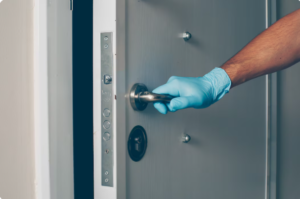
When designing a residential safe room, several safety features should be top of mind. Begin with reinforced walls and doors. These elements can withstand extreme pressure from outside forces.
Next, consider an emergency communication system. A dedicated landline or two-way radio ensures you stay connected during critical moments.
Ventilation is another crucial aspect. Proper airflow keeps the space comfortable while also preventing harmful gas buildup.
Don’t forget about your escape routes. Ensure there are secondary exits to provide options if the primary entrance becomes inaccessible.
Install soundproofing materials to help keep noise at bay. This adds an extra layer of security by making it difficult for intruders to locate your safe haven quickly.
Incorporating Style Into A Safe Room Design
Creating a safe room doesn’t mean sacrificing aesthetics. Blend functionality with style to craft a space that feels welcoming yet secure.
Start by choosing a cohesive color palette. Soft, neutral tones can promote calmness while still looking sophisticated.
Incorporate stylish furniture that doubles as storage for safety gear or supplies. A chic ottoman can hide emergency items without drawing attention to them.
Art and decor play vital roles too. Consider adding framed photos or art pieces that resonate with you, making the room feel personal and inviting.
Lighting is another essential element. Opt for adjustable lighting, which allows you to create an atmosphere suited for various situations—bright enough for emergencies but soft enough for comfort during extended stays.
Remember, blending style into your safe room design ensures it remains a refuge where you’ll feel at ease when needed most.
Choosing The Right Materials For Your Safe Room
Selecting the right materials for your residential safe room is crucial. Strong, durable options provide peace of mind and enhance safety.
Start with reinforced concrete or steel for walls. These materials resist impacts and can withstand extreme weather conditions. They create a formidable barrier against intrusions.
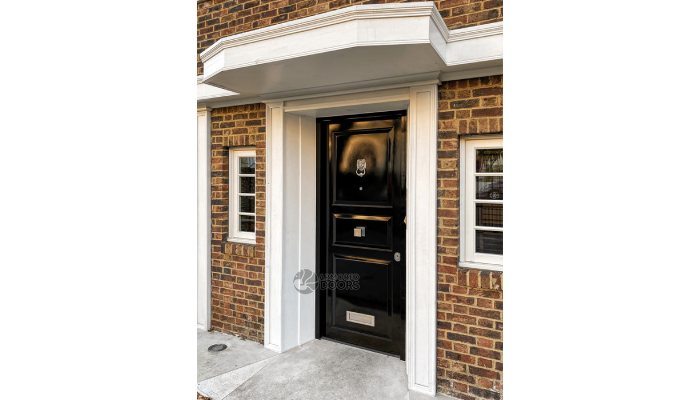
Next, consider doors made from solid metal or heavy-duty wood. A secure locking mechanism adds an extra layer of protection.
Don’t overlook insulation as well. Fire-resistant drywall can help contain heat during emergencies while maintaining comfort in everyday use.
For flooring, choose something rugged yet easy to clean. Vinyl tiles or polished concrete are excellent options that offer durability without sacrificing style.
Think about ventilation systems equipped with filters to ensure fresh air circulation when needed. This ensures safety doesn’t come at the cost of livability inside your safe room.
Creative Ways To Hide Your Safe Room In Plain Sight
Hiding a safe room can be both practical and stylish. One clever idea is to integrate it into existing spaces. Consider transforming an unused closet or pantry into your secure area. This approach keeps the space functional while providing safety.
Another option is to disguise the entrance with artwork or shelving. A sliding bookshelf can create a seamless transition between everyday life and security, making it hard for anyone to suspect what’s behind it.
You could also use false walls or panels that blend with your home’s decor. They allow you to maintain aesthetic appeal while ensuring quick access in emergencies.
Outdoor options include creating a garden shed that doubles as a shelter during storms or intrusions. With some thoughtful design, these ideas contribute elegance without sacrificing protection.
Customizing Your Safe Room For Maximum Safety And Comfort
When designing your residential safe room, customization is key. Start by considering the layout. Ensure there’s enough space for essential supplies and comfortable seating.
Think about ventilation. Adding a small air filtration system can make a huge difference during an extended stay. It keeps the air fresh while you wait out any situation outside.
Lighting also plays a critical role in comfort and safety. Use soft, adjustable LED lights to create a calming atmosphere without sacrificing visibility when needed.
Don’t forget about soundproofing materials; these can help reduce anxiety by muffling external noises during tense times.
Incorporate personal touches like artwork or family photos to remind occupants of home and create a sense of normalcy in stressful moments.
Ensure that all electronics are easily accessible; having communication devices within reach provides peace of mind during emergencies.
Conclusion
Designing a residential safe room is all about striking the right balance between safety and style. A well-thought-out space can provide peace of mind without sacrificing aesthetics. By considering essential safety features, incorporating stylish elements, and choosing the right materials, you can create a refuge that fits seamlessly into your home.
Remember to think creatively when it comes to hiding your safe room in plain sight. With clever design choices, it can blend into your existing decor while remaining functional for emergencies. Customizing your space for maximum comfort ensures that it’s not just a fortress but also an area where you feel secure and at ease.
Investing time and resources into creating a beautiful yet protective environment enhances both the value of your property and the safety of those who live within it. The combination of form and function leads to peace of mind—something every homeowner deserves.
Resource URL:
https://www.armored-doors.com/safe-rooms
https://en.wikipedia.org/wiki/Safe_room

James Scott was born in Missouri and studied at the University of Central Missouri. Currently working as Manager at ActoutLoud, James Scott helps readers learn the fields of Law, Marketing, Construction, Education, Health, etc hone their skills, and find their unique voice so they can stand out from the crowd.
How to Cite This Article
James Scott. "How To Design A Safe Room Without Compromising Style?." Act Out Loud, June 11, 2025. https://actoutloud.org/how-to-design-a-safe-room-without-compromising-style/