How To Choose The Right LED Lights For Car?

Upgrading your vehicle’s lighting system is one of the easiest ways to improve both style and safety on the road. In recent years, LED lights for cars have become the top choice for drivers because of their brightness, energy efficiency, and long lifespan. But with so many options in the market, selecting the right LED lights can feel confusing.
This guide will help you understand everything you need to know before buying LED lights for your car — from types and features to installation and safety concerns.
Why Choose LED Lights for Car?
Before we discuss how to choose, let’s quickly look at the advantages of LED lights:
- Better Brightness: LEDs produce sharper and brighter light compared to halogen bulbs, improving night visibility.
- Longer Lifespan: They last up to 25,000–30,000 hours, reducing frequent replacements.
- Energy Efficiency: Consume less power, which puts less load on your car’s battery.
- Stylish Appeal: LED headlights, fog lights, and interior lights add a modern and premium look.
- Safety: Better road visibility means improved driving safety in foggy, rainy, or dark conditions.
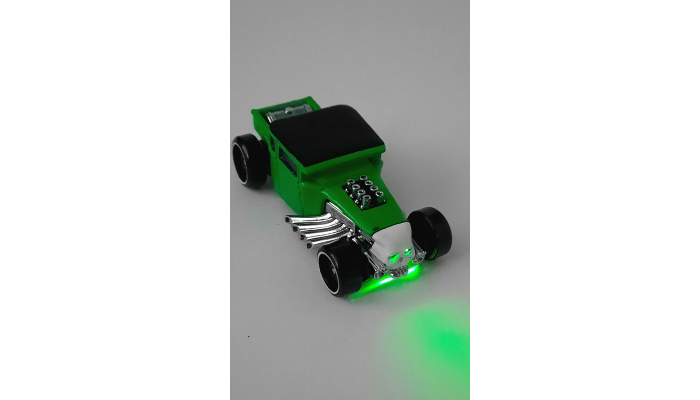
Types of LED Lights for Cars
Different types of LED lights serve different purposes. Knowing them will help you pick the right ones.
1. LED Headlights
- Used for replacing traditional halogen or HID headlights.
- Provide clear white or bluish light for long-distance visibility.
- Perfect for highways and night driving.
2. LED Fog Lights
- Positioned lower in the bumper.
- Help cut through fog, rain, or snow with wide-angle beams.
- Usually emit yellow or white light.
3. LED Interior Lights
- Installed inside the car cabin (roof, dashboard, footwell).
- Available in different colors for ambient lighting.
- Useful for styling and better visibility inside the car.
4. LED Tail Lights & Brake Lights
- Provide faster response than halogen bulbs.
- Make your car more visible to other drivers, reducing accident risks.
5. LED Daytime Running Lights (DRLs)
- Automatically light up during the day for better vehicle visibility.
- Stylish and safety-enhancing feature in modern cars.
Key Factors to Consider Before Buying LED Lights for Car
1. Brightness (Lumens Count)
- LED lights are measured in lumens, not watts.
- For headlights, choose 6,000–8,000 lumens per bulb for balanced brightness.
- Avoid extremely high lumen ratings, as they may dazzle oncoming drivers.
2. Color Temperature (Kelvin Rating)
- Determines the color of the light.
- 4,000K–5,000K: Warm white light, comfortable for eyes.
- 6,000K–6,500K: Pure white light, most popular for car headlights.
- 8,000K and above: Bluish tint, stylish but less practical in foggy conditions.
3. Compatibility with Car Model
- Not every LED bulb fits every car socket.
- Check your car manual or consult an auto-electrician to find compatible bulb sizes (H1, H4, H7, 9005, etc.).
4. Beam Pattern
- A good LED headlight should mimic the original halogen beam pattern.
- Proper focus prevents glare to oncoming drivers and ensures road coverage.
5. Cooling System
- LEDs generate heat at the base.
- Choose LEDs with built-in cooling fans or heat sinks for longer lifespan.
6. Waterproof & Dustproof Rating
- Look for IP65 or IP67 rated LEDs, especially for fog lights and headlights.
- Ensures durability in rainy or dusty conditions.
7. Installation Process
- Some LED lights are plug-and-play (easy DIY installation).
- Others may require ballasts, drivers, or professional fitting.
8. Legal Compliance
- In some regions, certain high-intensity LEDs are not road legal.
- Always check local regulations before upgrading.
9. Price vs. Quality
- Very cheap LEDs often compromise on beam quality and lifespan.
- Go for reputed brands that provide warranty and certifications.
Best Practices for Installing LED Lights for Car
- Check Voltage Requirements: Ensure the LED matches your car’s electrical system.
- Avoid Overheating: Install LEDs with cooling fans or proper ventilation.
- Hire a Professional: If unsure, get installation done by a certified technician.
- Adjust Headlight Alignment: Misaligned lights can blind other drivers.
- Use Recommended Wattage: Overpowered LEDs can damage wiring or the alternator.
Common Mistakes to Avoid
- Buying LED lights only for looks and ignoring safety.
- Choosing the wrong color temperature for foggy conditions.
- Ignoring heat dissipation features.
- Installing cheap LEDs that burn out quickly.
Conclusion
Choosing the right LED lights for car requires more than just picking the brightest option. You need to consider lumens, color temperature, compatibility, cooling, waterproofing, and legality to ensure both safety and performance.
Whether you want better road visibility at night, stylish interior lighting, or energy-efficient tail lights, LEDs are a smart upgrade. Invest in a quality brand, ensure proper installation, and you’ll enjoy safer drives, longer-lasting performance, and a modern look for your car.
Resource URL:
https://evandesigns.com/collections/hobby-leds
https://en.wikipedia.org/wiki/Automotive_lighting

James Scott was born in Missouri and studied at the University of Central Missouri. Currently working as Manager at ActoutLoud, James Scott helps readers learn the fields of Law, Marketing, Construction, Education, Health, etc hone their skills, and find their unique voice so they can stand out from the crowd.
How to Cite This Article
James Scott. "How To Choose The Right LED Lights For Car?." Act Out Loud, September 15, 2025. https://actoutloud.org/how-to-choose-the-right-led-lights-for-car/