How to Choose the Right Florida Luxury Home Design
Choose Florida luxury homes by balancing lifestyle, location, budget, and builders. Prioritize quality, climate-smart design, and features like coastal views or gated community amenities.
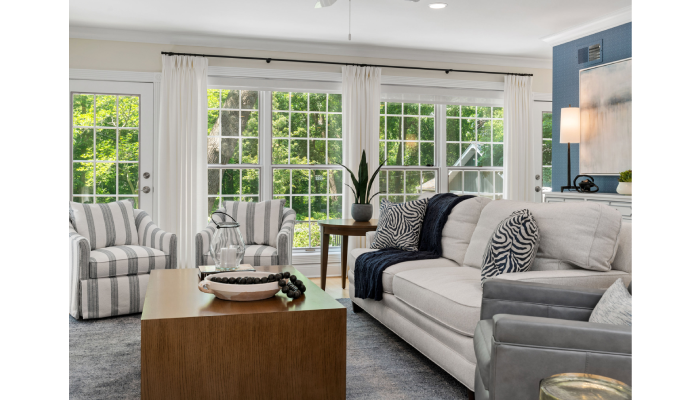
Choosing the right luxury home design in Florida involves balancing lifestyle preferences with practical needs. Start by deciding if you want a coastal property with ocean views or prefer inland privacy, keeping in mind weather risks and costs. Urban areas like Miami offer vibrant culture, while suburbs provide tranquility and gated communities with amenities such as golf courses and marinas. Budget realistically, securing financing through lenders familiar with jumbo mortgages is key. When selecting a builder, focus on quality rather than price to ensure craftsmanship meets your expectations. Finally, designs should suit Florida’s climate using hurricane-resistant materials and indoor-outdoor living spaces that embrace natural light and ventilation.
Consider Location and Lifestyle Preferences in Florida
Choosing the right location is essential when selecting a Florida luxury home. Coastal beachfront properties offer stunning ocean views and a resort-like lifestyle but come with higher costs and increased exposure to storms and flooding. Inland homes often provide more privacy, lower insurance premiums, and less risk from hurricanes. Urban areas like Miami, Tampa, and Orlando attract those who want vibrant city life, cultural events, and nightlife, while quieter suburban towns such as Naples, Palm Beach, and Sarasota appeal to buyers seeking tranquility and a close-knit community feel. Consider what amenities matter most to you: many luxury communities feature golf courses, private marinas, gated security, fitness centers, and social clubs that can enrich daily living and boost property value. If schools are a factor, researching local districts is important, as top-rated schools not only benefit families but also enhance resale prospects. Understanding future development plans can reveal how the neighborhood might evolve, affecting your home’s long-term worth. Practical aspects like proximity to work, airports, hospitals, and shopping centers should fit your routine for convenience. Also, check local zoning laws and HOA rules since these can impact property use and future renovations. The neighborhood’s vibe and demographics should align with your lifestyle preferences, ensuring you feel at home. Transportation options such as highways, public transit, and walkability are worth factoring in for ease of travel. Lastly, evaluate flood zones and insurance requirements carefully, especially in coastal areas, to understand exposure to hurricanes and flooding risks and to plan accordingly.
- Decide between coastal beachfront properties with ocean views and higher costs versus inland homes offering more privacy and lower risk from storms.
- Compare urban areas like Miami, Tampa, and Orlando for vibrant city life, cultural events, and nightlife against quieter suburban towns such as Naples, Palm Beach, and Sarasota.
- Look into community amenities including golf courses, private marinas, gated security, fitness centers, and social clubs that can enhance your daily living and add value.
- Research local school districts if education is a factor, as good schools tend to boost property values and attract long-term buyers.
- Investigate current and planned developments nearby to understand how the neighborhood might grow and affect your investment.
- Consider proximity to work, airports, hospitals, and shopping centers to fit your daily routine and convenience needs.
- Check local zoning laws and HOA regulations that may influence property use and future modifications.
- Assess the neighborhood’s overall vibe and demographics to ensure it fits your lifestyle preferences.
- Factor in transportation options including highways, public transit, and walkability for ease of travel.
- Evaluate flood zones and insurance requirements, as location affects vulnerability to hurricanes and flooding risks.

Plan Your Financing and Set a Realistic Budget
Before diving into the details of your Florida luxury home design, it’s crucial to plan your financing carefully and establish a realistic budget. Start by obtaining pre-approval for jumbo loans tailored for high-value luxury properties. These loans are specifically designed for expensive Florida homes and can help streamline the purchasing process by showing sellers you are a serious buyer. Work closely with lenders experienced in luxury home mortgages, as they understand the unique documentation needs, such as detailed income verification, credit history, and asset statements, which can prevent delays or unexpected hurdles. When setting your budget, don’t just factor in the purchase price; include the down payment, monthly mortgage payments, property taxes, insurance, and ongoing maintenance costs. Florida’s climate brings additional expenses like windstorm and flood insurance, which should be incorporated into your financial plan. Also, keep in mind that closing costs tend to be higher for luxury homes due to the complexity of the transactions. It’s wise to include contingency funds for unforeseen expenses, especially if your home involves new construction or renovations. Explore various financing options such as fixed-rate or adjustable-rate mortgages to find what best fits your financial goals. If your property is part of a gated or resort-style community, plan for homeowner association fees as well. Finally, consider your long-term financial plans, including retirement and investment goals, to ensure that your luxury home purchase aligns with your overall financial future.
Choose the Right Luxury Home Builder
Before selecting a luxury home builder in Florida, clearly outline your expectations including preferred architectural styles, desired features, and quality standards. Avoid choosing a builder based solely on the lowest price, as cheaper options often compromise craftsmanship and materials, which can affect your home’s long-term value. Verify essential credentials such as licenses, insurance, and ask for references from past luxury home clients to ensure reliability. Review portfolios of completed projects to assess their style range and the quality of finishes they deliver. Meeting directly with builders is crucial to discuss their construction process, timelines, subcontractors, and quality control measures. Make sure the builder has experience handling Florida’s specific climate challenges like hurricane resistance and humidity control. Inquire about warranties on workmanship and materials to provide peace of mind after completion. Communication style is also important; understand how the builder provides updates and maintains transparency throughout the project. Research their reputation through online reviews, builder associations, and local awards to gauge client satisfaction and industry recognition. Finally, take your time comparing multiple builders to find one who aligns with your design vision, budget, and expectations for a smooth building experience.
Explore Popular Florida Architectural Styles
Florida luxury homes showcase a variety of architectural styles that blend beauty with practicality for the local climate. Mediterranean Revival is a timeless choice, featuring stucco walls, red tile roofs, arched windows, and wrought-iron details that bring a touch of historic European elegance to the Sunshine State. In contrast, Art Deco stands out with its pastel colors, geometric shapes, and decorative accents, especially popular in Miami Beach neighborhoods. For those who prefer a more modern vibe, Coastal Contemporary homes emphasize clean lines, open floor plans, and expansive windows that flood interiors with natural light while using wood, stone, and glass to create a seamless connection with the outdoors. Modern Coastal designs take this further by integrating sustainable materials and passive cooling strategies, making them well-suited for Florida’s warm and humid environment. Key architectural elements across these styles often include wide eaves, covered porches, and verandas, which provide essential shade and enhance outdoor living comfort. Natural textures like stone and wood help ground the home in its environment, while hurricane-resistant features such as impact windows and reinforced roofs are vital for safety without compromising style. Many homeowners blend traditional and modern elements to craft a unique luxury home that reflects personal taste while respecting Florida’s climate demands. Choosing light, airy color palettes not only highlights the home’s design but also helps reduce heat absorption. Complementary landscaping that conserves water and matches the architectural style completes the look, creating a balanced and inviting luxury residence.
Design for Florida’s Climate and Environment
When designing a luxury home in Florida, it’s important to create spaces that take full advantage of the state’s warm, humid climate while protecting against its environmental challenges. Open layouts with large sliding or accordion glass doors can connect indoor living areas seamlessly to patios, pools, and gardens, encouraging an indoor-outdoor lifestyle that suits Florida’s year-round warmth. Flooring choices like porcelain tile help keep interiors cool and resist humidity damage, a practical alternative to hardwood or carpet in this climate. Light-colored roofing materials reflect sunlight, reducing heat absorption and lowering cooling costs, while reflective exterior paints further help maintain comfortable indoor temperatures. Given Florida’s risk of hurricanes, reinforced concrete walls, steel framing, and impact-resistant windows and doors are essential for safety and durability. Hip-shaped roofs are preferred for their superior wind resistance compared to gabled roofs, and elevating the foundation helps guard against flood damage in vulnerable areas. Incorporating automated storm shutters and backup generators prepares the home for severe weather events. Good ventilation is also key: ceiling fans and cross-ventilation strategies improve airflow and comfort without relying solely on air conditioning. Finally, landscaping with native, drought-resistant plants reduces irrigation needs and ensures the outdoor environment remains resilient and attractive throughout the seasons.
Prioritize Key Luxury Home Features
When choosing a luxury home design in Florida, focusing on essential features can elevate your living experience while ensuring long-term value. Start with premium materials like hardwood or stone flooring, plaster walls, and glass or ceramic tiles; these bring durability and timeless style to your home. Architectural details such as archways, pillars, and recessed shelving add subtle character without making spaces feel crowded. Plan spacious layouts that balance grand open areas for entertaining with private rooms designed for work or relaxation. The kitchen should be a centerpiece, equipped with granite or quartz countertops, large islands, top-tier appliances, and a butler’s pantry, all complemented by high-quality cabinetry and well-thought-out lighting. Bathrooms deserve special attention as well, design spa-like retreats featuring soaking tubs, multi-head showers, steam rooms, radiant floor heating, and luxury fixtures like smart mirrors and integrated sound systems. Seamless indoor-outdoor transitions are a must in Florida; using glass walls and biophilic elements can connect your interior to outdoor kitchens, dining spaces, and water features, enhancing natural flow and enjoyment. Don’t overlook smart home technology, which adds convenience and security with automated lighting, locks, climate control, and remote monitoring. Tailor your home to your lifestyle by including special-purpose rooms such as home theaters, gyms, or art studios. Invest in durable, high-performance appliances in the kitchen, laundry, and outdoor cooking areas to ensure long-term satisfaction. Finally, design walk-in closets and dressing rooms that offer ample storage and comfort, combining function with luxury. Prioritizing these features creates a balanced, elegant home that fits Florida’s lifestyle and climate while offering lasting appeal.
Work with Experienced Florida Architects and Designers
Selecting architects and designers who understand Florida’s unique building codes, climate challenges, and style preferences is essential for a luxury home that fits both regulatory requirements and local living conditions. Look for professionals with experience designing luxury homes in your specific Florida region, whether coastal or inland, to ensure they bring relevant expertise. Collaboration is key: work closely with your architect to choose design elements that balance beauty, practicality, and resilience against humidity, heat, and hurricanes. Make sure sustainability features like solar panels, energy-efficient systems, and water-saving fixtures are part of the plan to reduce long-term costs and environmental impact. Discuss integrating smart home technology early on to future-proof your property with automated controls and security systems. Ask your designer to recommend materials and finishes proven to withstand Florida’s humid and hurricane-prone environment, such as impact-resistant windows and durable roofing. Reviewing design plans thoroughly will help confirm the flow, space allocation, and seamless indoor-outdoor living integration, which is vital in Florida’s lifestyle. Architects who use 3D modeling or virtual walkthroughs can provide a clearer vision of the finished home, making adjustments easier before construction begins. Also, consider designers with landscaping and outdoor living space expertise to create cohesive environments that extend your living area into the outdoors naturally. Finally, experienced Florida architects often handle approvals, permits, and builder coordination, streamlining the construction process and helping avoid costly delays or compliance issues.
Incorporate Sustainability and Smart Home Technology
Incorporating sustainability and smart home technology is essential when choosing a luxury home design in Florida. Solar panels are a practical choice to reduce energy costs and take advantage of the state’s abundant sunshine while lowering your environmental footprint. Pairing this with energy-efficient appliances and LED lighting further cuts electricity use, helping keep utility bills manageable. Water conservation is equally important, so consider installing rainwater harvesting systems for irrigation along with water-saving fixtures like low-flow toilets and faucets to reduce water consumption. Selecting durable, eco-friendly building materials not only benefits the environment but also means less maintenance and longer-lasting finishes. Smart thermostats with zoning options allow you to optimize cooling and heating in different areas of the home, which is critical in Florida’s warm climate. Automated lighting and shading systems can adjust based on natural light and occupancy, improving comfort and energy efficiency. For safety, smart security systems featuring cameras, sensors, and remote access give peace of mind without sacrificing convenience. Voice-controlled home automation can manage lighting, blinds, and entertainment systems smoothly, enhancing daily living. Finally, consider advanced air purification and ventilation systems to maintain healthy indoor air quality, especially important in Florida’s humid environment. Together, these features create a luxury home that is both high-tech and environmentally responsible.
Evaluate Future Resale Value and Neighborhood Growth
When choosing a Florida luxury home design, it’s important to think beyond your current needs and consider future resale value. Focus on locations where property values are stable or rising, often supported by ongoing economic development and infrastructure upgrades. Investigate neighborhood plans for new schools, shopping centers, or transportation projects, as these can significantly boost desirability and long-term appreciation. Select architectural styles and features with broad appeal that won’t quickly feel outdated, avoiding overly customized elements that might limit future buyer interest. The builder’s reputation and construction quality are key factors influencing value over time, so prioritize trusted builders known for durability and finish. Also, assess the homeowner association’s strength and rules, since strict or unfavorable regulations can deter buyers. Look into local crime rates and community stability to ensure the area maintains strong demand. Choose homesites with good orientation, attractive views, and privacy, as these traits improve marketability. Convenient access to amenities like golf courses, marinas, and fitness centers is often sought after in luxury markets. Finally, consider maintenance and operational costs; homes that are expensive to upkeep can discourage future buyers, so aim for designs that balance luxury with reasonable ongoing expenses.
Visit Homes and Stay Patient During the Process
Touring model homes and completed luxury projects allows you to experience layouts, finishes, and overall quality firsthand, which is invaluable when choosing the right design. Attending open houses and scheduling private showings gives you the chance to compare various builders and styles side by side. During these visits, ask detailed questions about materials used, warranties offered, and construction timelines to better understand what you’re investing in. Pay close attention to how homes manage Florida’s humidity and storm risks, such as quality of ventilation, roofing, and impact-resistant windows. Taking notes and photos at each visit helps you keep track of your preferences and specific features that stand out. Remember, finding or building a custom luxury home in Florida can take several months, so staying patient is key. Flexibility is important too; be ready to adjust your expectations based on availability, budget, and site conditions. Clear communication with builders and real estate agents helps prevent misunderstandings and delays, making the process smoother. Use each visit as an opportunity to refine your vision and gather ideas that align with your lifestyle and needs. Rushing decisions often leads to compromises, so allowing yourself time to explore options thoroughly will help you find a home that truly fits your desires and stands up to Florida’s unique environment.
Resource URL:
https://www.aklarch.com/florida-rebuild
https://en.wikipedia.org/wiki/Interior_design

James Scott was born in Missouri and studied at the University of Central Missouri. Currently working as Manager at ActoutLoud, James Scott helps readers learn the fields of Law, Marketing, Construction, Education, Health, etc hone their skills, and find their unique voice so they can stand out from the crowd.
How to Cite This Article
James Scott. "How to Choose the Right Florida Luxury Home Design." Act Out Loud, June 25, 2025. https://actoutloud.org/how-to-choose-the-right-florida-luxury-home-design/