How To Choose The Best Road Marking Paint For Your Project?

Last Updated:
Choosing the best road marking paint for your project involves several considerations that can greatly affect the longevity and effectiveness of your markings. Road markings are crucial for ensuring traffic safety, guiding drivers, and maintaining organized traffic flow. A proper selection of road marking paint not only improves visibility but also contributes to the overall aesthetics of the roadway. With various options available on the market, understanding the unique characteristics and applications of different types of road marking paints becomes essential. This guide will walk you through key factors to consider, types of paint, performance evaluations, and more, helping you make an informed choice.
Understanding the Different Types of Road Marking Paint
Road marking paint comes in several types, each designed to meet specific project requirements. Water-based paints are popular due to their quick drying times and low VOC (volatile organic compounds) content, making them an eco-friendly choice. Solvent-based paints offer greater durability and weather resistance, ideal for high-traffic areas but may emit higher VOCs. Thermoplastic paints are heated before application and are known for their exceptional durability and skid resistance, making them suitable for long-lasting road markings. Understanding these options allows you to choose the right type of paint based on your specific needs, such as location, traffic volume, and environmental conditions.
Key Factors to Consider When Selecting Road Marking Paint
When selecting road marking paint, several critical factors should guide your decision. Durability is paramount, as the paint must withstand heavy traffic, weather conditions, and UV exposure. The drying time of the paint is also essential, as faster-drying options can minimize disruption to traffic. Reflectivity is another key consideration, particularly for night-time visibility; high-quality paints enhance safety by ensuring that markings are visible even in low light. Additionally, consider the application process, maintenance requirements, and any specific regulations or standards that your project must adhere to, ensuring the chosen paint meets all necessary criteria.
Evaluating the Performance of Road Marking Paint
The performance of road marking paint is crucial to its effectiveness and longevity. Key performance characteristics include resistance to various weather conditions such as rain, snow, and extreme temperatures, which can significantly affect the lifespan of the markings. Paint must also resist wear from traffic, ensuring that markings remain visible and effective over time. Visibility standards, which include reflectivity and color retention, are vital for maintaining safety on the road. Evaluating these performance aspects will help you choose a road marking paint that can withstand the specific challenges of your project while ensuring safety and compliance with relevant regulations.
Comparing Costs of Different Road Marking Paint Options
Cost is a significant factor when selecting road marking paint, as prices can vary widely among different types and brands. While it may be tempting to opt for the cheapest option, it’s essential to consider the balance between cost and quality. Higher-quality paints may have a higher initial cost but often offer better durability, which can lead to long-term savings by reducing the frequency of reapplication. Additionally, consider the costs associated with labor and equipment for application, as some paints may require specialized tools or techniques. Conducting a thorough cost analysis will ensure you make a financially sound decision without compromising on quality.
How to Assess the Environmental Impact of Road Marking Paint?
When choosing road marking paint, it’s increasingly important to assess its environmental impact. Look for products with low VOC levels, as these paints contribute less to air pollution and are safer for both applicators and the environment. Additionally, consider the sustainability practices of the manufacturer, such as whether they use recycled materials or eco-friendly production methods. Some brands also offer biodegradable or environmentally friendly alternatives that can provide the same level of performance while reducing your project’s ecological footprint. By prioritizing environmentally responsible options, you can contribute to a more sustainable future while still meeting your project needs.
Understanding Application Methods for Road Marking Paint
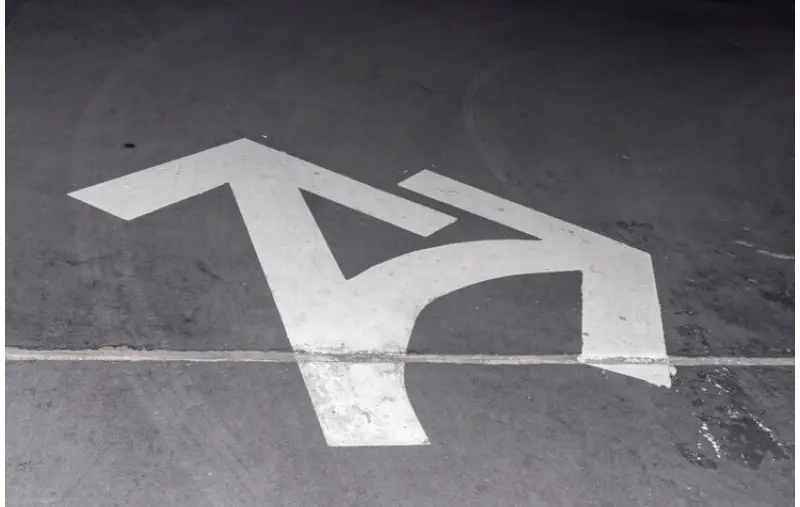
Understanding the different application methods for road marking paint is crucial for achieving the best results. Common application techniques include spray, roller, and stenciling. Spray application is favored for its speed and efficiency, allowing for even coverage and precise lines, especially on larger surfaces. Roller application is often used for smaller projects and can provide a thicker coat, which may enhance durability. Stenciling is ideal for creating specific symbols or designs, such as arrows and letters, ensuring accurate placement. Evaluating the project scope and requirements will help you choose the most effective application method, ultimately influencing the paint’s performance and appearance.
Finding Reliable Suppliers for Road Marking Paint
Finding reliable suppliers for road marking paint is essential to ensure you receive quality products that meet your project specifications. Start by researching local suppliers and checking their reputation through customer reviews and testimonials. Look for suppliers that offer a range of product certifications, as this indicates compliance with industry standards. Additionally, inquire about warranty offerings to ensure that you have recourse in case of product failure. Building a relationship with reputable suppliers can also lead to better pricing, expert advice, and reliable delivery, ultimately contributing to the success of your road marking project.
Conclusion
Selecting the best road marking paint requires careful consideration of various factors, including types of paint, performance characteristics, cost, environmental impact, application methods, and supplier reliability. By understanding these elements, you can make informed decisions that enhance the safety and aesthetics of your project. Ultimately, investing time in research and evaluation will pay off in the form of durable, effective road markings that stand the test of time and contribute positively to road safety.

Emery Richardson, a skilled writer residing in the vibrant city of Austin, Texas. With a passion for business and a deep understanding of technology, I weave words to illuminate complex topics. From startups to the latest tech trends, my expertise shines through. Join me on a journey of insightful exploration and engaging narratives.
How to Cite This Article
Emery Richardson. "How To Choose The Best Road Marking Paint For Your Project?." Act Out Loud, July 9, 2024. https://actoutloud.org/how-to-choose-the-best-road-marking-paint-for-your-project/