How Technology Can Help Achieve Deafness Free India 2047?
The path to a Deafness Free India by 2047 is bright, leveraging technology for early detection, digital aids, tele-audiology, and inclusive education.
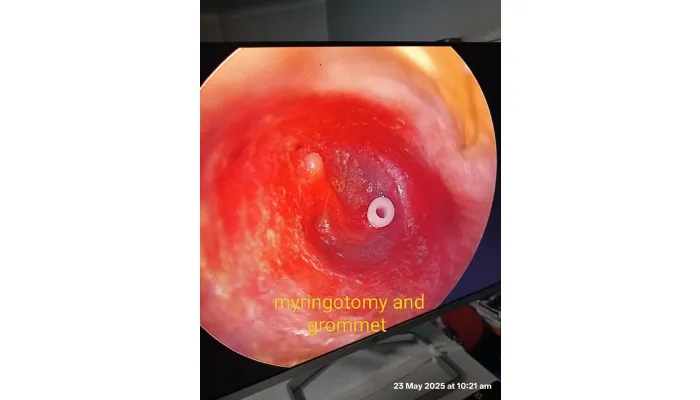
The journey toward a Deafness Free India by 2047 is truly inspiring and can be largely supported through technology. Early detection of hearing issues using innovative machines can significantly enhance intervention outcomes for newborns, setting the stage for better language development. Modern digital hearing aids and cochlear implants are making strides in accessibility, allowing those with severe hearing loss to participate fully in life. Tele-audiology breaks barriers of distance, providing remote support to individuals, especially in rural areas. Furthermore, integrating educational technologies facilitates inclusive learning for hearing-impaired children, while data-driven policies ensure effective resource allocation. Embracing these advancements could create a brighter future for all!
1. Vision for Deafness Free India 2047
Aiming for a Deafness Free India by 2047 is an exciting journey. The goal is to ensure universal access to hearing care, which means that every person, no matter where they live, should have the opportunity to receive the hearing health services they need. To make this vision a reality, India must create a strong network of audiologists and hearing care professionals throughout the country. This network will be essential in providing timely and effective interventions.
Education plays a significant role in this vision. By incorporating hearing health education into school curriculums, we can raise awareness from a young age, teaching children about the importance of ear care and the impact of hearing loss. Establishing community hearing health programs in rural areas will also ensure that those who may not have easy access to medical facilities can receive the care and information they need.
Partnerships between the government and NGOs are vital for awareness campaigns. Together, they can promote initiatives that educate the public about hearing loss prevention and available treatments. Setting national standards for hearing screenings and interventions will help ensure that everyone receives consistent and quality care.
Encouraging research and innovation in hearing loss prevention is crucial. By fostering an environment that values new ideas and technologies, India can develop better solutions for those at risk of hearing loss. Promoting policies that support affordable hearing care technologies will make a significant difference, allowing more people to access the devices and services they need.
Engaging the private sector to invest in hearing health initiatives can create a more sustainable approach to achieving this vision. As we celebrate milestones and achievements along the way, we can inspire more people to join this important cause, working together to build a future where no one suffers from preventable hearing loss.
- Aiming for universal access to hearing care by 2047.
- Creating a network of audiologists and hearing care professionals across the country.
- Incorporating hearing health education into school curricula.
- Establishing community hearing health programs in rural areas.
- Fostering partnerships between the government and NGOs for awareness campaigns.
- Setting national standards for hearing screenings and interventions.
- Encouraging research and innovation in hearing loss prevention.
- Promoting policies that support affordable hearing care technologies.
- Engaging the private sector to invest in hearing health initiatives.
- Celebrating milestones and achievements towards a Deafness Free India.

2. Early Detection Through Technology
Early detection of hearing issues is vital for effective intervention, and technology is leading the way in this crucial area. Implementing mandatory newborn hearing screening across hospitals ensures that every child is tested shortly after birth. This can be enhanced through smartphone applications designed for community-based screenings, making it easier for families and healthcare workers to identify potential hearing problems. Training healthcare workers, especially in rural areas, on how to use these screening technologies is essential to ensure accessibility. Integrating hearing tests into regular pediatric check-ups normalizes the process and encourages parents to prioritize their children’s auditory health.
Moreover, developing low-cost screening devices specifically for grassroots workers can significantly increase the reach of these services. Utilizing machine learning algorithms can enhance the accuracy of screenings, allowing for quicker and more reliable results. Creating awareness programs about the importance of early detection will empower families to seek help early on, while establishing referral systems for identified cases ensures that those in need receive further evaluation and support. By partnering with health tech startups, innovative new screening methods can be developed, pushing the boundaries of what is possible. Encouraging families to seek early intervention for their children could transform lives, making it an essential part of our journey toward a Deafness Free India by 2047.
3. Advancements in Assistive Devices
Advancements in assistive devices are paving the way for a brighter future for individuals with hearing impairments in India. With the rise of affordable digital hearing aids, more people can access these life-changing tools without breaking the bank. These modern hearing aids are not just basic amplifiers; they come with features like noise cancellation and connectivity options, allowing users to enjoy a better auditory experience in various environments. Moreover, cochlear implants are becoming increasingly popular as they offer eligible individuals a chance to regain their hearing, opening doors to communication and social interaction.
Artificial intelligence is also playing a significant role in personalizing hearing solutions. By analyzing user preferences and environments, AI can help tailor the settings of hearing aids for optimal performance. Additionally, creating awareness about the latest assistive devices is essential. Many people are unaware of the advancements available, which can significantly improve their quality of life.
Programs aimed at distributing devices to underprivileged populations can help bridge the gap in access to hearing care. Encouraging schools to adopt assistive technology will create inclusive classrooms where all students can learn together, regardless of their hearing abilities. Collaborating with manufacturers to reduce production costs will ensure that high-quality devices remain affordable for everyone.
It’s equally important to provide training for users, helping them maximize the benefits of their devices. Regular updates to models will incorporate the latest technology, ensuring users have access to the best options available. Finally, fostering a culture of acceptance and use of hearing aids within society will encourage individuals to embrace these technologies, reducing stigma and promoting inclusivity.
4. Tele-Audiology: A New Era of Support
Tele-audiology is reshaping how we think about hearing health, especially for those in remote areas. By expanding tele-audiology services, we can bring critical audiology support right to people’s homes. Imagine being able to have an online consultation with an audiologist without the need to travel long distances. This is now a reality, enabling timely follow-ups for individuals using hearing devices. Video conferencing technology allows for real-time hearing tests, making it easier than ever for patients to receive accurate assessments.
Additionally, tele-audiology offers a unique opportunity to train families on how to use hearing devices effectively via remote training sessions. This ensures that family members are equipped to support their loved ones in navigating their hearing health journey. Mobile apps can further enhance this experience by sending regular reminders for hearing health check-ins, empowering users to take charge of their auditory well-being.
For those who encounter issues with their devices, establishing a helpline for immediate support and troubleshooting can make a world of difference. Collaborating with local health workers for community outreach can help spread awareness about these tele-services, ensuring that everyone has access to the resources they need. Promoting tele-audiology during public health campaigns can increase its visibility and encourage more people to take advantage of these services.
Moreover, as we work towards a Deafness Free India, enhancing digital literacy is vital. By ensuring that communities are comfortable with technology, we can maximize the impact of tele-audiology. Gathering feedback from users will also be crucial in improving the effectiveness of these services, making them even more responsive to the needs of the community.
5. Educational Tools for Hearing-Impaired Children
Technology has the power to transform education for hearing-impaired children, making learning engaging and accessible. Interactive learning platforms specifically designed for these students can offer tailored content that resonates with their needs. By integrating sign language resources into mainstream education, schools can create a welcoming environment where all students, regardless of hearing ability, can thrive together. The use of visuals and audio cues in educational content can enhance understanding, making lessons more enjoyable and effective.
Training teachers on how to utilize assistive technology in their classrooms is essential. Educators equipped with the right tools and knowledge can foster a more inclusive atmosphere, where collaboration between hearing and hearing-impaired students becomes the norm. Gamification can play a crucial role as well, turning learning into a fun and interactive experience, motivating students to engage more actively.
Additionally, organizing workshops for parents can empower them to support their children’s educational journey at home. By fostering partnerships with tech companies, schools can access cutting-edge educational resources, ensuring that students with hearing impairments receive high-quality materials. Regular monitoring and evaluation of these educational tools will be key to assessing their effectiveness and making necessary adjustments, ensuring that every child has the opportunity to succeed.
6. Raising Awareness in Communities
Raising awareness in communities is a critical step towards achieving a Deafness Free India by 2047. Launching social media campaigns focused on hearing health can effectively reach a vast audience, spreading vital information quickly and engagingly. Organizing workshops and seminars in local communities allows for face-to-face interactions where people can ask questions and learn directly from experts. It’s also essential to create educational materials in local languages, ensuring that everyone has access to the information they need. Involving local leaders to champion hearing health causes can inspire community action and build trust. Utilizing local radio and television can amplify these messages, reaching even those without internet access. Partnering with influencers can help bring attention to hearing health issues, attracting younger audiences. Encouraging community health workers to disseminate information ensures that outreach is both personal and widespread. Establishing support groups for individuals with hearing loss fosters a sense of community and belonging. Conducting awareness events in schools and colleges can educate the younger generation, instilling the importance of hearing health from an early age. Finally, tracking the impact of these initiatives through surveys can help refine strategies and demonstrate progress, making sure that efforts are effective and impactful.
7. Utilizing Data for Effective Policies
Establishing national databases for hearing health statistics is vital for understanding the scope of hearing impairment in India. By collaborating with universities, researchers can dive deeper into the causes and consequences of hearing loss, allowing us to identify high-risk populations through data analytics. This targeted approach helps in forming evidence-based policies that allocate resources where they are needed most. Tracking treatment outcomes not only informs future strategies but also engages communities in the data collection process, fostering a sense of ownership in the fight against hearing loss. Transparency in data sharing among stakeholders ensures that everyone involved is on the same page, promoting collaboration. Additionally, utilizing mobile technology for real-time data gathering can enhance the speed and accuracy of information collection. Creating dashboards to monitor progress towards our goals will keep us accountable and motivated. Regular reviews of policies based on rich data insights ensure that we remain adaptable and responsive to emerging challenges in hearing health.
8. Innovations Making Hearing Care Affordable
Innovations are at the forefront of making hearing care affordable, ensuring that more people can access the devices they need. One exciting approach is the promotion of open-source designs for hearing aids. By enabling developers to create low-cost alternatives, these designs can significantly reduce the financial burden on families. Public-private partnerships are another vital strategy, allowing for the effective distribution of devices through collaboration between government entities and private companies, ensuring that hearing aids reach those who need them most.
To further alleviate costs, subsidies for low-income families can make a world of difference, enabling them to obtain essential hearing devices. Additionally, bulk purchase agreements can lower the price of hearing aids, making them more accessible to healthcare providers and community organizations.
Awareness campaigns play a crucial role in educating the public about low-cost alternatives available in the market. By highlighting these options, communities can become more informed about the choices they have. Fostering competitive markets for hearing care technologies encourages innovation and drives prices down.
Engaging local entrepreneurs to develop affordable solutions can lead to creative and culturally relevant products that resonate with the community, making hearing care more personalized. Exploring microfinance options for purchasing hearing devices opens avenues for families who may not have the means to pay upfront, ensuring that financial constraints do not limit access to hearing health.
Implementing health insurance policies that cover hearing devices is a game-changer, making it easier for individuals to afford necessary treatments. Lastly, encouraging community fundraising for hearing health initiatives can galvanize local support, creating a collective effort to improve hearing health in neighborhoods. Together, these innovations create a more equitable landscape for hearing care in India.
Frequently Asked Questions
What role does technology play in helping people with hearing loss?
Technology is crucial for supporting those with hearing loss, as it provides tools like hearing aids and cochlear implants, enabling better communication and access to sounds.
How can mobile apps assist in achieving a deafness-free India by 2047?
Mobile apps can help raise awareness about hearing health, offer hearing tests, provide resources for treatment, and connect users with specialists, making information accessible to everyone.
What are some advancements in technology that could improve hearing for the deaf community?
New technologies like artificial intelligence, smart hearing devices, and real-time captioning systems are making it easier for people with hearing loss to enjoy conversations, music, and media.
How can telemedicine contribute to hearing healthcare in India?
Telemedicine allows patients to consult with audiologists and doctors from anywhere, providing expert advice, treatment plans, and follow-up care without needing to travel long distances.
What impact could education about hearing loss and technology have on society?
Educating the public on hearing loss and available technologies can reduce stigma, encourage early detection, and promote a more inclusive environment for those with hearing challenges.
TL;DR Achieving a Deafness Free India by 2047 is an exciting and attainable goal, propelled by innovative technology. Early detection through advanced screening tools ensures timely intervention, while modern assistive devices like digital hearing aids and cochlear implants enhance accessibility. Tele-audiology breaks geographical barriers, offering remote support for individuals, especially in rural areas. Educational technologies empower hearing-impaired children with inclusive learning tools. Awareness campaigns leverage social media to promote ear care, while data-driven policies enable effective resource allocation. Collaborative efforts to create affordable hearing solutions can significantly reduce barriers to care. Together, these advancements pave the way for a future where hearing loss no longer limits opportunities.

James Scott was born in Missouri and studied at the University of Central Missouri. Currently working as Manager at ActoutLoud, James Scott helps readers learn the fields of Law, Marketing, Construction, Education, Health, etc hone their skills, and find their unique voice so they can stand out from the crowd.
How to Cite This Article
James Scott. "How Technology Can Help Achieve Deafness Free India 2047?." Act Out Loud, October 3, 2025. https://actoutloud.org/how-technology-can-help-achieve-deafness-free-indi/