Houston Veneers: Your Ultimate Guide to the Perfect Smile

What are Houston veneers and are they right for you?
Are you thinking about a smile makeover and wondering if Houston veneers are the answer? If you have chipped, stained, or slightly crooked front teeth, veneers can give you a bright, even smile in a short time. They are thin custom shells that cover the front of your teeth to create a natural, beautiful look.
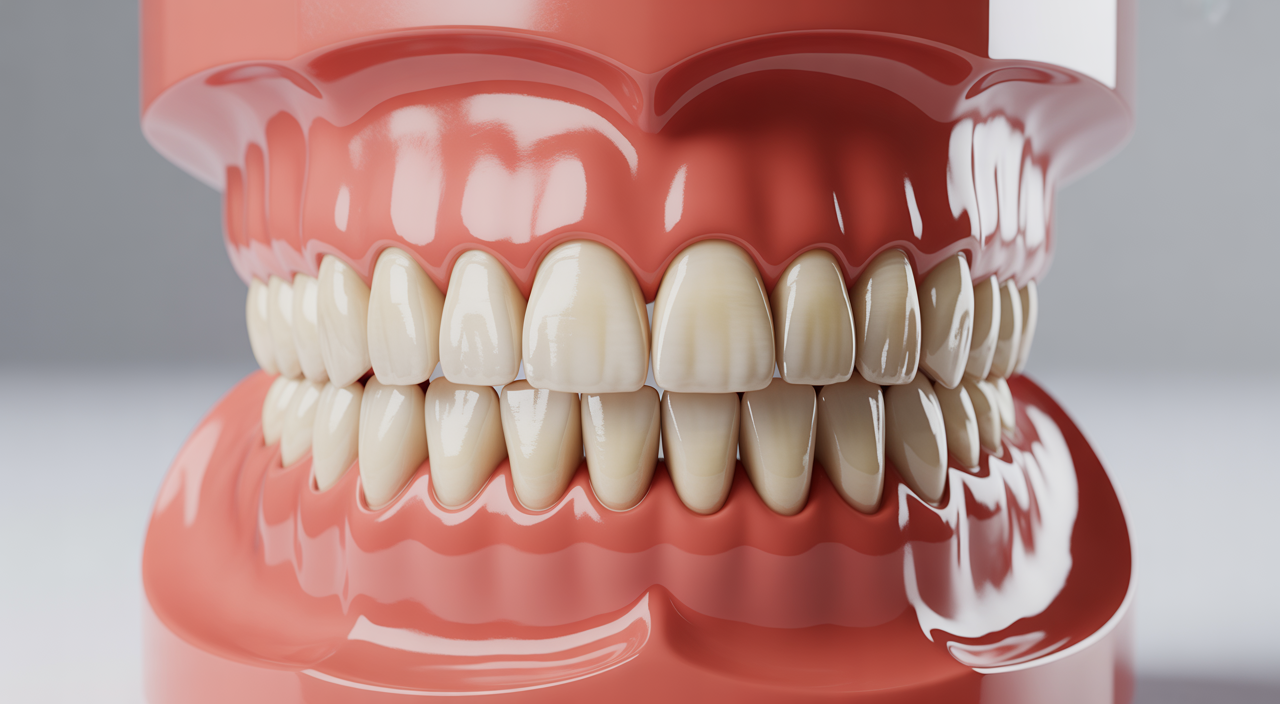
Many people choose Houston veneers when whitening alone is not enough or when they want to fix several cosmetic issues at once. With the right cosmetic dentist, you can get long‑lasting results that look like your own teeth, only better. This guide will walk you through what veneers are, how they work, costs, care, and what to expect at each step.
If you are comparing different cosmetic options, it also helps to understand how veneers fit into the wider world of smile design and cosmetic dentistry. You can explore a broader overview of cosmetic treatments here: complete guide to cosmetic dentistry procedures.
What are dental veneers?
Dental veneers are wafer-thin covers bonded to the front surface of your teeth. They are custom-made to match your face, lip line, and skin tone. The goal is a smile that suits your personality and looks natural, not fake or overdone.
Veneers are often used to correct:
- Severe staining that does not respond to whitening
- Chipped, worn, or cracked front teeth
- Small gaps between teeth
- Slightly crooked or uneven teeth
- Teeth that are too small or oddly shaped
Porcelain vs composite veneers explained
Most Houston veneers are made from either porcelain or composite resin. Each has its own strengths, so the right choice depends on your goals, budget, and how long you want them to last.
Porcelain veneers are crafted in a dental lab from high-quality ceramic. They are very strong and resist staining from tea, coffee, and spices. With good care, porcelain veneers can often last 10 to 15 years or more.
Composite veneers are made from tooth-colored resin that is layered directly on your teeth by the dentist. They usually cost less than porcelain and can often be placed in a single visit. However, they are more likely to stain over time and may last around 5 to 7 years before needing a refresh or replacement.
In simple terms:
- Porcelain: higher cost, longer life, best stain resistance, very natural shine.
- Composite: lower cost, quicker, easier to repair, may need replacement sooner.
No‑prep vs traditional veneers
Traditional cosmetic dental veneers usually require some enamel removal. The dentist gently shapes the front of the tooth so the veneer sits flush and does not look bulky. This is a permanent change, because enamel does not grow back.
No‑prep veneers use ultra-thin shells that may require little or no tooth preparation. In suitable cases, this means less drilling and sometimes no injection. However, not everyone is a candidate. If your teeth are large, very crowded, or darkly discolored, traditional veneers may give better results.
Your cosmetic dentist will examine your bite, tooth color, and gum line to decide which style will look best and feel comfortable long term.
Why choose a local specialist for Houston veneers?
When you invest in veneers, you are investing in your confidence and your long-term oral health. A skilled cosmetic dentist will not only shape the veneers but also study your full face, speech, and bite. This level of planning helps you avoid issues like teeth feeling too thick or your smile looking unnatural in photos.
Patients in busy metros often prefer a clinic that offers digital smile design. This uses photos and software to preview what your new smile could look like before treatment begins. It also helps in planning details such as tooth length and shade.
If you are still choosing the right dental partner, you may find this resource helpful: guide to choosing the right dentist for your needs.
Cost breakdown and financing options
The cost of Houston veneers can vary based on material, number of teeth, and the dentist’s expertise. Porcelain usually costs more per tooth than composite because it involves lab work and multiple visits. Front teeth that show when you smile are often treated together so the color and shape match perfectly.
Typical factors that influence dental veneer price in any big city include:
- Number of veneers needed for a full smile line
- Porcelain vs composite material choice
- Whether additional treatments like whitening or gum contouring are required
- Clinic technology, such as 3D imaging and digital design
Many practices offer flexible payment plans, monthly installments, or third‑party financing. During your consultation, ask for a written estimate that outlines all steps: consultation, imaging, temporaries, and final placement.
The veneer process step by step
Although each clinic has its own style, most veneer journeys follow a similar path. Knowing the steps helps you feel relaxed and prepared.
- Consultation and planning
Your dentist checks your gums, teeth, and bite. Photos and sometimes 3D scans are taken. You discuss what you like and dislike about your current smile, and agree on goals for shape and shade. - Mock‑up or trial smile
In some cases, a temporary mock‑up is created, either digitally or in your mouth with resin. This gives you a preview of your future smile and a chance to give feedback before final veneers are made. - Tooth preparation and impressions
For traditional veneers, a thin layer of enamel is removed. Then detailed impressions or digital scans are taken and sent to the lab. Temporary veneers protect your teeth while the lab creates your permanent ones. - Final bonding
At the final visit, your dentist checks each veneer for fit and color. Small adjustments are made, then the veneers are bonded with a strong adhesive. Once polished, your new smile is ready to show the world.
Veneer aftercare and longevity
Good care can extend the life of your veneers for many years. The nice part is that veneer care is very similar to caring for natural teeth, with a few extra tips.
Daily care tips:
- Brush twice a day with a soft‑bristled brush and non‑abrasive toothpaste.
- Floss gently around each veneered tooth.
- Rinse with a mild, alcohol‑free mouthwash if recommended by your dentist.
Habits to avoid:
- Biting hard objects like ice, pens, or nut shells.
- Using your teeth as tools to open packets.
- Grinding or clenching your teeth. If you grind at night, a custom night guard can protect your veneers.
Regular dental checkups every six months allow your dentist to monitor your veneers, clean away plaque, and polish the surfaces so they keep their shine.
FAQs about Houston veneers
Q1: How long do porcelain veneers usually last?
A: With proper brushing, flossing, and regular dental visits, porcelain veneers often last 10 to 15 years or more. Their lifespan also depends on your habits. Avoiding hard biting, using a night guard if you grind, and following your dentist’s advice will help them stay beautiful for a long time.
Q2: Are veneers painful?
A: Most patients report only mild discomfort, if any. Local numbing is used during tooth preparation so you stay comfortable. You might feel a little sensitivity to hot or cold for a few days after each step, but this usually settles quickly. If you have dental anxiety, discuss soothing options with your dentist before treatment begins.
Q3: Can veneers fix gaps and slightly crooked teeth?
A: Yes, veneers are a popular choice for closing small gaps and giving the appearance of straighter teeth without lengthy orthodontic treatment. Your dentist will check your bite to make sure veneers are a safe and stable option. For more severe crowding or bite issues, braces or clear aligners may be recommended first.
Q4: Will my veneers look fake?
A: When designed carefully, veneers can look extremely natural. Your dentist will choose a shade and translucency that matches your other teeth and your skin tone. Many people prefer a bright but realistic color rather than a very stark white, so your smile looks fresh and healthy in everyday life as well as in photos.

James Scott was born in Missouri and studied at the University of Central Missouri. Currently working as Manager at ActoutLoud, James Scott helps readers learn the fields of Law, Marketing, Construction, Education, Health, etc hone their skills, and find their unique voice so they can stand out from the crowd.
How to Cite This Article
James Scott. "Houston Veneers: Your Ultimate Guide to the Perfect Smile." Act Out Loud, February 11, 2026. https://actoutloud.org/houston-veneers-your-ultimate-guide-to-the-perfect-smile/