High-Performance Road Marking Paint for Durable Asphalt and Concrete Traffic Lines
High-performance road marking paints offer quick drying, strong adhesion, flexibility, and skid resistance, with options like acrylics and thermoplastics tailored for durability and environmental compliance.
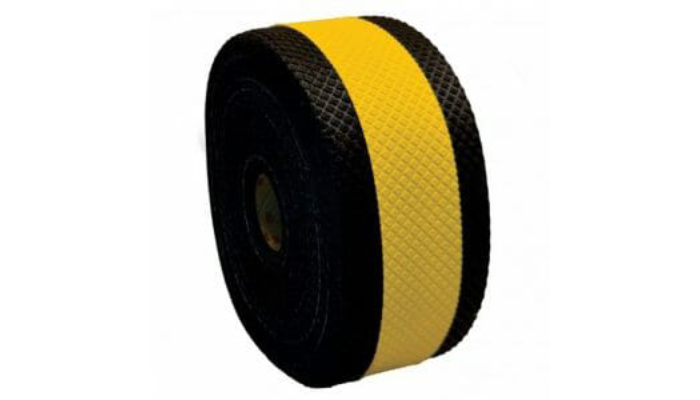
High-performance road marking paints are crucial for long-lasting traffic lines on asphalt and concrete. Various types, like 100% acrylic emulsion paints, provide bright colors, fast drying, and strong adhesion. Liquid thermoplastic paints are notable for their thick, durable markings applied via airless spray equipment. Hybrid solvent-based and methyl methacrylate (MMA) paints add chemical resistance and toughness. Paints dry quickly, often under 15 minutes, which helps reduce traffic disruptions. Many formulations maintain flexibility to handle pavement changes without cracking, while some include skid-resistant features to enhance safety. Environmental compliance is also key; waterborne acrylics offer lower VOC emissions compared to solvent-based options. Proper paint choice depends on specifics such as climate and pavement type.
Types and Formulations of Road Marking Paints
Road marking paints come in several types and formulations designed to meet different application needs and traffic conditions. Water-based 100% acrylic emulsion paints are widely used for their strong adhesion and durability on both asphalt and concrete. They dry quickly and retain bright colors, making them suitable for standard traffic lines like white and yellow. Examples include SealMaster Acrylic Traffic Paint and Sherwin-Williams Pro-Park, both of which comply with federal specifications such as TTP-1952B. Liquid thermoplastic paints offer thick, highly durable markings and are applied cold using airless spray equipment. This cold spray thermoplastic technology delivers the toughness of traditional hot-applied thermoplastics without the need for heating, with products like SealMaster Liquid Thermoplastic leading the category. Hybrid solvent-based paints combine fast drying times with superior toughness, outperforming traditional solvent or water-based paints; Hitt Marking Devices High-Performance Hybrid SB Traffic Paint is a prime example. Methyl methacrylate (MMA) paints are waterborne and cure quickly, offering excellent chemical resistance, which makes them well-suited for heavy traffic areas. AquaTough MMA Traffic Marking Paint illustrates this category. Chlorinated rubber paints, though solvent-based, dry fast and provide excellent adhesion across various pavement types, as seen with Aexcel Corp Chlorinated Rubber Traffic Paint. Beyond base formulations, specialized colors and versions exist to meet requirements such as ADA compliance, bike lanes, and fire lanes, increasing versatility.

Durability and Adhesion of High-Performance Paints
High-performance road marking paints are engineered to deliver lasting durability and strong adhesion on both asphalt and concrete surfaces. Acrylic paints with high solids content maintain flexibility, allowing them to move with the pavement and resist cracking or peeling over time. Thermoplastic paints contribute thick, wear-resistant lines that endure heavy traffic and abrasion, making them well-suited for busy roadways. Hybrid and methyl methacrylate (MMA) formulations offer enhanced chemical resistance, which helps protect markings from damage caused by road salts, oils, and other contaminants. Achieving maximum adhesion requires thorough surface preparation, including proper cleaning and drying of the pavement before application. Advanced binders in these paints ensure consistent bonding despite temperature changes and weather exposure, while additives improve mechanical grip to resist contaminants that could weaken the bond. The combination of flexibility and strong adhesion means the paint can accommodate pavement expansion and contraction without peeling or flaking. Additionally, these high-performance paints maintain their color vibrancy and resist fading from UV rays and traffic wear, reducing the need for frequent repainting and lowering maintenance costs. Overall, the durability and adhesion properties of these paints contribute to safer, more visible traffic lines that stand up to the demands of modern roadways.
Drying Time and Flexibility in Road Marking Paints
Fast drying times are essential for road marking paints to minimize traffic disruption and allow roads to reopen quickly after application. Many high-performance paints dry in under 10 to 15 minutes, which speeds up project completion and reduces inconvenience. Waterborne acrylic paints, like those from Ingevity, cure rapidly even in cooler temperatures down to 35°F, extending the application season in colder climates. Hybrid solvent-based paints offer a balance of quick drying and durable, flexible coatings, providing toughness without sacrificing workability. Thermoplastic paints stand out by solidifying quickly into thick, flexible lines that endure heavy traffic stress while resisting cracking and peeling caused by pavement movement. Flexibility in paint films is crucial because asphalt and concrete expand and contract with changing weather. Paints that remain flexible help prevent surface damage and maintain line integrity. This flexibility also supports skid resistance by preserving the textured surface needed for safe vehicle traction over time. Additionally, low VOC formulations contribute to faster drying times with less environmental impact, making them a preferred choice for many agencies. Drying performance depends on factors like ambient temperature, humidity, and pavement condition, which must be considered during selection and application. Innovations such as cold spray thermoplastics eliminate the need for heating during application, further speeding up drying and curing processes. Overall, fast drying combined with flexible film properties ensures durable, safe, and efficient road markings on asphalt and concrete surfaces.
Application Methods for Asphalt and Concrete Lines
Airless spray equipment remains the go-to method for applying most road marking paints, including waterborne acrylics and thermoplastic formulations, due to its ability to deliver uniform and consistent coverage. This technique is efficient for large-scale projects and ensures smooth, even lines on both asphalt and concrete surfaces. For smaller or more detailed markings, some waterborne paints can be applied using brushes or rollers, offering precision where spray application might be less practical. Advances like cold spray thermoplastic technology now allow thermoplastic paints to be applied without the need for heating equipment, simplifying the process while maintaining durability. Before application, proper surface preparation is critical: removing debris and ensuring the surface is dry improves paint adhesion and longevity. Paints can be applied effectively on both new and existing pavements, provided the cleaning protocols are followed. Additionally, pressure-applied glass beads are commonly integrated during the spraying process to enhance retroreflectivity, which improves nighttime visibility. The choice of application equipment depends on factors such as paint type, project size, and environmental conditions, with fast-drying paints enabling quicker successive coats or immediate reopening to traffic. Specialized application techniques are necessary for two-component systems and textured skid-resistant coatings, which often require precise mixing and handling to achieve their performance benefits.
Environmental and Regulatory Compliance
Road marking paints today must meet strict environmental regulations set by agencies like CARB, OTC, and SCAQMD, which focus heavily on limiting volatile organic compounds (VOCs). Waterborne acrylic paints have become the preferred choice due to their low environmental impact and ability to comply with these standards. These paints emit fewer harmful fumes during application compared to traditional solvent-based options, reducing air pollution and health risks for workers and nearby communities. Many manufacturers now offer low VOC and acetone-based acrylic formulations that dry quickly and maintain strong durability while supporting cleaner air quality. In numerous regions, solvent-based paints are being phased out in favor of these more environmentally friendly waterborne alternatives, aligning with both federal and local mandates. Compliance extends beyond VOC content to include the use of safe, non-toxic pigments and additives, which are increasingly required to minimize environmental harm and promote worker safety. Additionally, regulations influence allowable application conditions, such as temperature ranges and drying times, to ensure proper curing and reduce emissions. Proper disposal and cleanup procedures are also mandated to prevent contamination and meet environmental standards. Some road marking products contribute to LEED certification and other green building programs, supporting sustainable infrastructure development. Innovation in paint formulations continues to balance high performance with environmental stewardship, helping municipalities select products that satisfy both durability needs and regulatory demands.
Innovations in Road Marking Paint Technology
Recent advances in road marking paint technology have focused on extending application seasons, improving durability, and enhancing safety features. Low-temperature paints now allow applications at temperatures as low as 35°F, enabling work in colder climates and longer construction windows. Two-component paint systems combine vibrant colors with built-in skid resistance, making them ideal for pedestrian and bike lanes where safety and visibility are critical. Fast-drying, high solids formulations meet federal specifications, offering stronger wear resistance and quicker traffic reopening compared to traditional paints. Hybrid solvent-based paints blend the toughness of solvent systems with faster drying times, ensuring better adhesion and longevity on both asphalt and concrete surfaces. Line block out paints, typically black acrylics, facilitate the easy removal or obscuring of old markings during road layout changes, simplifying maintenance. Cold spray thermoplastics have emerged as a way to deliver the durability and reflectivity benefits of thermoplastic markings without the need for heating equipment, reducing labor and equipment costs. Advances in pigment technology have improved color retention, helping markings stay bright and clear despite UV exposure and heavy traffic. Additionally, specialized additives enhance chemical resistance and abrasion durability, ensuring markings withstand harsh environments. Many modern paints incorporate eco-friendly solvents and binders, reducing environmental impact while maintaining performance. Alongside these material innovations, improvements in application equipment optimize paint deposition, reducing waste and ensuring consistent line quality across large projects.
Factors to Consider When Choosing Road Marking Paints
Selecting the right road marking paint depends on several key factors that affect performance and longevity. Traffic volume and type play a major role: heavier traffic and larger vehicles require thicker, more durable markings to withstand wear. Climate is also important since temperature extremes influence drying times and the flexibility needed in the paint to prevent cracking or peeling. Asphalt and concrete surfaces differ in texture and porosity, so paint formulations must be compatible with the pavement type to ensure proper adhesion. Environmental regulations, especially concerning VOC content, dictate which paints can be used in certain regions, so compliance is a must for municipal projects. The scale of the project and available application equipment influence paint choice, as some formulations require specific spray systems or temperature conditions. Color selection is driven by visibility and retroreflectivity requirements, including specialized colors for bike lanes, fire lanes, and ADA compliance, often paired with glass beads for night visibility. Maintenance schedules and budget constraints also matter, paints with higher durability might cost more upfront but reduce repainting frequency. Skid resistance is critical for safety, especially on wet surfaces, so some paints include additives or textures to improve traction. Lastly, ease of application and drying speed help minimize traffic disruption during application, which is vital for busy roads or urban areas.
Overview of Leading Road Marking Paint Products
Several leading road marking paints stand out for their balance of durability, drying time, and application versatility. SealMaster’s 100% Acrylic Emulsion Paint offers bright, long-lasting colors suitable for both asphalt and concrete surfaces, drying quickly to minimize traffic disruption. Their Liquid Thermoplastic product delivers thermoplastic-level durability through cold spray application, ideal for thick, wear-resistant lines using airless spray equipment. Ingevity’s High Performance Paint is a waterborne acrylic that combines fast drying with flexibility, allowing it to be applied in colder conditions down to 35°F, extending the marking season. Sherwin-Williams Pro-Park is a premium waterborne acrylic alkyd known for excellent adhesion and chemical resistance, making it a solid choice where durability and dirt resistance are priorities. For tougher environments, Hitt Marking’s Hybrid SB Paint, a solvent-based hybrid formula, dries quickly while offering superior toughness compared to traditional solvent or water-based paints. AquaTough MMA Traffic Marking Paint uses a methyl methacrylate base for fast curing and strong chemical resistance, making it well suited for high-traffic areas. Lastly, Aexcel’s Chlorinated Rubber Paint provides quick drying and strong adhesion on diverse pavement types, offering a reliable solvent-based option. All these products meet federal specifications and environmental standards, ensuring they support a wide range of project requirements. Choosing the right paint depends on the specific demands of the pavement, climate, and regulatory environment, with each product targeting key factors like skid resistance, color retention, and application method.
Frequently Asked Questions
1. What makes high-performance road marking paint different from regular paint?
High-performance road marking paint is specially designed to withstand heavy traffic, weather changes, and abrasion. It includes durable ingredients like thermoplastics or advanced polymers that help lines stay visible and intact longer on asphalt and concrete surfaces compared to standard paint.
2. How does road marking paint perform on both asphalt and concrete surfaces?
Good road marking paint is formulated to bond well with both asphalt and concrete, which have different textures and porosities. This ensures strong adhesion, quick drying, and resistance to peeling or fading regardless of the surface type.
3. What role does durability play in the effectiveness of road marking paint?
Durability is crucial because road markings need to remain clear and intact despite constant vehicle wear, sun exposure, rain, and snow. Durable paint reduces the frequency of repainting, maintains safety by keeping lines visible, and lowers long-term maintenance efforts.
4. How do environmental factors affect the performance of road marking paint?
Environmental factors like UV rays, moisture, temperature changes, and road salt can degrade paint over time. High-performance paints include UV stabilizers and water-resistant properties to minimize fading, cracking, and erosion caused by these elements.
5. Can high-performance road marking paint improve safety on roads and parking lots?
Yes, by providing bright, clearly visible lines that last longer, this type of paint helps drivers and pedestrians easily see lanes, crosswalks, and parking spaces. Better visibility reduces confusion and accidents, contributing to overall traffic safety.
TL;DR High-performance road marking paints for asphalt and concrete include acrylic emulsions, liquid thermoplastics, hybrid solvent-based, MMA, and chlorinated rubber formulations. These paints offer strong durability, fast drying, good flexibility, and excellent adhesion. They provide bright, long-lasting colors with skid resistance and comply with environmental regulations. Application methods vary from airless spray to brush or roller, suitable for fresh or existing surfaces. Innovations include low-temperature usability and specialized lines for bike lanes and fire lanes. Choosing the right paint depends on traffic, climate, pavement type, and rules. Leading products like SealMaster, Ingevity, Sherwin-Williams, and others deliver reliable performance for safe, visible road markings.
Resource URL:
https://en.wikipedia.org/wiki/Road_surface_marking
https://roadly.ca/product-category/road-marking-supplies/painted-road-marking/

James Scott was born in Missouri and studied at the University of Central Missouri. Currently working as Manager at ActoutLoud, James Scott helps readers learn the fields of Law, Marketing, Construction, Education, Health, etc hone their skills, and find their unique voice so they can stand out from the crowd.
How to Cite This Article
James Scott. "High-Performance Road Marking Paint for Durable Asphalt and Concrete Traffic Lines." Act Out Loud, May 19, 2025. https://actoutloud.org/high-performance-road-marking-paint-for-durable-as/