Hair Transplantation and Restoration Options for Thinning Hair
Last Updated:
Thinning hair can be a frustrating experience, touching everything from our self-esteem to how we present ourselves to the world. If you’ve noticed your once-thick locks becoming sparse or fragile, you’re not alone. Millions of people face this challenge each year, and understanding what lies beneath the surface is key to finding effective solutions.
While genetics plays a significant role, factors like stress, hormonal changes, and lifestyle choices can all contribute to hair loss. Luckily, there are numerous options available for those seeking restoration, ranging from advanced surgical procedures to simple lifestyle adjustments.
Let’s dive into the world of hair transplantation and explore the various avenues you can take on your journey toward fuller hair.
Types of Hair Transplantation Procedures
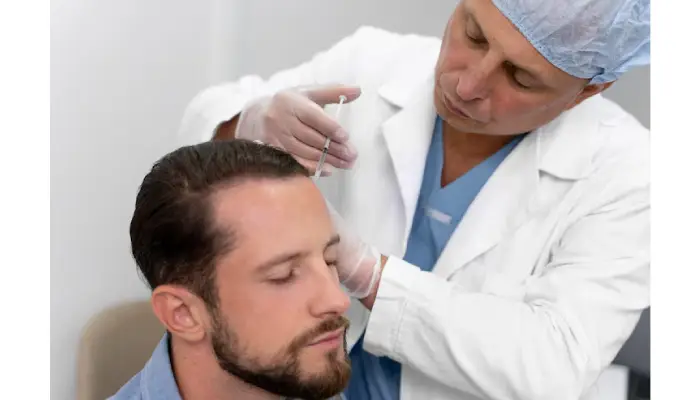
There are several types of hair transplant in Turkey procedures available today, each with its own techniques and benefits. Follicular Unit Transplantation (FUT) is one popular method. It involves removing a strip of scalp from the donor area, which is then dissected into individual follicular units for implantation.
Another widely-used technique is Follicular Unit Extraction (FUE). This minimally invasive approach extracts individual hair follicles directly from the scalp using a special tool. FUE leaves tiny scars that are less noticeable than those associated with FUT.
Direct Hair Implantation (DHI) represents an advanced form of FUE. Here, extracted hair follicles are implanted immediately without prior preparation. This can result in quicker recovery times and natural-looking outcomes.
Robotic-assisted transplantation technology has emerged as a cutting-edge option. These systems improve precision during the extraction and placement phases while reducing human error.
Understanding Thinning Hair and Its Causes
Thinning hair can stem from various factors, making it a complex issue. Genetics is often the primary culprit, with hereditary conditions like androgenetic alopecia affecting both men and women.
Hormonal changes also play a significant role. Events such as pregnancy or menopause can lead to temporary shedding, while hormonal imbalances may trigger more persistent thinning.
Stress is another major player in this game. Physical or emotional stress can shock your system, leading to conditions like telogen effluvium, where hair follicles enter a resting phase prematurely.
Nutrition shouldn’t be overlooked either. A diet lacking essential vitamins and minerals can weaken strands and stunt growth.
Environmental factors—like pollution and harsh styling products—can damage hair over time. Understanding these causes sets the stage for effective solutions tailored to individual needs.
Advantages and Disadvantages of Hair Transplantation
Hair transplantation offers several advantages that appeal to those struggling with hair loss. One key benefit is the potential for permanent results. Once the transplanted hair follicles establish themselves, they continue to grow naturally over time.
Additionally, many individuals appreciate the minimally invasive nature of modern procedures. Techniques like Follicular Unit Extraction (FUE) leave minimal scarring and allow for quicker recovery times.
However, there are downsides to consider as well. The cost can be significant, often making it an investment that not everyone can afford.
Moreover, results may vary based on individual factors such as age and genetics. Some candidates might experience complications or dissatisfaction with their new appearance if expectations aren’t realistic.
Understanding both sides is essential before making a decision on hair transplant options.
Non-Surgical Options for Hair Restoration
Non-surgical hair restoration options are gaining popularity for those hesitant about surgical procedures. These methods can offer effective solutions to thinning hair without the need for scalp surgery.
One popular choice is topical minoxidil, a solution applied directly to the scalp. It stimulates hair follicles and can promote growth over time. Many users appreciate its ease of use as part of their daily routine.
Another option is low-level laser therapy (LLLT). This non-invasive treatment uses light energy to stimulate hair follicles, enhancing blood flow and promoting healthier growth cycles. Sessions can typically be done in clinics or at home with handheld devices.
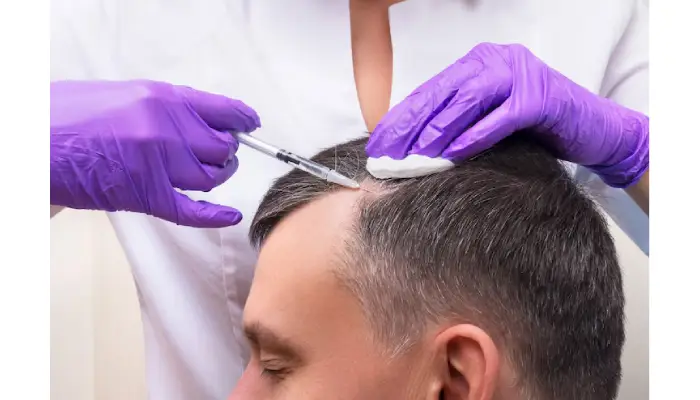
Platelet-rich plasma (PRP) therapy involves drawing a small amount of your blood, processing it, and injecting the concentrated platelets into your scalp. This boosts healing and encourages new hair growth naturally.
Each method has unique benefits that cater to different needs and preferences in addressing thinning hair issues.
Lifestyle Changes to Promote Healthy Hair Growth
To promote healthy hair growth, start with a balanced diet. Incorporate plenty of fruits and vegetables, rich in vitamins and minerals. Foods high in protein, like fish, nuts, and legumes, can strengthen your hair from the inside out.
Stay hydrated by drinking enough water throughout the day. Dehydration can lead to brittle strands that are more prone to breakage.
Incorporating regular exercise into your routine boosts circulation. Improved blood flow helps deliver essential nutrients to your scalp.
Minimize stress through mindfulness practices such as yoga or meditation. Stress is known to contribute significantly to hair loss issues.
Ensure you get adequate sleep each night; quality rest plays a crucial role in overall health and well-being, including hair vitality.
The Importance of Consulting a Professional
When considering hair transplant options, seeking professional advice is crucial. A qualified specialist provides insights tailored to your specific needs.
They can assess the extent of your hair loss and recommend suitable procedures. Each individual’s situation is unique; what works for one may not work for another.
Moreover, a professional will explain the risks involved with various methods and help you set realistic expectations. This transparency fosters trust and reassurance throughout the process.
Consulting an expert also allows you to explore non-surgical alternatives that might be better suited to your lifestyle or budget. They can guide you through these choices effectively.
In addition, professionals stay updated on advancements in techniques and technology, ensuring that you receive modern care based on current best practices. Taking this step helps ensure a successful outcome while prioritizing your overall health during treatment decisions.
Conclusion
Thinning hair can be a source of concern for many people. Understanding the causes is crucial in addressing the issue effectively. Whether it’s genetics, hormonal changes, or lifestyle factors, identifying the root cause helps tailor the right solution.
When considering a hair transplant, various procedures are available. Follicular Unit Extraction (FUE) and Follicular Unit Transplantation (FUT) are two popular options. Each method has its unique benefits tailored to individual needs.
However, it’s essential to weigh the advantages against potential drawbacks when opting for surgical solutions. Hair transplants can offer lasting results but may come with recovery time and costs that not everyone is prepared for.
For those hesitant about surgery, numerous non-surgical options exist as well. Treatments like PRP therapy or topical minoxidil could stimulate growth without an invasive approach.
In addition to treatments, certain lifestyle adjustments promote healthy hair growth too. A balanced diet rich in vitamins and minerals can make a notable difference over time.
Consulting with a professional is vital before making any decisions regarding your hair restoration journey. They can provide personalized recommendations based on your specific condition and goals.
Exploring both surgical and non-surgical avenues offers hope for those struggling with thinning hair.

James Scott was born in Missouri and studied at the University of Central Missouri. Currently working as Manager at ActoutLoud, James Scott helps readers learn the fields of Law, Marketing, Construction, Education, Health, etc hone their skills, and find their unique voice so they can stand out from the crowd.
How to Cite This Article
James Scott. "Hair Transplantation and Restoration Options for Thinning Hair." Act Out Loud, June 17, 2025. https://actoutloud.org/hair-transplantation-and-restoration-options-for-thinning-hair/