Export Spices from India: Shipping and Packaging Tips
India leads in spices like black pepper and cardamom, emphasizing proper packaging, handling, and shipping to meet global standards and ensure quality in export markets.
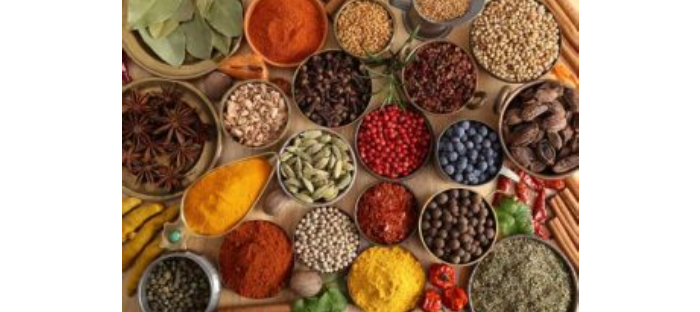
India leads the world in spice production, exporting major varieties like black pepper, cardamom, turmeric, and chili to global markets including the USA and EU. Exporters must focus on proper packaging to keep spices fresh and safe, using clean, moisture-proof materials such as polythene laminated gunny bags is essential. Each spice requires specific handling; for example, black pepper needs drying below 13% moisture content and storage on pallets away from walls. Shipping choices depend on cost and urgency: sea freight suits bulk loads while air freight fits urgent shipments but costs more. Following strict food safety regulations and maintaining good documentation helps avoid customs delays and keeps product quality intact during transit.
Overview of India’s Spice Export Market
India dominates the global spice market, producing over 70% of the world’s spices and holding the largest share in spice exports. Export spices from India are expected to grow steadily, reaching a valuation of around INR 2,00,000 crore by 2030 with an annual growth rate close to 10%. Major spices such as black pepper, cardamom, chili, ginger, turmeric, coriander, cumin, and others form the backbone of this export sector. India’s spices reach diverse markets worldwide, with the United States, United Arab Emirates, Saudi Arabia, Germany, Bangladesh, Sri Lanka, Poland, and various European Union countries among the top destinations. Despite its dominance, India faces competition from countries like Vietnam, Brazil, Sri Lanka, Indonesia, and China, especially in select spice categories. The sector’s strength lies in a robust network of farmers, processors, exporters, and government support systems that emphasize quality control and compliance with international standards. Seasonal fluctuations in export volumes reflect crop cycles and changing global demand. Increasingly, value addition through processing and certification helps meet varied market needs. Advances in technology and improved infrastructure continue to enhance export efficiency and maintain India’s edge in the competitive global spice trade.

Essential Documents for Spice Export Compliance
Exporting spices from India demands strict adherence to regulatory requirements, supported by a comprehensive set of documents. The Commercial Invoice is a fundamental document that details the transaction between the exporter and buyer, serving as a proof of sale and basis for customs valuation. Alongside it, the Packing List provides a detailed description of the shipment contents, including weights and packaging specifics, aiding customs inspection and inventory management. The Bill of Lading or Airway Bill acts as evidence of shipment and a contract with the carrier, essential for logistics and cargo claims.
To establish the origin of the spices, the Certificate of Origin confirms that the products are sourced from India, which is crucial for tariff benefits and compliance with trade agreements. Depending on the spice type and destination country, an Export License may be required to legally authorize the shipment. Health and safety compliance is verified through the Phytosanitary Certificate, ensuring that spices meet the plant health standards of the importing country, preventing the spread of pests and diseases.
Quality assurance is supported by certificates issued by authorized agencies, confirming that the spices comply with prescribed quality standards, free from contamination and pesticide residues. An Insurance Certificate is necessary to cover potential risks such as loss or damage during transit, providing financial security to exporters and buyers.
Financial transactions are secured using a Letter of Credit or other payment guarantee documents, which safeguard both parties in international trade. Accurate Customs Declaration filing is critical to avoid clearance delays and penalties. Exporters must also hold an Import Export Code (IEC) registration, mandatory for all Indian exporters, alongside a Spice Registration Certificate issued by the Spices Board of India, which establishes eligibility to export spices.
Compliance with foreign exchange regulations requires an Authorized Dealer Code, ensuring legal handling of foreign currency transactions. Food safety is reinforced by the FSSAI Food License, confirming adherence to Indian food safety laws. For shipments to the USA and certain other countries, FDA Food Labeling compliance is mandatory to meet specific labeling and packaging standards.
General Packaging Guidelines for Exported Spices
When exporting spices from India, using new, clean, and dry packaging materials is critical to prevent contamination and preserve quality. Packaging should effectively protect the spices from moisture, insects, dust, and physical damage throughout transit. Polythene laminated gunny bags or multi-layered materials with moisture barrier properties are preferred choices, as they ensure durability and maintain freshness. Inside the outer packaging, moisture-proof liners such as polyethylene films are often used to further safeguard the spice from humidity and external elements. Proper sealing of packages is essential to avoid moisture ingress and pest infestation. Labels must clearly display key information including product name, country of origin, batch number, net weight, and expiry or best-before date, complying with the food safety and labeling regulations of the importing country. Packaging sizes should be selected to meet buyer requirements and facilitate convenient handling, storage, and transportation. It is important to avoid reused or inferior materials that can degrade spice quality or cause contamination. When storing packed spices before shipping, stack bags on wooden pallets or dunnage, keeping them at least 30 to 60 centimeters away from walls to minimize moisture damage and pest risks. Following these guidelines helps maintain the integrity and market value of Indian spices in global trade.
- Use new, clean, dry packaging materials to avoid contamination.
- Packaging must protect spices from moisture, insects, dust, and physical damage during transit.
- Polythene laminated gunny bags or multi-layered moisture barrier materials are preferred for durability and freshness.
- Ensure packaging complies with the food safety and labeling regulations of the importing country.
- Include clear labeling with product name, origin, batch number, net weight, and expiry or best-before date.
- Use moisture-proof inner liners such as polyethylene films to maintain spice quality.
- Packaging sizes should suit buyer and transport needs, facilitating easy handling and storage.
- Sealing must be secure to prevent moisture ingress and pest entry.
- Avoid reused or inferior packaging materials that could degrade product quality.
- Stack packed bags on wooden pallets or dunnage, keeping them at least 30 to 60 cm from walls to reduce moisture damage.
Packaging Tips for Black Pepper and Cardamom
For black pepper, ensure harvesting only fully ripe berries to secure the best quality and longer shelf life. Thresh the pepper on clean cement or concrete surfaces to avoid contamination, and avoid using traditional materials like old gunny bags or cow dung smeared trays, which can harbor dirt and microbes. After harvest, dipping green pepper in boiling water for one minute helps improve color and reduce microbial load. Dry the pepper thoroughly to a moisture content of 13% or less before packing. Use new, clean gunny bags treated against infestation, and line them with polythene whenever possible to protect against moisture. When storing, keep the bags on wooden pallets and maintain a space of at least 30 centimeters from walls to prevent moisture damage. For cardamom, harvest the capsules just before full ripeness to retain their green color and aroma. Wash the capsules before drying, and cure them using controlled methods at around 45°C with 55-65% relative humidity to preserve quality. After drying, pack cardamom in jute bags lined with 100 gauge Low-Density Polyethylene (LDPE) films to safeguard against moisture ingress. Avoid contamination and pesticide residues banned in importing countries to ensure compliance and maintain export standards.
Packaging Tips for Chillies and Dried Ginger
Harvest chillies only when they are fully ripe to ensure the best color and pungency. Dry them in thin layers spread out on clean cement floors or mats to allow even drying and prevent contamination from dust or animal waste. It is important to keep the moisture content of dried chillies below 15 percent to avoid spoilage during storage. Once dried, pack chillies in clean gunny bags or bags lined with polythene to protect them from moisture and pests. When stacking these bags, use dunnage and keep the stacks at least 50 to 60 centimeters away from walls to promote airflow and reduce moisture buildup. Selling chillies soon after drying is ideal; if storage is necessary, cold storage can preserve quality for up to 8 to 10 months.
For dried ginger, careful harvesting is key to avoid bruises that can affect quality. Thorough washing is essential to remove soil and impurities. Peel the ginger gently to avoid damaging the oleoresin-rich cells that give ginger its flavor and aroma. Dry the peeled ginger on clean bamboo mats or cement floors until moisture content falls between 8 and 10 percent. Pack dried ginger in polythene-laminated gunny bags to protect against moisture and insects. Store these bags in dry, well-ventilated areas, maintaining proper spacing from walls for air circulation. Avoid direct insecticide use; instead, fumigate under expert guidance if needed. Periodic exposure of stored ginger to sunlight can help maintain its quality and prevent deterioration.
Packaging Tips for Cumin, Fennel, and Turmeric
For cumin and fennel, it is important to harvest seeds only when fully matured to lock in flavor and extend shelf life. After harvesting, drying should be done on clean, cemented yards or surfaces to avoid contamination from dirt or foreign matter. Avoid the use of artificial coloring agents, as these can violate export quality standards and harm the product’s natural appeal. When packing, use new, clean bags lined with polythene films to protect the seeds from moisture and pests. Storage should be done with proper dunnage, keeping bags at least 50 to 60 centimeters away from walls to reduce moisture buildup. Periodic fumigation under expert supervision is recommended to control pests without affecting the quality. For turmeric, harvest fully mature rhizomes and wash them thoroughly before any processing. Cooking the rhizomes evenly before drying is essential to deactivate enzymes that could degrade color and flavor. Dry turmeric on clean cemented yards, turning the rhizomes occasionally over 10 to 15 days to ensure consistent drying and color stability. Avoid exposure to rain during this period to maintain the bright yellow hue. Polishing should be done manually or mechanically without using artificial colors, preserving turmeric’s natural appearance. Finally, pack turmeric in polythene laminated gunny bags for moisture protection, and store with dunnage and sufficient spacing from walls to avoid dampness. These careful steps help maintain the quality and marketability of cumin, fennel, and turmeric for export markets.
Choosing the Right Shipping Method for Spices
Selecting the appropriate shipping method for exporting spices from India depends largely on shipment size, urgency, and cost considerations. Sea freight remains the most cost-effective option for large volume shipments, though it involves longer transit times and requires careful planning to maintain quality. For example, bulk shipments of turmeric or cumin often use sea freight to balance cost and volume. Air freight suits urgent or smaller shipments, offering faster delivery but at a significantly higher cost, making it ideal for high-value spices like saffron or oleoresins when speed is paramount. Courier services are generally reserved for samples or very small consignments that need quick delivery, such as quality testing samples sent to overseas buyers. Regardless of the shipping mode, packaging must be sturdy enough to withstand handling, stacking, and environmental variations during transit. Controlling moisture and temperature is crucial, especially since spices are sensitive to humidity and heat, which can degrade flavor and cause spoilage. Collaborating with freight forwarders experienced in spice exports can ease the shipping process, ensuring proper handling and timely deliveries. Similarly, customs brokers help navigate complex documentation, reducing clearance delays. Exporters should verify all shipment documents before dispatch to avoid customs issues. Clear labeling with instructions like “Keep Dry” or “Fragile” guides handlers to treat shipments properly. Finally, adequate insurance coverage protects against potential losses, damage, or delays, providing peace of mind throughout the shipping journey.
Handling and Storage Practices to Maintain Quality
Maintaining hygiene throughout harvesting, processing, packing, and storage is essential to prevent contamination of spices. Using clean, cemented or concrete floors during drying and processing helps reduce dust and microbial presence. Workers should follow strict personal hygiene protocols to avoid contamination from human sources. Controlling moisture content is critical: too much moisture can lead to fungal growth, aflatoxins, and spoilage, so spices must be dried to optimal moisture levels before storage. Spices should be stored in well-ventilated, rodent-proof, and moisture-free warehouses to preserve quality over time. Proper stacking on wooden pallets or dunnage prevents moisture absorption from floors, and maintaining a 30 to 60 cm gap from walls reduces moisture ingress and mold growth. Periodic fumigation and pest control, conducted under expert supervision, keep pests away without compromising spice quality. Additionally, exposing stored spices to sunlight at intervals helps lower microbial levels and keeps the spices fresh. Regular quality testing and certification at authorized laboratories ensure that exported spices meet international standards, safeguarding both quality and reputation.
Working with Freight Forwarders and Customs Brokers
Selecting freight forwarders who have experience handling spice shipments is crucial for smooth logistics. Spices require specific care in packaging and storage to maintain quality during transit, so ensure your forwarder understands these needs. Customs brokers play a key role by preparing and submitting accurate documentation, helping avoid delays at clearance. Confirm that brokers stay updated on the latest customs regulations and import requirements of your target countries. Coordinating closely with both forwarders and brokers allows you to track shipments efficiently and address any issues quickly. Negotiate freight rates and services to find a balance between cost and delivery timelines that suits your business. Always verify that insurance coverage is in place through your freight forwarder to protect your shipment’s value against risks. Providing proper labeling and complete documentation to customs brokers will facilitate smoother clearance processes. Maintaining clear communication channels with all parties involved helps manage unexpected delays or inspections effectively. Additionally, leverage digital tracking tools offered by many forwarders to monitor your shipments in real time, giving you better control and visibility throughout the shipping process.
Government Support and Export Promotion Schemes
The Indian government plays a crucial role in supporting spice exporters through various regulatory and promotional initiatives. The Spices Board of India is the main authority responsible for regulating, promoting, and monitoring spice exports to ensure quality and compliance with international standards. Exporters must register with the Spices Board to access certification schemes, technical assistance, and financial incentives such as those offered under the Merchandise Exports from India Scheme (MEIS). This scheme provides exporters with duty credit scrips, which help reduce export costs and improve competitiveness.
Beyond financial incentives, the government invests in infrastructure development including testing laboratories, storage facilities, and quality control centers to maintain high standards in spice exports. Compliance with food safety regulations is overseen by bodies like the Food Safety and Standards Authority of India (FSSAI), which ensures that spices meet both domestic and international safety requirements. Exporters are also encouraged to participate in international trade fairs and exhibitions supported by government agencies, helping them connect with global buyers and expand market reach.
Digital export platforms such as IndiaMART, TradeIndia, and Global Trade Plaza have been promoted by the government to facilitate easy access to global markets. These platforms enable exporters to showcase their products and negotiate directly with buyers worldwide. Additionally, training and capacity-building programs are offered to improve export readiness, focusing on quality control, packaging standards, and documentation procedures.

James Scott was born in Missouri and studied at the University of Central Missouri. Currently working as Manager at ActoutLoud, James Scott helps readers learn the fields of Law, Marketing, Construction, Education, Health, etc hone their skills, and find their unique voice so they can stand out from the crowd.
How to Cite This Article
James Scott. "Export Spices from India: Shipping and Packaging Tips." Act Out Loud, June 14, 2025. https://actoutloud.org/export-spices-from-india-shipping-and-packaging-t/