Dynamic Architectural 3D Animation Services to Bring Your Designs to Life
Dynamic architectural 3D animations enhance visualization of designs, providing immersive experiences that streamline approvals and attract potential buyers.
Last Updated:
Dynamic architectural 3D animation services are revolutionizing the way we visualize architectural designs. These animations, unlike regular static images, allow viewers to experience a property in motion, enhancing comprehension of complex concepts. They create an immersive journey through spaces, showcasing flow and functionality while incorporating realistic elements like movement and lighting. From room tours to structural insights and sun studies, each animation type serves a unique purpose. The creation process involves close collaboration with clients for revisions and feedback to ensure the final product meets expectations. Ultimately, high-quality animations can speed up approvals and boost marketing efforts significantly by captivating potential buyers or investors effectively.
What Are Dynamic Architectural 3D Animation Services?
Dynamic architectural 3D animation services offer a unique way to visualize architectural designs by creating animated representations of buildings and spaces. Unlike traditional static images, these animations provide movement and depth, allowing viewers to experience the flow and functionality of a design. They simulate real-world experiences, making it easier for potential buyers and stakeholders to grasp complex concepts. By blending design elements with storytelling, these animations transform blueprints into engaging narratives that are not only easy to understand but also captivating to watch.
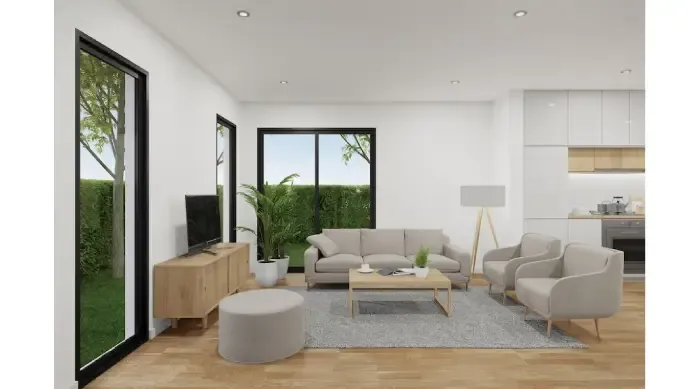
Using advanced software, these services render materials and environments realistically, offering high-definition visuals that bring projects to life. Whether it’s an interior walkthrough, a bird’s-eye view of a property, or a sun study to analyze light dynamics, dynamic animations showcase both exterior and interior spaces comprehensively. They can be tailored for various project stages, enhancing presentations, trade shows, and online platforms.
Moreover, these animations play a crucial role in facilitating communication among architects, clients, and investors. By visualizing designs that are yet to be built, they provide a glimpse into the future, making it easier for everyone involved to align their expectations and make informed decisions.

Features of Dynamic 3D Animation
Dynamic 3D animations offer a rich, immersive experience that sets them apart from traditional static visuals. One of the key features is the ability to provide a 360-degree view of projects, allowing users to explore designs from multiple angles. This not only enhances understanding but also engages viewers by making them feel like they are truly part of the space. Real-time rendering capabilities mean that feedback can be incorporated instantly, facilitating adjustments on the fly and ensuring that the final product aligns closely with the client’s vision.
High-quality textures and materials are meticulously crafted to create lifelike representations, while integrated lighting effects demonstrate how both natural and artificial light will interact with different spaces throughout the day. Sound design adds an auditory layer, enriching the overall experience and making the animation more engaging. Furthermore, landscaping elements can be included to show how outdoor spaces complement the overall design, providing a comprehensive perspective of the project.
Interactive features are another standout aspect, allowing viewers to click on various areas of interest to learn more about specific elements of the design. This interactivity can keep potential clients engaged longer, making it easier for them to visualize the project’s potential. Additionally, these animations are adaptable for various platforms, ensuring accessibility across devices, from desktops to mobile devices.
Customizability is also a significant advantage, as animations can be tailored to meet specific branding and marketing needs. Finally, dynamic animations often incorporate timelines that showcase different project phases, helping stakeholders visualize development stages and understand the design progression.
- Animations provide a 360-degree view of projects, allowing users to explore from multiple angles.
- Real-time rendering allows for instant feedback and adjustments during the animation process.
- High-quality textures and materials are used to create lifelike representations of surfaces.
- Lighting effects are integrated to showcase how natural and artificial light will interact with spaces.
- Sound design can enhance the experience, adding an auditory layer to the visual narrative.
- Animations can include landscaping elements to show how outdoor spaces complement the design.
- Interactive features allow viewers to click and explore areas of interest within the animation.
- Animations can be designed for various platforms, ensuring accessibility across devices.
- They can be customized to match specific branding and marketing needs.
- Dynamic animations often incorporate timelines to show project phases and development stages.
Types of Architectural 3D Animations
Architectural 3D animations come in various forms, each serving a unique purpose. Room Tour Animation provides a detailed walkthrough of interior spaces, allowing viewers to appreciate design elements and layouts. Structural Animation goes a step further by illustrating the construction process, showing how a building is put together and emphasizing its structural integrity. Aerial Animation captures properties from above, offering a bird’s-eye view that reveals site layouts and surrounding areas, which can be particularly useful for large developments.
Sun Study Animation is designed to analyze how sunlight interacts with different areas of a property throughout the year, helping architects plan for natural lighting. Site Integration Animation shows how a new building fits within its environment, considering factors like topography and adjacent structures, creating a context for the design. For a more immersive experience, Virtual Reality (VR) Animation allows users to explore designs interactively through VR headsets, while Augmented Reality (AR) Animation enhances real-world views with digital overlays, making designs visible in real-time.
Conceptual Animation focuses on early design ideas, showcasing potential rather than finalized details, which can be crucial for brainstorming sessions. Walkthrough Animation provides a guided tour, simulating the experience of moving through a space. Lastly, Panoramic Animation creates a wide view of a location, capturing extensive details in a single frame, allowing viewers to grasp the full scope of a project.
How 3D Animations Are Created?
Creating dynamic architectural 3D animations involves several critical steps to transform a client’s vision into a captivating visual experience. It all begins with an initial consultation where the team discusses the project scope, gathers architectural drawings, and understands the client’s design preferences. This foundational understanding guides the entire process. Next is storyboarding, which involves creating a visual outline of the animation. This helps in planning the sequences and transitions, ensuring a coherent flow.
The modeling phase comes next, where skilled artists craft detailed 3D models of buildings and environments based on the provided architectural plans. This is followed by texturing, where materials and colors are applied to the models to achieve a realistic look. Lighting setup is crucial as well, as it involves configuring light sources to replicate natural and artificial lighting conditions, enhancing the overall atmosphere of the animation.
Once the models are ready, animation is added. This step includes creating camera paths and programming object interactions, bringing the static images to life. Rendering follows, which is the process of converting the 3D models and animations into 2D images. This step often demands significant computing power, especially for high-resolution outputs.
In the post-production phase, the animation is polished with effects, sound, and transitions to create a finished product that resonates with viewers. After this, a draft is presented to the client for review. Feedback is gathered, and necessary adjustments are made to ensure the final animation aligns with the client’s vision. Finally, the completed animation is delivered in various formats, making it suitable for presentations or marketing campaigns.
Benefits of Using 3D Animations
Using 3D animations in architectural design offers numerous benefits that enhance both the creative process and client interactions. One key advantage is increased engagement; dynamic animations draw viewers in, making it easier to hold their attention during presentations. Additionally, these animations provide a better understanding of complex designs, allowing clients to visualize concepts that might be difficult to grasp through static images alone. This clarity is essential for effective communication among architects, clients, and stakeholders, reducing the chances of misunderstandings.
High-quality animations also serve as powerful marketing tools, enhancing promotional strategies across various media. They attract potential buyers and investors with captivating visuals, giving businesses a competitive advantage in a crowded market. The versatility of 3D animations means they can be used for a wide range of purposes, from marketing campaigns to virtual tours, showcasing different aspects of a project.
Moreover, the flexibility of 3D animations allows for quick changes based on client feedback, streamlining the design process. This adaptability not only saves time but also improves project approval rates, as clear visual representations facilitate faster decision-making. Lastly, 3D animations enhance storytelling, transforming technical details into compelling narratives that resonate with audiences, making the architectural vision come alive.
Cost Factors for 3D Animation Services
When considering 3D animation services, several cost factors come into play that can significantly influence the overall pricing. First, project complexity is a primary determinant; intricate designs usually need more time and specialized resources, leading to higher costs. The length of the animation also matters—longer videos require more labor and rendering time, which naturally increases expenses. Additionally, if you aim for high-resolution outputs, like 4K, be prepared for additional costs due to the increased processing requirements.
Revisions can also impact pricing; the more changes you request during the process, the more it can add up. The choice of software and technology used is another factor; advanced tools often come with licensing fees and necessitate skilled operators, which can elevate costs. Different animation types, such as room tours or aerial views, vary in complexity and detail, affecting their price points as well.
The experience of the studio plays a role too—established firms may charge higher fees due to their reputation and the quality of their work. Market demand can also create fluctuations in pricing, meaning costs can vary depending on the time of year or current trends. If you need a quick turnaround, expect to pay extra for expedited services. Lastly, any custom features you want, such as interactive elements or specialized sound design, will further increase the total cost, making it essential to clarify your needs upfront.
Common Questions About 3D Animation
When considering 3D animation, many clients wonder what materials are needed. Typically, architectural plans, design specifications, and any specific preferences are essential to kickstart the process. The timeline for creating an animation can vary significantly; it can take anywhere from a week to several weeks, depending on the complexity of the project. Clients often ask if they can make changes during the animation process, and the answer is yes. Feedback is welcomed, and adjustments can be incorporated throughout the development stages.
Another common question is whether these animations are suitable for marketing campaigns. The answer is a resounding yes. Animations can be tailored for various platforms, enhancing engagement and drawing in potential clients. Studios often use industry-standard software like 3ds Max, Maya, or Blender to create high-quality animations. To ensure your vision comes to life, regular communication is key. This allows for a collaborative approach, ensuring that the final product aligns with your expectations.
It’s also worth noting that 3D animation isn’t just for new projects; it can be applied to renovations and existing properties too. If you’re curious about the studio’s capabilities, most will have portfolios or demo reels available for potential clients to review. Many people confuse 3D rendering with animation; rendering is about creating still images, while animation involves bringing those images to life with movement.
Lastly, if you need voiceover services, many studios offer this as part of their animation package, tailored to meet client needs.
Frequently Asked Questions
1. What is dynamic architectural 3D animation?
Dynamic architectural 3D animation is a visual technique that creates moving images of buildings and spaces. It helps showcase designs in a realistic and engaging way, allowing viewers to see how a space will look and feel.
2. How does 3D animation help in architecture?
3D animation helps architects and designers present their ideas more clearly. It allows clients to visualize projects before they are built, making it easier to understand layouts, materials, and lighting.
3. What software is used for creating 3D animations?
Various software programs can be used for creating 3D animations, including tools like Blender, 3ds Max, and Autodesk Maya. These programs help in modeling, rendering, and animating architectural designs.
4. Can 3D animations show different times of day or weather?
Yes, 3D animations can simulate different times of day and weather conditions. By adjusting lighting and atmospheric effects, creators can show how a design looks in the morning, afternoon, evening, or even during rain or snow.
5. Who typically uses dynamic architectural 3D animation?
Dynamic architectural 3D animation is commonly used by architects, builders, real estate developers, and interior designers. It aids in marketing and presentations to clients, investors, and stakeholders.
TL;DR Dynamic architectural 3D animation services transform static designs into engaging visual experiences, aiding in project approvals and marketing. Key features include immersive walkthroughs, high-definition visuals, and various animation types like room tours and aerial views. The creation process involves consultation, development, and client feedback. Benefits include increased approval rates, faster sales, and enhanced marketing strategies. Cost varies based on complexity and resolution. Common queries address materials, timelines, and suitability for marketing.
Resource URL:
https://en.wikipedia.org/wiki/Architectural_animation

James Scott was born in Missouri and studied at the University of Central Missouri. Currently working as Manager at ActoutLoud, James Scott helps readers learn the fields of Law, Marketing, Construction, Education, Health, etc hone their skills, and find their unique voice so they can stand out from the crowd.
How to Cite This Article
James Scott. "Dynamic Architectural 3D Animation Services to Bring Your Designs to Life." Act Out Loud, April 30, 2025. https://actoutloud.org/dynamic-architectural-3d-animation-services-to-bring-your-designs-to-life/