Crystal Door Knobs vs Glass: What’s the Difference?
Last Updated:
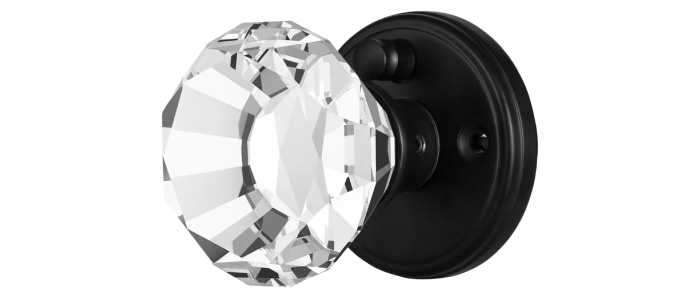
When it comes to choosing between crystal and glass door knobs, understanding their differences can help make the decision easier. Crystal door knobs, made from leaded glass, offer more brilliance due to their higher lead content and intricate cuts that catch light beautifully. These knobs gained popularity during the Victorian era, symbolizing luxury. In contrast, glass door knobs are typically made from soda-lime glass, which is lighter and less costly but lacks some of the dazzling qualities of crystal. While crystal knobs are generally sturdier but prone to chipping upon impact, glass options provide a variety of design choices albeit with lower durability.
1. Definition and Composition of Crystal and Glass Knobs
Crystal door knobs are primarily made from leaded glass, which contains a higher lead content. This composition leads to a greater refractive index, allowing crystal knobs to sparkle and shine with a brilliance that catches the eye. Often, these knobs are intricately cut, enhancing their decorative appeal and making them a popular choice for more opulent settings. In contrast, glass door knobs are usually crafted from soda-lime glass, which is lighter and more affordable. This type of glass is more common for everyday use, as it can be mass-produced easily, resulting in a wide variety of designs and finishes, including clear, frosted, and colored options. While glass knobs may lack the same level of brilliance as crystal, their versatility allows for many design choices. The weight difference between crystal and glass also impacts the feel when in use; crystal knobs tend to feel more substantial and luxurious, while glass knobs are lighter and easier to handle. Understanding these differences in composition is crucial for selecting the right knob for various settings, whether aiming for elegance or practicality.
- Crystal knobs are made from leaded glass, which gives them a higher refractive index for more brilliance.
- Glass knobs are usually made from soda-lime glass, making them lighter and less expensive than crystal.
- Leaded glass in crystal knobs is known for its clarity and light reflection properties.
- Soda-lime glass is more common for everyday use due to its lower production cost.
- Crystal knobs often feature elaborate cuts that enhance their decorative appeal.
- Glass knobs can come in various finishes, including clear, frosted, and colored options.
- The composition of the crystal allows for intricate designs that can catch the eye.
- Glass knobs can be mass-produced easily, leading to a wider variety of designs available.
- The weight difference between crystal and glass affects the feel when used on doors.
- Understanding the composition helps in selecting the right knob for different settings.
2. Historical Background of Door Knobs
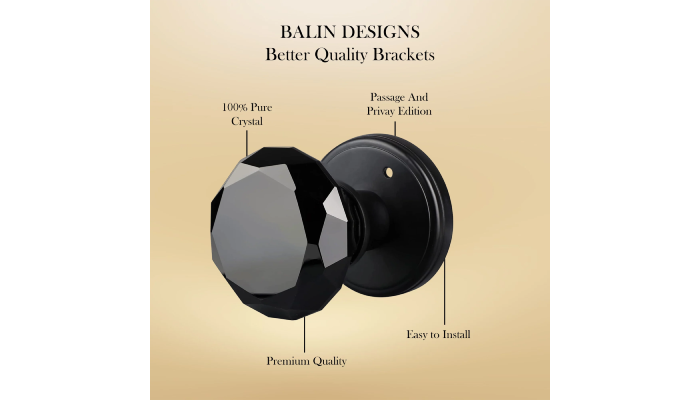
Crystal door knobs emerged as a symbol of luxury during the Victorian era, which spanned from 1837 to 1901. They were often intricately designed and showcased the craftsmanship of the time, making them a staple in upscale homes. In contrast, glass door knobs gained traction in the early 1800s, particularly during periods of metal shortages, which made glass an attractive alternative. Initially, glass knobs were simple in design, but as production techniques improved, they evolved to include various shapes and colors. The rise of mass production made glass knobs accessible to a broader audience, allowing many to incorporate them into their homes. Crystal knobs remain popular in historical restorations and antique collections, valued for their elegance and the artistry involved in their creation. Different regions developed unique styles, reflecting local preferences and the materials available. Understanding the history of these door knobs enriches our appreciation for the diverse design choices we have today.
3. Aesthetic Appeal: Crystal vs Glass
Crystal knobs are often seen as symbols of luxury and opulence, making them a popular choice for formal settings. Their intricate cuts reflect light beautifully, creating a stunning visual effect that can elevate the decor of any room. For instance, in a classic dining room, crystal knobs can serve as eye-catching statement pieces that complement elegant furnishings.
On the other hand, glass knobs bring versatility to the table. Available in clear, frosted, and colorful designs, they fit a wide range of decor styles, from modern minimalist to vintage charm. A bright, colored glass knob can add a playful touch to a simple cabinet, while a frosted version can create a subtle, understated look in a contemporary bathroom.
Both types of knobs can significantly change the visual impact of a door and its surrounding decor. Different shapes and sizes can create unique looks for individual spaces, allowing homeowners to express their personal tastes. Whether you choose crystal for its grandeur or glass for its adaptability, the right knob style can enhance or contrast beautifully with other hardware choices in your home.
4. Comparing Durability of Both Types
When considering durability, crystal knobs generally have the upper hand. Their heavier and denser composition, thanks to leaded glass, makes them more robust overall. However, they can chip if dropped or mishandled, so care is essential. On the other hand, glass knobs tend to be lighter, making them more vulnerable to breakage. While they can be manufactured to be quite sturdy, especially in simpler designs, delicate styles may not hold up well to rough handling. Crystal knobs may show wear over time, but with the right care, their beauty can last. The craftsmanship quality in both types also plays a significant role in durability. For example, a well-made glass knob may withstand everyday use better than a poorly crafted crystal knob. In terms of repairability, glass knobs often have the advantage, as they can be replaced or fixed more easily if damaged. Ultimately, the choice between durability and aesthetics depends on where you plan to use these knobs and how much wear and tear they will face in their environment.
5. Functionality of Crystal and Glass Knobs
Both crystal and glass knobs serve important roles in interior design, adding both functionality and style to doors. Crystal knobs often shine in decorative settings, ideal for spaces that call for elegance, such as dining rooms or formal areas. They can also provide privacy features, making them suitable for bedrooms and bathrooms. On the other hand, glass knobs are generally more practical and versatile. They might come with locking mechanisms, which can enhance security for rooms like offices or storage areas.
When considering functionality, ease of use is crucial. The ergonomic design affects how comfortable a knob is to grip and turn. Some crystal knobs may feature intricate designs that, while visually appealing, might not offer the best grip. In contrast, glass knobs can come in various shapes and designs that prioritize functionality, ensuring an easier experience when opening or closing doors.
The choice between these two types should also reflect the intended use. For example, in a high-traffic area, a sturdy glass knob might be a better fit, while a crystal knob could elevate the look of a more private space. Ultimately, the right selection aligns functionality with design, creating a harmonious atmosphere throughout the home.
6. Maintenance Tips for Door Knobs
Maintaining crystal and glass door knobs is essential for keeping them looking their best. For crystal knobs, use a soft cloth with mild soap and water to clean them gently; this avoids scratching their delicate surfaces. It’s important to steer clear of abrasive cleaners or materials for both types, as they can damage the finish. If you have glass knobs with textures or frosted finishes, take extra care to clean them with soft materials to preserve their appearance. Regular cleaning helps prevent buildup that can dull the knobs over time.
Additionally, it’s wise to check both types of knobs for loose screws or fittings regularly; this ensures they function properly and securely. After cleaning, use a soft cloth to dry glass knobs to prevent water spots. Crystal knobs may benefit from occasional polishing to enhance their shine. If glass knobs become damaged due to wear and tear, they can be easily replaced, making them a practical choice. Understanding and following these maintenance tips can significantly prolong the life of your door knobs and keep them looking new.
7. Cost Comparison: Crystal vs Glass
Crystal door knobs are usually pricier than glass knobs, a reflection of their materials and the intricate craftsmanship involved. Prices for crystal knobs can vary greatly depending on their design complexity and brand, making them a more significant investment for your home decor. On the other hand, glass knobs are more budget-friendly, often produced in larger quantities, which allows for a wider range of price points. Higher-end crystal knobs might be seen as an investment, offering both beauty and longevity. It is important to consider not just the initial purchase price but also the potential long-term costs associated with quality and durability. While crystal knobs may have a higher upfront cost, their durability can lead to savings over time, as they may require less frequent replacement. Additionally, installation costs can differ based on the complexity of the knob type, which is another factor to keep in mind. Promotions and sales can also influence pricing for both options, providing opportunities for savings, especially if you are working within budget constraints.
8. Installation Process for Both Knob Types
Installing crystal and glass door knobs is generally straightforward if you have the right tools. Clear instructions usually accompany both types, making it possible for DIY enthusiasts to tackle the job. However, attention to detail is essential, especially in older homes that may have unique hardware requirements. It’s important to match the correct hardware for a seamless installation process. Before you start, check the door alignment; this can help prevent issues down the line. While crystal knobs add a touch of elegance, they require extra caution during installation to avoid chipping or breaking. Glass knobs, being lighter, also need careful handling to ensure they are securely attached. Using a level during installation will help position the knobs correctly. For complex or antique knobs, professional installation might be necessary to ensure a proper fit. Understanding the installation process can boost your confidence in choosing the right knob for your home.
9. Current Trends in Door Knob Choices
Crystal door knobs are making a strong comeback in traditional renovations, often featured in restored homes where elegance and nostalgia are key. Their intricate designs reflect a sense of history and luxury that many homeowners are drawn to. On the other hand, glass knobs are becoming the go-to choice for contemporary designs. Their clean lines and variety of options, from clear to colorful and patterned, resonate well with modern aesthetics, adding a fresh, stylish touch to new constructions.
A notable trend is the rise of colorful and patterned glass knobs, which allow homeowners to infuse character into their spaces. Mixing materials is also in vogue, with combinations of metal and glass or crystal creating unique hardware that stands out. Vintage or reclaimed knobs are highly sought after for their distinct charm and uniqueness, appealing to those who appreciate a story behind their fixtures.
For modern interiors, minimalist designs are preferred, focusing on simplicity and functionality. Additionally, smart door knobs with technology integration are gaining traction, satisfying the needs of tech-savvy homeowners. The growing emphasis on sustainability is influencing many to choose eco-friendly materials, reflecting a broader commitment to environmental responsibility. Being aware of these trends can inspire homeowners, helping them select door knobs that not only serve a functional purpose but also enhance their home’s overall design.
10. Safety Considerations for Door Knobs
When choosing between crystal and glass door knobs, safety should be a key factor. Crystal knobs, while beautiful, can act like magnifying glasses, focusing sunlight in a way that could potentially start a fire. To reduce this risk, consider placing them away from direct sunlight or using them in areas where sun exposure is minimal. On the other hand, glass knobs are generally safe but can break if dropped, so they should be handled with care. In high-traffic areas, opting for more robust designs can enhance safety, ensuring they withstand daily wear and tear. Regularly inspecting your knobs for any signs of loosening or damage can prevent accidents. Understanding the safety features of different designs helps in making informed choices. Installing knobs with rounded edges can lessen the chance of injury, especially in homes with children. Overall, being aware of the potential hazards associated with these materials is crucial for family safety.
Frequently Asked Questions
1. What are the main differences between crystal door knobs and glass door knobs?
Crystal door knobs are typically made of cut glass that reflects light beautifully, giving them a sparkling look, while glass door knobs may be plain or colored and can vary in their clarity and design.
2. Are crystal door knobs more durable than glass door knobs?
In general, both crystal and glass door knobs can be durable, but crystal door knobs are often designed to be sturdier, especially if they have metal bases that provide extra support.
3. Can I use crystal door knobs and glass door knobs on the same door?
It’s certainly possible to mix and match crystal and glass door knobs on the same door, but for a cohesive look, it’s usually best to stick with one style.
4. Do crystal door knobs require special care compared to glass door knobs?
Crystal door knobs may need a bit more care to keep them clean and sparkling, while glass knobs can often be cleaned with regular glass cleaner, but both should be treated with care.
5. Are there any design benefits to choosing crystal door knobs over glass door knobs?
Crystal door knobs can add a classic, elegant touch to your decor, while glass knobs might offer a more modern or colorful option, depending on your style preference.
TL;DR Crystal door knobs are made from leaded glass and offer a luxurious look with greater brilliance due to their intricate cuts, while glass door knobs typically use soda-lime glass, providing a more affordable and versatile option. Historically, crystal knobs symbolize luxury dating back to the Victorian era, whereas glass knobs gained popularity during the early 1800s. In terms of durability, crystal knobs are heavier and less prone to wear but can chip easily, while glass knobs are lighter but more fragile. Maintenance for both requires gentle cleaning, and crystal knobs can be more expensive. The installation process is straightforward for both types, and current trends show crystal knobs are favored in traditional designs, while glass knobs suit contemporary styles. Safety-wise, crystal knobs may pose a fire risk if positioned incorrectly.

James Scott was born in Missouri and studied at the University of Central Missouri. Currently working as Manager at ActoutLoud, James Scott helps readers learn the fields of Law, Marketing, Construction, Education, Health, etc hone their skills, and find their unique voice so they can stand out from the crowd.
How to Cite This Article
James Scott. "Crystal Door Knobs vs Glass: What’s the Difference?." Act Out Loud, July 25, 2025. https://actoutloud.org/crystal-door-knobs-vs-glass-whats-the-difference/