Common Treatments Offered by Fertility Specialists in San Diego
San Diego fertility specialists offer personalized treatments like IVF, IUI, and egg donation, along with emotional support to assist individuals and couples in their journeys.
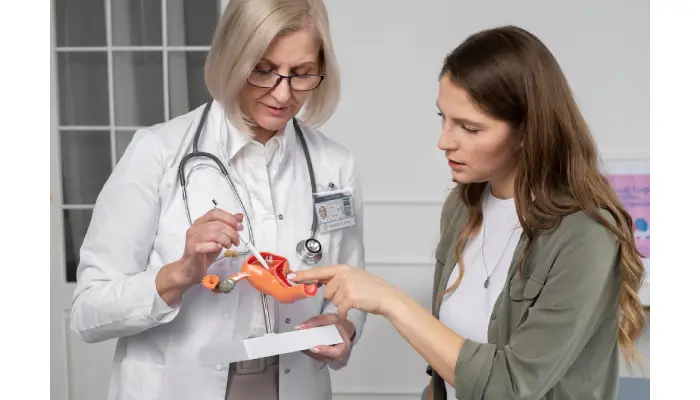
Fertility specialists in San Diego offer a variety of treatments tailored to the unique needs of individuals and couples. One popular method is In Vitro Fertilization (IVF), where eggs are collected from ovaries and fertilized with sperm in a lab, followed by embryo transfer. Intrauterine Insemination (IUI) directly places sperm into the uterus, enhancing chances for success during ovulation. Fertility medications help stimulate egg production while options like egg retrieval and freezing allow for future use. Donor egg and sperm services are also available for those facing challenges. Techniques like Intracytoplasmic Sperm Injection (ICSI) support IVF efforts, while genetic testing screens embryos for disorders, ensuring healthier outcomes. Surgical procedures can correct anatomical issues as well. Lastly, clinics often provide lifestyle counseling and emotional support, recognizing the emotional journey involved in seeking fertility assistance.
1. In Vitro Fertilization (IVF) Explained
In Vitro Fertilization (IVF) is a well-known and often sought-after fertility treatment. Fertility specialist San Diego begins with hormone medications to stimulate the ovaries to produce multiple eggs. Once the eggs are mature, they are retrieved through a minor surgical procedure. In the lab, these eggs are combined with sperm to facilitate fertilization. The resulting embryos are monitored for growth and quality before one or more are transferred into the uterus.
IVF can be particularly beneficial for couples facing various infertility issues, such as blocked fallopian tubes, endometriosis, or unexplained infertility. For instance, a couple who has been trying to conceive without success may find hope in IVF, especially if other treatments have not worked. Additionally, IVF allows for options like genetic testing of embryos, which can help screen for potential genetic disorders, providing peace of mind before pregnancy.

2. Understanding Intrauterine Insemination (IUI)
Intrauterine insemination (IUI) is a fertility treatment that involves placing specially prepared sperm directly into a woman’s uterus during her ovulation period. This method aims to increase the number of sperm that reach the fallopian tubes, thereby enhancing the chances of fertilization. The procedure is often chosen for couples facing mild fertility issues, such as irregular ovulation or unexplained infertility. It can also be suitable for single women or same-sex couples who wish to conceive using donor sperm.
The process begins with monitoring the woman’s ovulation cycle, which can involve blood tests or ultrasounds. Once ovulation is confirmed, a sample of sperm is collected, usually from a partner or a donor. The sperm is then washed and concentrated to select the healthiest specimens. This preparation is crucial, as only the best sperm will be used for the insemination.
On the day of the procedure, a thin catheter is gently inserted through the cervix into the uterus, and the prepared sperm is injected. The entire process is relatively quick, taking only a few minutes, and is often described as less invasive than other fertility treatments like IVF. After the procedure, patients may be advised to rest for a short period, though many return to their daily activities soon after.
3. Overview of Fertility Medications
Fertility medications play a crucial role in helping individuals and couples achieve their dreams of parenthood. These medications primarily aim to regulate or stimulate the ovaries to produce eggs. For instance, Clomid and Femara are often prescribed as oral medications to encourage ovulation in women who may not be producing eggs regularly. In some cases, injectable hormones may be used to foster a more robust ovarian response, increasing the chances of successful fertilization.
The use of these medications is tailored to each patient’s unique situation, often depending on factors like age, hormone levels, and specific fertility challenges. Monitoring through ultrasound and blood tests is common during treatment to ensure the right dose is being administered and to track the development of follicles. This careful management helps optimize the chances of conception, whether through natural methods or assisted reproductive techniques like IVF.
4. The Process of Egg Retrieval and Freezing
Egg retrieval and freezing, also known as oocyte cryopreservation, is a crucial step in many fertility treatments. This process allows women to preserve their eggs for future use, which can be especially beneficial for those delaying motherhood for personal or medical reasons.
The process begins with hormonal stimulation of the ovaries, using fertility medications to encourage the development of multiple follicles, each containing an egg. Monitoring through blood tests and ultrasounds helps track the growth of these follicles. Once they are ready, a procedure called transvaginal ultrasound aspiration is performed to retrieve the eggs. During this minimally invasive procedure, a thin needle is guided through the vaginal wall and into the ovaries to collect the eggs.
After retrieval, the eggs are assessed for quality and maturity. Those deemed suitable for freezing are then carefully frozen using a method called vitrification, which prevents the formation of ice crystals that can damage the eggs. This freezing process allows women to store their eggs for years, giving them the flexibility to try for a pregnancy later in life.
5. Donor Egg and Sperm Options
Donor egg and sperm services are vital options for many individuals and couples facing fertility challenges. These services provide a pathway for those who may not have viable eggs or sperm due to various reasons, such as age, medical conditions, or genetic concerns. Fertility clinics in San Diego often maintain extensive databases of egg and sperm donors, allowing patients to choose donors based on physical characteristics, ethnic background, and even educational qualifications. For example, a woman in her late 30s might opt for donor eggs to enhance her chances of conception, while a same-sex male couple may seek donor sperm to start their family. This approach not only opens doors for many but also allows for a personalized experience, helping patients feel more connected to their journey toward parenthood.
6. What is Intracytoplasmic Sperm Injection (ICSI)?
Intracytoplasmic Sperm Injection (ICSI) is a specialized form of assisted reproductive technology that plays a significant role in the IVF process. In this procedure, a single sperm is carefully injected directly into an egg. This technique is particularly beneficial for couples facing male infertility issues, such as low sperm count or poor motility. By bypassing some of the natural barriers to fertilization, ICSI increases the likelihood of successful conception.
The ICSI process begins when eggs are retrieved from the ovaries, typically after hormonal stimulation. In the laboratory, embryologists select a healthy sperm and use a fine needle to inject it into the egg’s cytoplasm. This method not only enhances fertilization rates but also allows for the selection of the best quality sperm for the procedure.
7. Importance of Genetic Testing of Embryos
Genetic testing of embryos, particularly through preimplantation genetic testing (PGT), plays a crucial role in modern fertility treatments. This process allows fertility specialists to screen embryos created via IVF for potential genetic disorders before they are implanted in the uterus. By identifying embryos with genetic anomalies, such as those linked to conditions like Down syndrome or cystic fibrosis, patients can make informed decisions about which embryos to transfer. For example, if a couple carries genes for a hereditary condition, PGT can help ensure that only healthy embryos are selected, reducing the risk of genetic diseases in their future children. This not only enhances the chances of a successful pregnancy but also alleviates some of the emotional and financial burdens associated with unsuccessful IVF cycles, making it a significant step in the journey of many individuals and couples facing fertility challenges.
8. Surgical Treatments for Fertility Issues
Surgical treatments for fertility issues can play a critical role in addressing underlying anatomical problems that may hinder conception. One common procedure is laparoscopic surgery, which allows doctors to visualize and treat conditions like endometriosis, where tissue similar to the lining of the uterus grows outside of it. This can cause pain and blockages that affect fertility. Another surgical option is the removal of fibroids, non-cancerous growths in the uterus that can interfere with implantation or cause complications during pregnancy. Additionally, surgeries can be performed to correct structural abnormalities in the reproductive organs, such as blocked fallopian tubes or abnormalities in the uterus. These procedures are often minimally invasive and can significantly improve the chances of successful conception, either on their own or when combined with other fertility treatments.
9. Lifestyle and Nutritional Counseling for Fertility
Lifestyle and nutritional counseling plays a vital role in enhancing fertility for many individuals and couples. Fertility specialists in San Diego often recommend dietary changes that can support reproductive health. For instance, incorporating foods rich in antioxidants, such as fruits and vegetables, can help improve egg quality and overall fertility. Additionally, maintaining a balanced diet with healthy fats, lean proteins, and whole grains is essential for hormonal balance.
Exercise is another key factor. Regular physical activity can help maintain a healthy weight, which is crucial for fertility. However, it’s important to strike a balance, as excessive exercise can have the opposite effect. Specialists may suggest moderate cardiovascular activities combined with strength training to optimize reproductive health.
Stress management techniques, such as yoga and mindfulness meditation, are also beneficial. High levels of stress can negatively impact fertility, so finding ways to relax can be an important part of the counseling process. Specialists often work with patients to develop personalized plans that address their unique lifestyle and nutritional needs, ensuring a comprehensive approach to improving fertility.
10. Available Support Services for Patients
Fertility treatments can be emotionally taxing, and support services play a crucial role in helping patients navigate this challenging journey. Many fertility clinics in San Diego offer psychological support and counseling to help individuals and couples cope with the stress and anxiety that often accompany fertility issues. For example, some clinics provide one-on-one therapy sessions, where patients can openly discuss their feelings and fears in a safe environment.
In addition to individual counseling, support groups are often available. These groups allow patients to connect with others facing similar struggles, fostering a sense of community and shared experience. Participants can share their stories, offer encouragement, and exchange valuable insights about their journeys.

James Scott was born in Missouri and studied at the University of Central Missouri. Currently working as Manager at ActoutLoud, James Scott helps readers learn the fields of Law, Marketing, Construction, Education, Health, etc hone their skills, and find their unique voice so they can stand out from the crowd.
How to Cite This Article
James Scott. "Common Treatments Offered by Fertility Specialists in San Diego." Act Out Loud, April 17, 2025. https://actoutloud.org/common-treatments-offered-by-fertility-specialists-in-san-diego/